
Last updated November 14, 2026
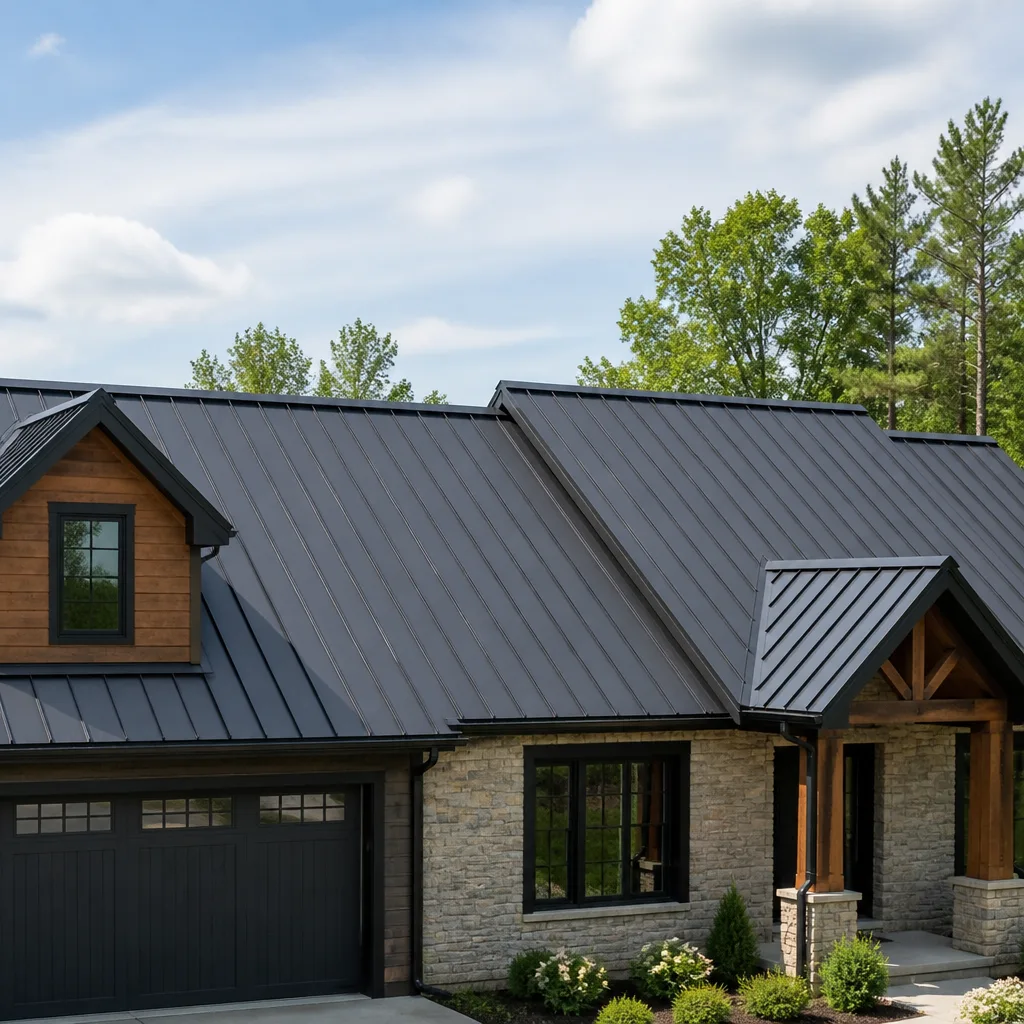 Metal roofing
 Architectural shingles
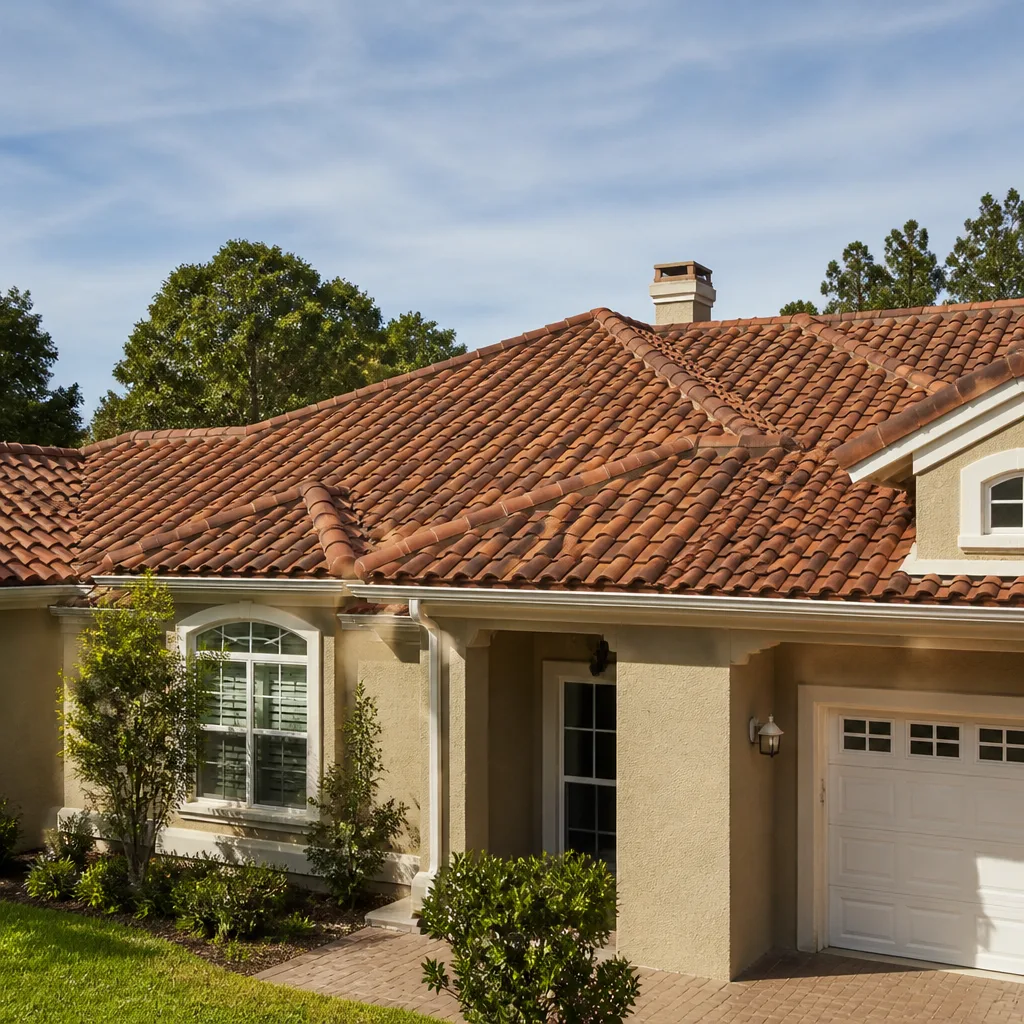 Tile roofing
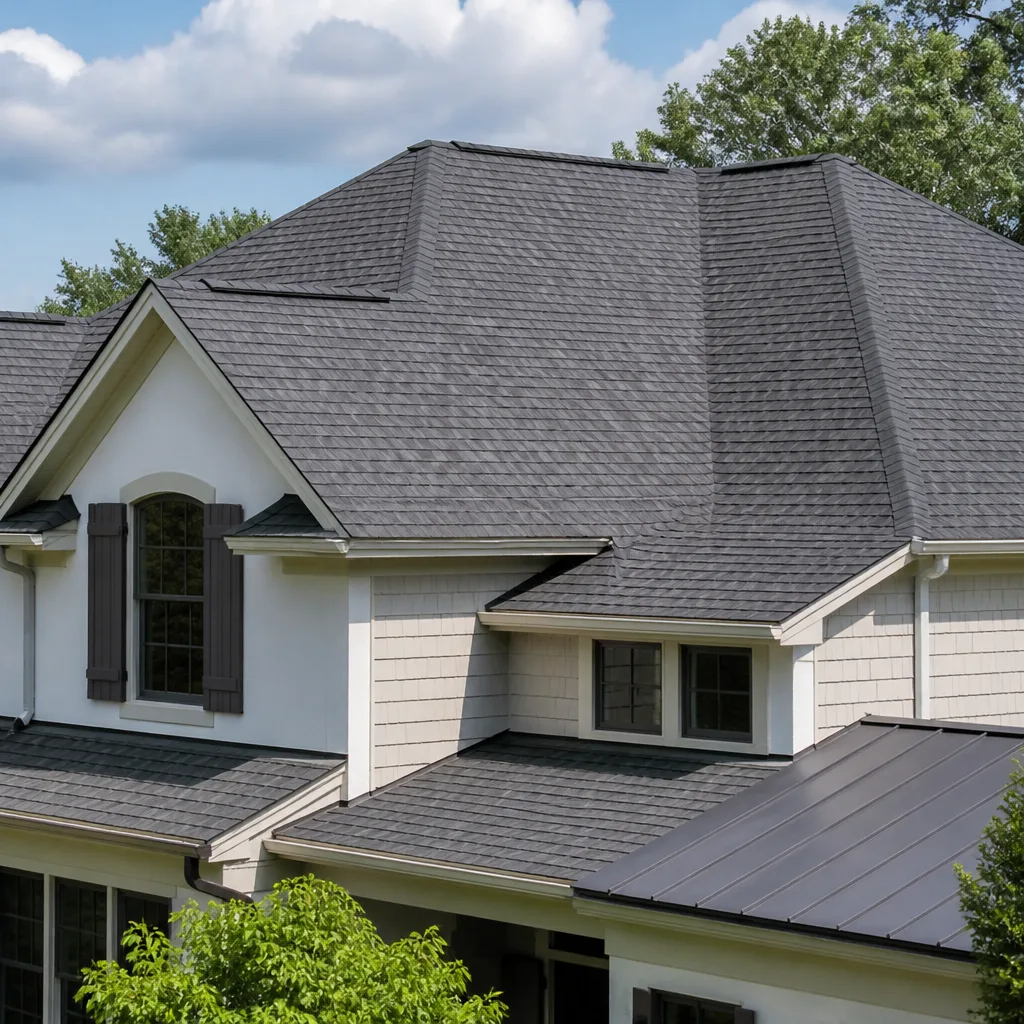 GAF
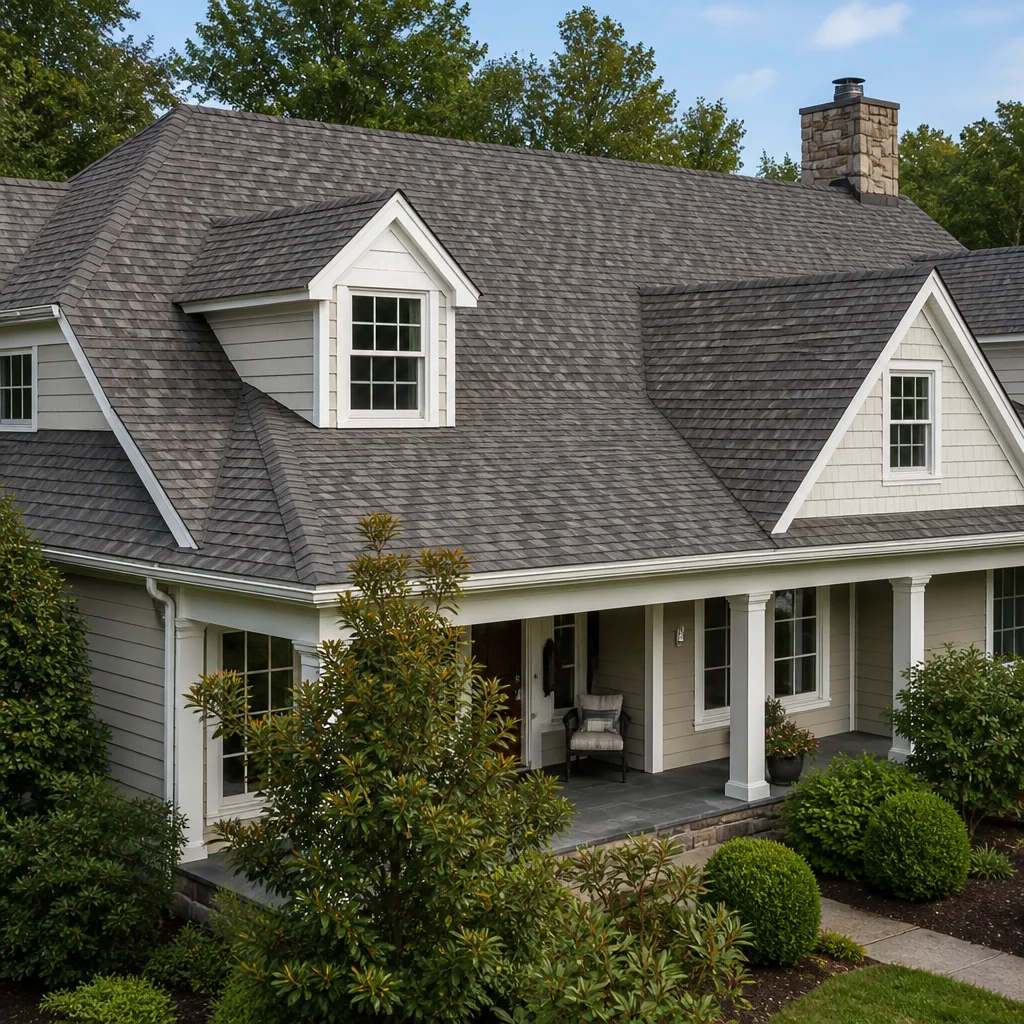 Owens Corning
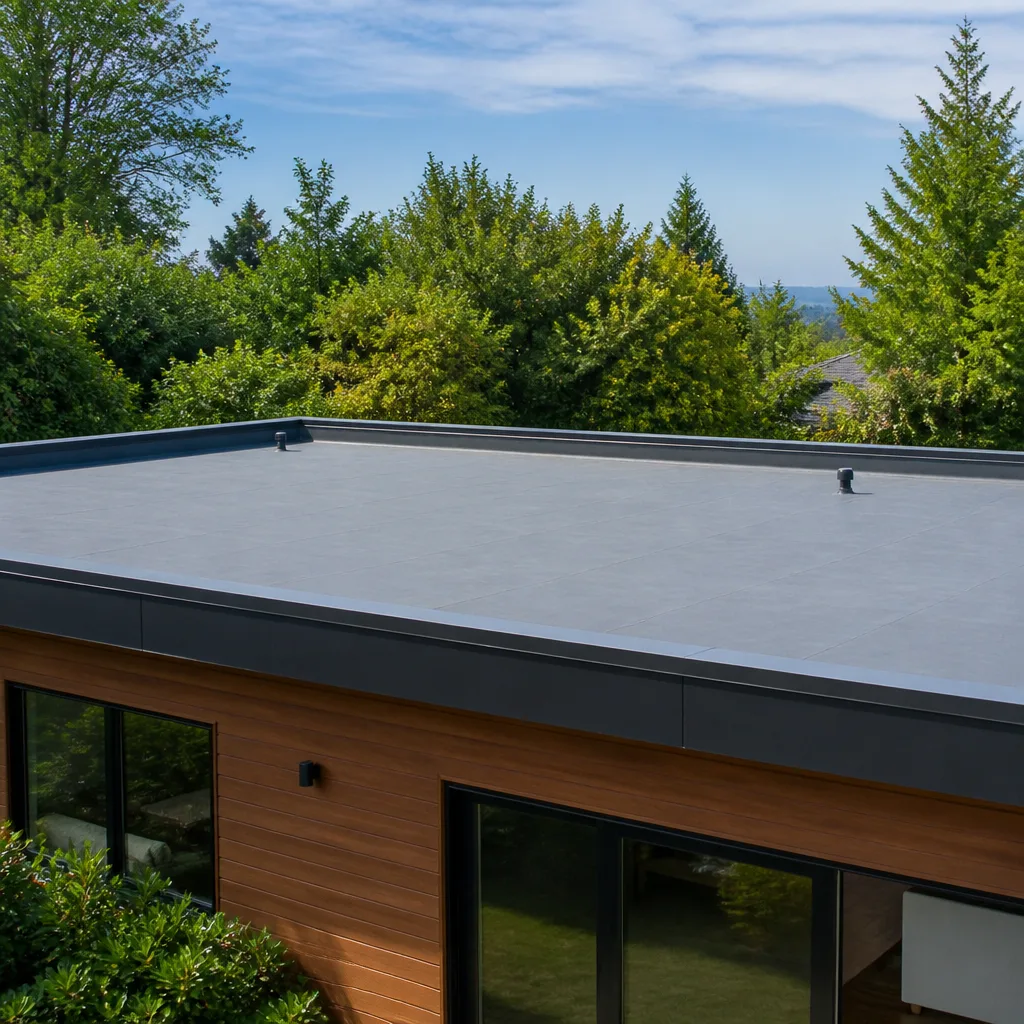 Flat & low-slope
Free roof inspection with deck photos before we talk money - GAF and Owens Corning certified installation
Roofing Permits, Codes & Inspections in Buffalo, NY: What You Need to Know
A re-roofing job on one side of a municipal line in Erie County can require a permit, while the same material installation a mile away in Clarence or Cheektowaga does not. The trigger isn’t the scope of work, it’s the jurisdiction. This guide explains how Buffalo roofing permits actually work, what city inspectors look for beyond the obvious, how unpermitted work follows you into an insurance claim or home sale, and the timeline you should plan around. We’ll also cover the New York State Energy Code provisions that quietly change the insulation scope of many re-roof jobs. Understanding the process before the first shingle comes off is what protects you from a roof that looks fine from the ground and fails under a 40-inch snow load.
Styles & brands we work with
- Architectural shingles
- Metal roofing
- Tile roofing
- GAF
- Owens Corning
- Flat & low-slope
Quick Answer
Most full roof replacements and any structural roof work in the City of Buffalo require a building permit, while minor repairs like replacing a few shingles generally do not. The permit process involves an application, plan review, scheduled inspections at specific stages, and a final sign-off. Working without one risks fines, insurance claim denials, and mandatory disclosure problems when you sell the property.
Table of Contents
- When Buffalo Requires a Roofing Permit (and When It Doesn’t)
- Buffalo vs. Surrounding Erie County Municipalities: Why the Rules Differ
- What City of Buffalo Inspectors Actually Check That Walkthroughs Miss
- The Real Timeline: Permit Approval and Inspection Scheduling in Buffalo
- Unpermitted Roofing Work: Insurance Claims and Property Sale Disclosures
- New York State Energy Code and Your Re-Roof: What Applies in Buffalo
- Step-by-Step: How to Pull a Roofing Permit in Buffalo
- What a Buffalo Roofing Permit Costs (and What It Actually Buys You)
- Common Mistakes to Avoid
- When to Call a Professional
- Frequently Asked Questions
- The Bottom Line
When Buffalo Requires a Roofing Permit (and When It Doesn’t)
The City of Buffalo draws its permit line based on what the work does to the building envelope and structure, not on how many shingles are involved. A full tear-off and replacement requires a permit because it exposes the roof deck and changes the assembly the city has on file. So does any repair that involves replacing roof sheathing, altering roof framing, changing the roof pitch, or adding a roof covering over an existing one. The city also requires a permit when the work changes the roof’s drainage pattern or adds penetrations that affect structural loading.
What typically does not require a permit in Buffalo is minor repair work: replacing a handful of damaged shingles, resealing a pipe boot, or repairing a small section of flashing where the underlying deck and structure remain untouched. The practical test most inspectors use is whether the repair is cosmetic and isolated, or whether it removes part of the roof assembly. If the answer is the second one, permit it.
One point that surprises homeowners: in Buffalo, even a re-roof that uses the same material and same layout needs a permit when it’s a full replacement. The reason is inspection access. The city wants to look at the deck before new underlayment covers it, because that is the only moment when fastener patterns, deck condition, and flashing details are visible. Once the shingles go on, those details are buried for 20 or 30 years.
- Permit required: full tear-off, deck replacement, structural repair, pitch change, overlay on existing roof, any work altering drainage.
- No permit required: isolated shingle replacement, small flashing repair, pipe boot reseal, minor valley repair where deck is sound.
- Gray zone: repairs covering more than a few square feet, or any repair touching the roof-to-wall intersection. If you are unsure, call the Buffalo Department of Permit and Inspection Services and describe the work before you start.
Buffalo vs. Surrounding Erie County Municipalities: Why the Rules Differ
New York State sets the building code, but each municipality enforces it through its own permitting ordinance. That is why a roof replacement in Clarence can follow a different administrative path than the identical job in Buffalo, even though both answer to the same state code. Cheektowaga, Amherst, Tonawanda, Lackawanna, and West Seneca each administer their own permit reviews and inspection schedules. Some require a permit for any roof work valued above a small dollar threshold. Others mirror Buffalo’s structural-versus-cosmetic distinction. The threshold is not the work, it is the address.
This matters for Buffalo homeowners for a practical reason: a contractor who works across the county may describe the process based on the last municipality they pulled a permit in, not the one where you live. Ask specifically what the City of Buffalo required on their last Buffalo job. If they hesitate or describe it vaguely, that is information.
Buffalo’s building department, the Department of Permit and Inspection Services, handles permits for all property within city limits. The department reviews applications for code compliance, issues the permit, and schedules inspections. The process is heavier than many surrounding towns because Buffalo’s housing stock is older and denser, which raises the stakes on fire separation, structural condition, and water intrusion between attached structures. What an inspector in a town of detached single-family houses may not look at twice, a Buffalo inspector is trained to check because of row houses and shared walls.
What City of Buffalo Inspectors Actually Check That Walkthroughs Miss
A standard contractor walkthrough looks at shingle condition, gutter lines, and flashing from the ground or a ladder. A Buffalo inspection goes further, and it goes in a specific order. The inspector will want to see the roof deck before underlayment goes on, which means the timing of the inspection is set by the progress of the job, not your contractor’s schedule. Here is what they are actually looking at:
Deck fastening patterns
Roof sheathing has to be fastened to a pattern specified in the code. Too few fasteners, or fasteners that miss the rafters, are a structural weakness that looks invisible once the roof is finished. An inspector will check spacing and nailing pattern while the deck is exposed. This is the single most common correction on Buffalo re-roofs, and the one a homeowner would never see after the fact.
Valley flashing gauge and installation
Buffalo gets heavy, sustained snow, and valleys are where the water concentrates during rapid melt. The gauge of metal flashing in valleys, how it is lapped, and whether it is fastened through the liner or through the shingle all matter. An inspector looks for lined valleys that direct water, not catch it. Cheap, thin flashing fails under ice load in a way that a visual inspection of finished shingles would not reveal.
Ridge vent continuity
An attic ventilation system depends on intake at the eaves and exhaust at the ridge. If the ridge vent is blocked, discontinuous, or improperly cut, the attic stops breathing. Moisture builds up, and water damage follows. The inspector checks that the ridge vent slot is cut to spec and that the vent runs continuously without gaps. This is a detail that separates a roof that lasts from one that rots from the inside.
Ice and water shield placement
Buffalo roofs need ice and water shield in specific locations: eaves, valleys, around penetrations, and in some cases the full roof deck on low-slope sections. The inspector checks the material itself and the coverage area, because this is the layer that stops meltwater from backing up under shingles. Skimping here is invisible once the shingles are on, and it is the difference between a roof that holds through a Buffalo thaw-freeze cycle and one that leaks by February.
None of these items are aesthetic. They are all structural and water-management details a homeowner cannot see after the job is done. The permit is what guarantees someone looked at them.
The Real Timeline: Permit Approval and Inspection Scheduling in Buffalo
Buffalo’s building department workload fluctuates, and homeowner expectations calibrated to a contractor’s schedule rather than the city’s calendar are the most common source of frustration. A simple re-roof permit application typically takes one to two weeks for review, sometimes faster, and the permit is issued once the review clears and the fee is paid. That is the administrative piece.
The inspection piece depends on the job. A full replacement triggers at least two inspections: one for the deck before underlayment goes on, and one final inspection after the roof is complete. More complex jobs can add a third, such as when structural repair is involved. The inspection itself is scheduled for a window, not an exact time, and the contractor needs to have the job staged so the inspector can see what they need to see. Missed windows mean rescheduling, which adds days.
What this means for planning: a Buffalo re-roof that starts the permit process before any material is ordered should realistically allow two to three weeks for the administrative side and the inspection coordination. Rushing the process is where mistakes get made. A contractor who tells you a permit will slow the job down is telling you they would rather not have someone check their work. The city’s role is not to delay the roof; it is to make sure the roof that goes on meets the code that protects the house.
Unpermitted Roofing Work: Insurance Claims and Property Sale Disclosures
An unpermitted roof carries two separate long-term risks that most homeowners only discover when it is too late to fix them easily. The first is insurance. A roof that was replaced without a permit can give an insurer grounds to deny a claim on the roof itself, especially if the claim involves water damage that the insurer argues resulted from improper installation. The insurer does not need to prove the roof was installed wrong. They need to establish that the work was done outside the permitting system that exists to verify code compliance. That is a low bar.
The second risk is the property sale. New York State property condition disclosure forms ask sellers about known work done without required permits. Answering honestly means disclosing the unpermitted roof, which gives a buyer leverage or a reason to walk. Answering dishonestly opens the seller to misrepresentation claims. Either way, the unpermitted roof becomes a problem at exactly the moment you want the house to be an asset. Some buyers’ lenders will also flag a roof replaced without a permit during the appraisal or underwriting process, and that can stall or kill the financing.
Pulling the permit after the fact is sometimes possible but is neither cheap nor automatic. The city may require an invasive inspection, and if the finished roof cannot be verified without opening it up, the remedy may involve removing and reinstalling work. The least expensive time to permit a roof is before the roof goes on.
New York State Energy Code and Your Re-Roof: What Applies in Buffalo
New York State Energy Code applies to re-roofing work when the roof assembly is being altered, not just recovered. For a full tear-off, the code requires adding insulation to meet a minimum R-value when the existing roof has none or is below the threshold. This is the provision that changes the scope of a re-roof: what started as a shingle replacement becomes an insulation project, because the code treats the moment the deck is exposed as the opportunity to bring the assembly up to current standard. The exact R-value depends on the building type and the climate zone, which in Buffalo is a cold climate zone with serious heating days.
For a homeowner, this means the re-roof estimate should account for insulation code compliance from the start. If it does not, the inspector’s final sign-off can be held up while the insulation is corrected, adding cost and delay. A contractor who knows Buffalo’s code knows this is coming and prices it from the beginning. One who does not will treat it as a surprise change order.
There is a practical benefit here that gets lost in the frustration. A Buffalo roof that meets the energy code is a roof that keeps more heat in the house and more snow from melting and refreezing at the eaves. The insulation work is not bureaucracy; it is the same ice-dam prevention that protects the roof. The code and the climate are pulling in the same direction.
Step-by-Step: How to Pull a Roofing Permit in Buffalo
The permit process in Buffalo follows a sequence. Homeowners who understand it can hold their contractor accountable for progress, and the homeowner can also pull the permit themselves if they choose to act as the general contractor.
- Determine if the work requires a permit. Use the structural-versus-cosmetic distinction above. When in doubt, call the Buffalo Department of Permit and Inspection Services and describe the work.
- Prepare the application materials. A full replacement application typically needs the property address, a description of the work, the roof area, the materials to be installed, and the contractor’s information. If the job is structural, plans or a structural letter may be required.
- Submit the application and pay the fee. The City of Buffalo uses an online permitting portal in most cases, with fees based on the valuation or scope of the work. The fee is set by the city’s schedule, not by the contractor.
- Wait for plan review. Simple re-roofs clear review faster than structural jobs. The review checks code compliance on the submitted materials and may request clarification before issuing the permit.
- Post the permit and begin work. The city’s permit needs to be posted on the property in a visible location. Work begins only after the permit is issued.
- Schedule the deck inspection. Before underlayment goes on, the deck must be inspected. The contractor stages the job so the deck is exposed and safe to walk.
- Schedule the final inspection. After the roof is complete, the final inspection verifies that the installed work matches the permitted scope and the code. Once it passes, the permit is closed and the job is legally complete.
What a Buffalo Roofing Permit Costs (and What It Actually Buys You)
Buffalo roofing permit fees are calculated on a schedule that considers the scope and valuation of the work. For a typical residential re-roof, the fee is a small fraction of the total job cost, usually in the hundreds of dollars, not thousands. The exact amount comes from the city’s current fee schedule, and your contractor or the Department of Permit and Inspection Services can confirm the number for your specific job before you commit.
What the permit fee actually buys is the inspection record. That record is the legal proof that a trained Buffalo code official looked at the roof deck before it was covered and the finished roof after it was done. It is the document that answers the insurance adjuster’s question and the buyer’s disclosure question. Measured against the cost of an unpermitted roof surfacing during a future water damage claim or a home sale, the permit fee is the cheapest line item on the job. Think of it as title insurance for the roof assembly.
Common Mistakes to Avoid
- Assuming a repair and a replacement fall under the same rules. A few shingles is repair work. A full tear-off with deck exposure is a replacement. The permit requirement splits exactly there, and guessing wrong is the most common way unpermitted work starts.
- Letting the contractor start before the permit is issued. Once work begins, you have exposed the deck and committed the site. If the permit is delayed or denied, you are now fixing a process problem with a half-open roof.
- Skipping the deck inspection to save a day of schedule. This is the single most consequential shortcut in Buffalo roofing. What the inspector checks at deck stage cannot be checked later without tearing the roof off.
- Ignoring the energy code insulation requirements. A full tear-off triggers insulation compliance in many Buffalo homes. If the contractor’s number does not account for it, it will arrive as a change order.
- Using a contractor who offers to pull permits only if you ask. A legitimate Buffalo roofer treats the permit as part of the job, not an option to be negotiated. The permit protects you, not the contractor.
- Failing to verify the final inspection was scheduled and passed. The permit is not closed when the shingles are laid. It closes when the city signs off. An open permit on record is a loose end that catches up at sale.
When to Call a Professional
If your roof work involves a full replacement, any structural change, deck replacement, or an insulation question tied to the energy code, a professional who navigates Buffalo’s permit process daily is the difference between a roof that passes inspection and a roof that causes problems later. Tidewater Roof Repair handles the permit, the inspections, and the work as one job, because the inspection is not separate from the installation. It is the verification of it. We inspect before we quote, and our roof repair and roof replacement work is done to the standard Buffalo’s inspectors check for. Tidewater Roof Repair offers free estimates in Buffalo. Call (866) 389-4577 to schedule yours.
Frequently Asked Questions
Yes, a full roof replacement in Buffalo requires a building permit, and the permit triggers at least two inspections: one on the exposed deck before underlayment, and one final inspection when the roof is finished. Isolated shingle repairs generally do not need a permit. Call (866) 389-4577 for a free estimate on permitted work.
A straightforward re-roof permit in Buffalo typically clears review in one to two weeks, and the full process including inspections should realistically be planned over two to three weeks. The timeline depends on the city’s current workload and how precisely the application is submitted. The free estimate from Tidewater Roof Repair includes the permit timeline for your specific job.
You can, but you will have to disclose the unpermitted work on the New York State property condition disclosure, and that disclosure gives the buyer leverage to renegotiate or walk. Lenders may also flag unpermitted roofing during underwriting. The cheapest time to pull a permit is before the roof goes on, not during a sale.
Your insurer may deny a claim on a roof installed without a permit, particularly for water damage they can argue resulted from improper installation. They do not need to prove poor workmanship, only that the work bypassed the code verification system. A permitted roof carries the inspection record that answers that argument.
A Buffalo inspector checks the roof deck fastening pattern before underlayment, valley flashing gauge and lap, ridge vent continuity, and ice and water shield placement. These are the structural and water-management details that are invisible once shingles are installed, and they are the most common reasons a roof fails under Buffalo snow load.
Yes, a full tear-off in Buffalo triggers the energy code’s insulation requirements because the roof assembly is being altered. The added insulation affects ice dam prevention as much as it affects energy bills, and the cost should be in the estimate from the start. Call (866) 389-4577 for a scope-matched estimate that includes it.
The Bottom Line
Buffalo’s roofing permit process is not a delay tactic. It is the only time in the life of a roof when an impartial inspector can see the deck fastening, the flashing gauge, and the ice and water shield before they are covered for decades. A permitted roof carries a legal record that protects you in an insurance claim and a property sale, and the New York State Energy Code requirements folded into the job protect the roof from the inside. The work matters, and the verification matters just as much. Plan the permit in, not around, and choose a contractor who treats the inspection as part of the installation.
Written by the team at Tidewater Roof Repair, serving Buffalo since 2011.
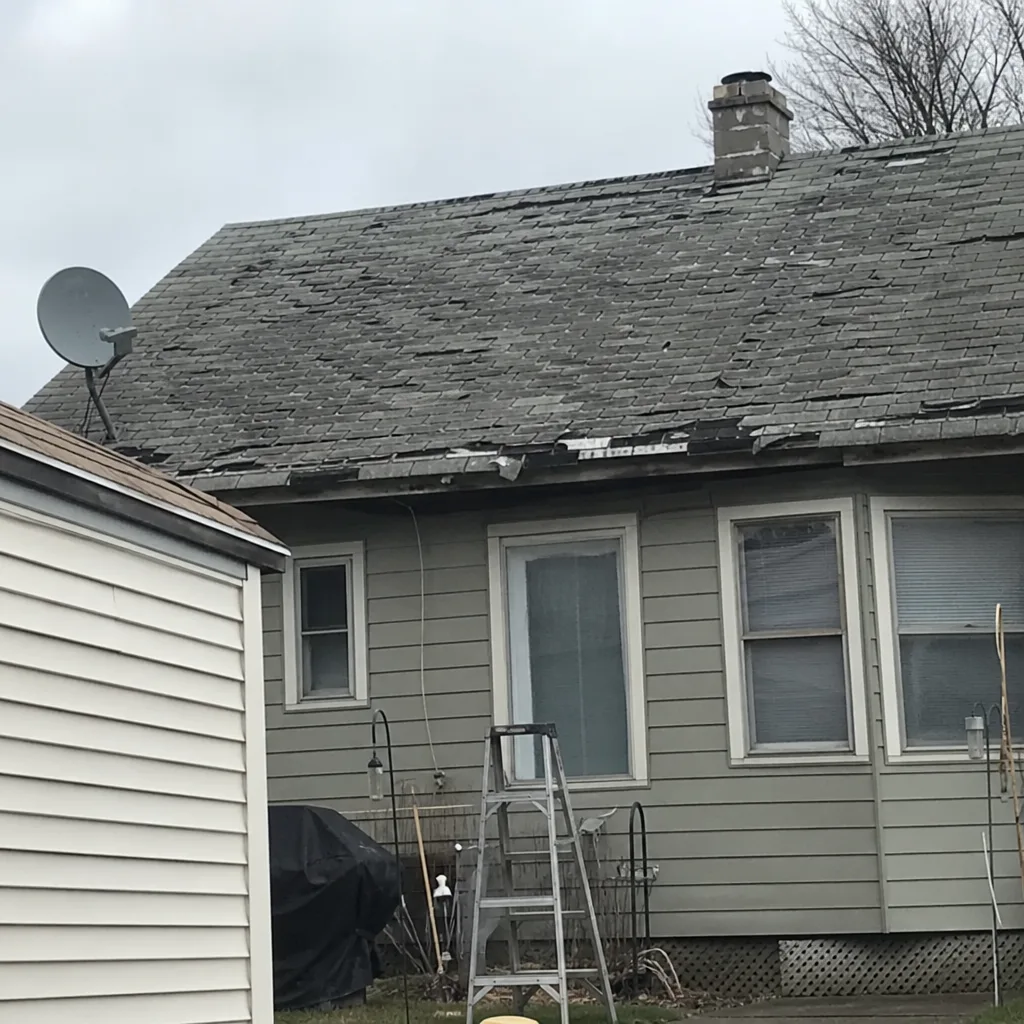
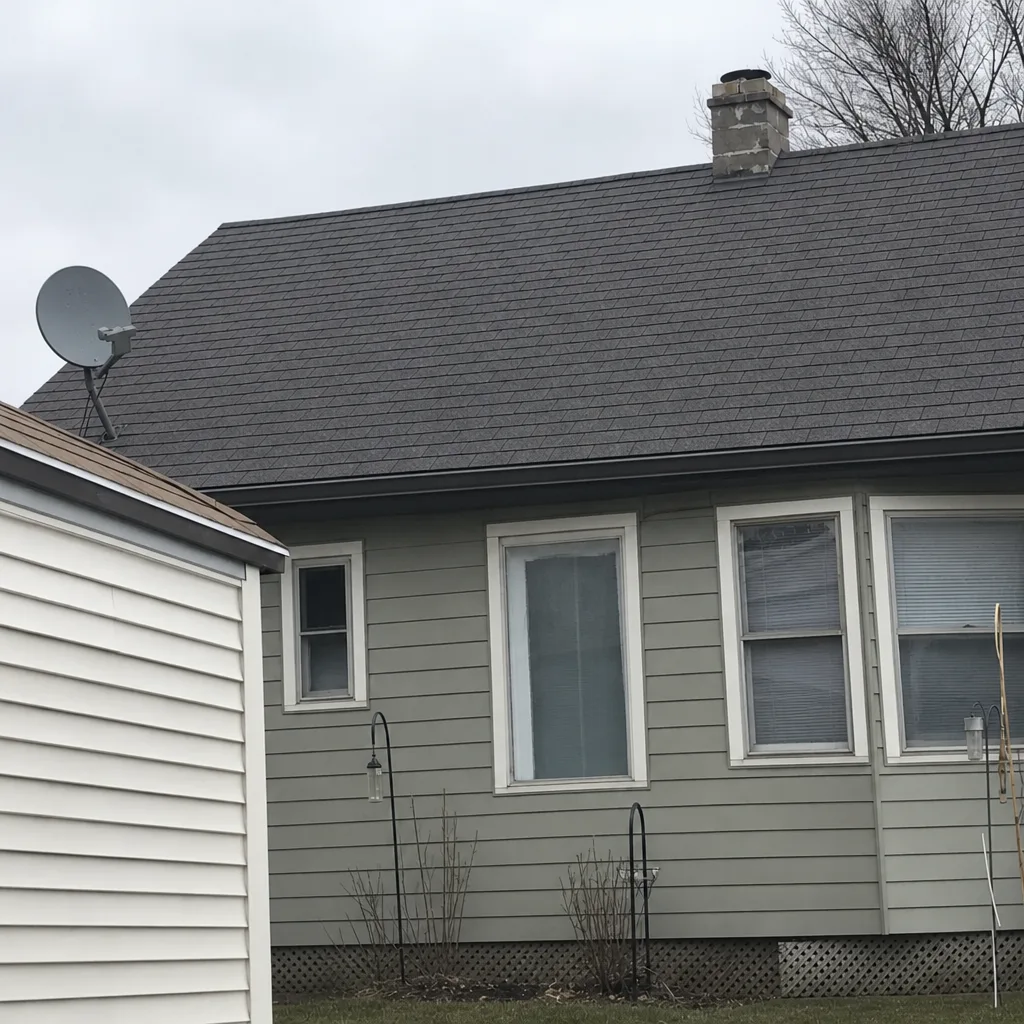
See the difference
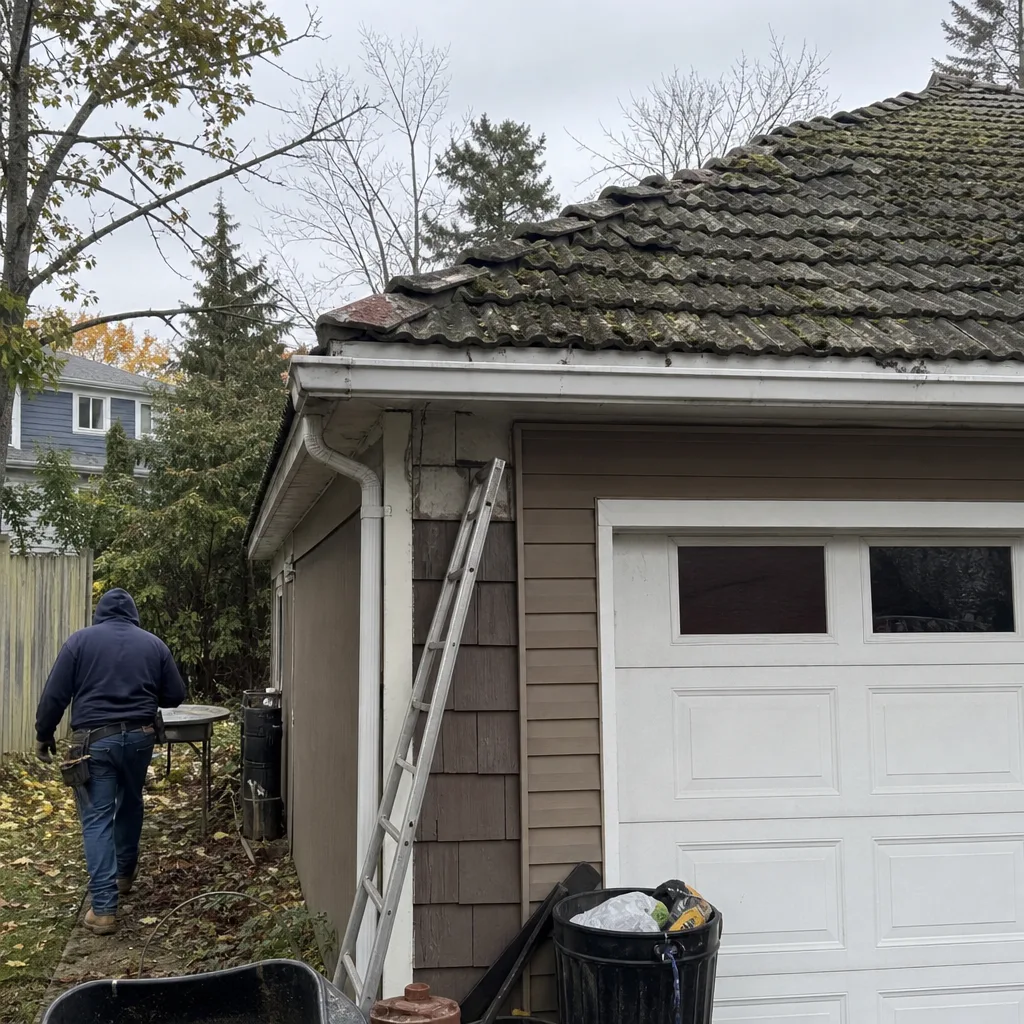 Before
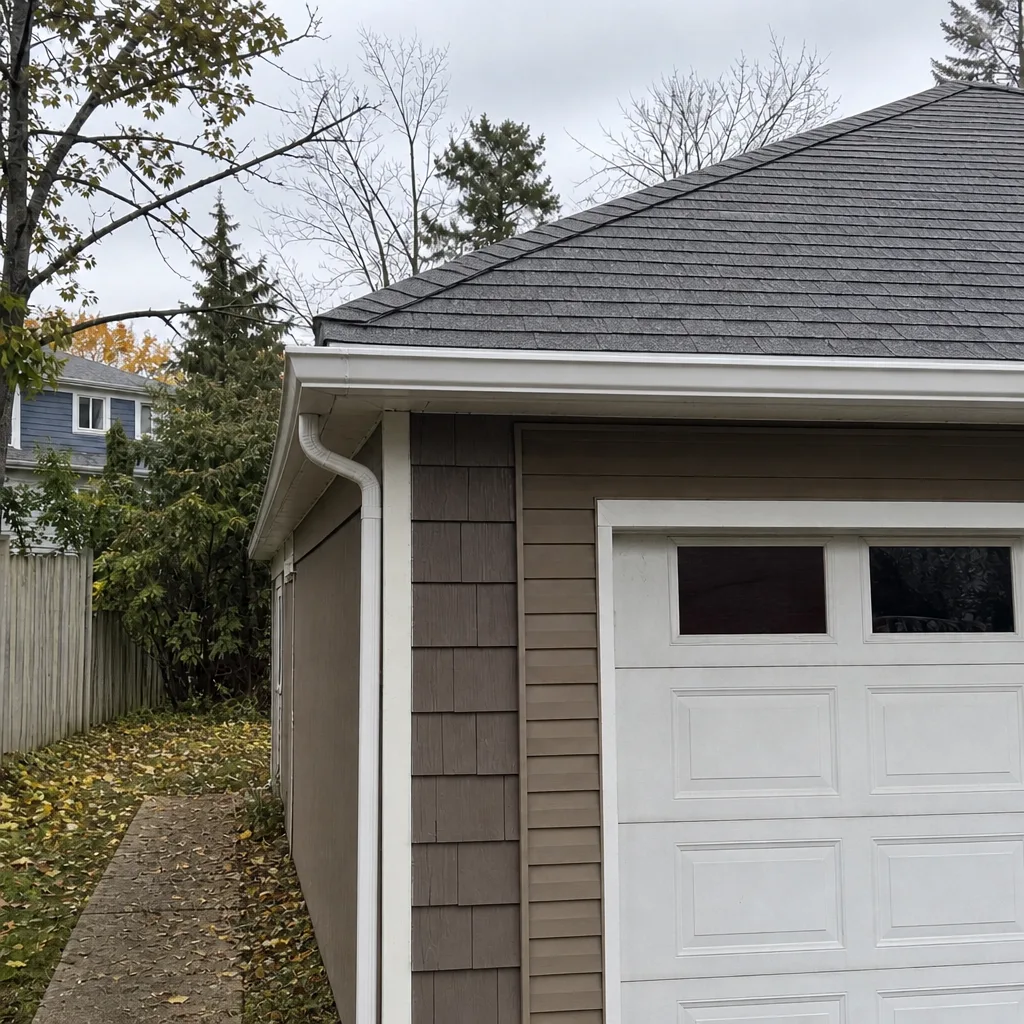 After
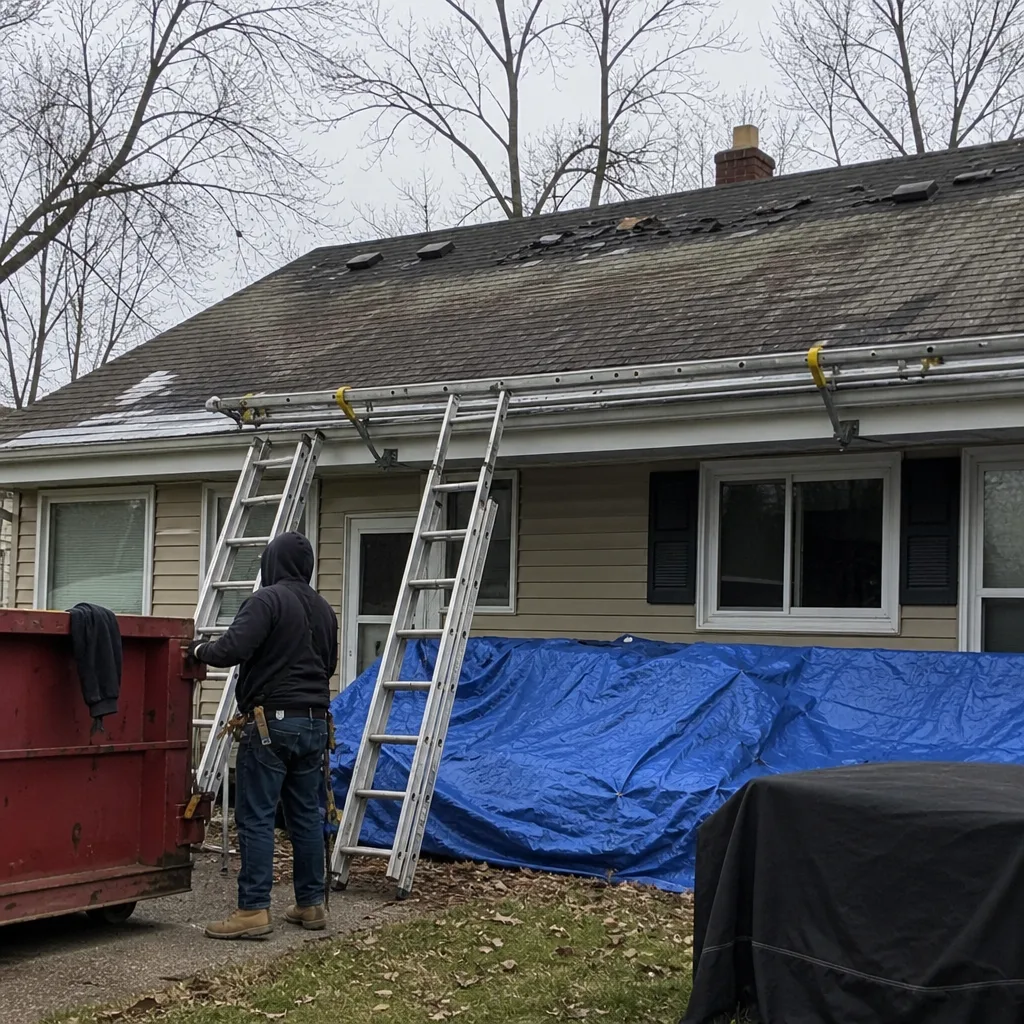 Before
 After
 Before
 After