
Last updated November 14, 2026
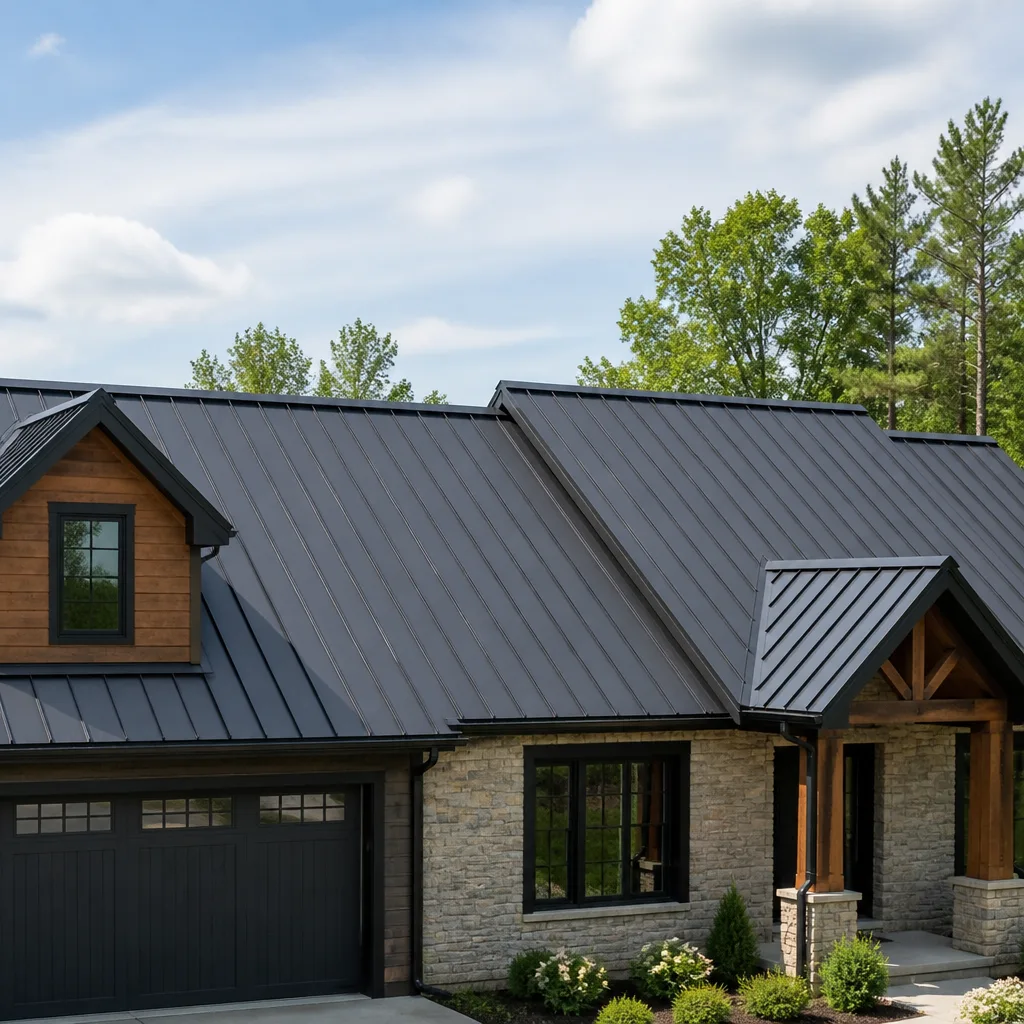 Metal roofing
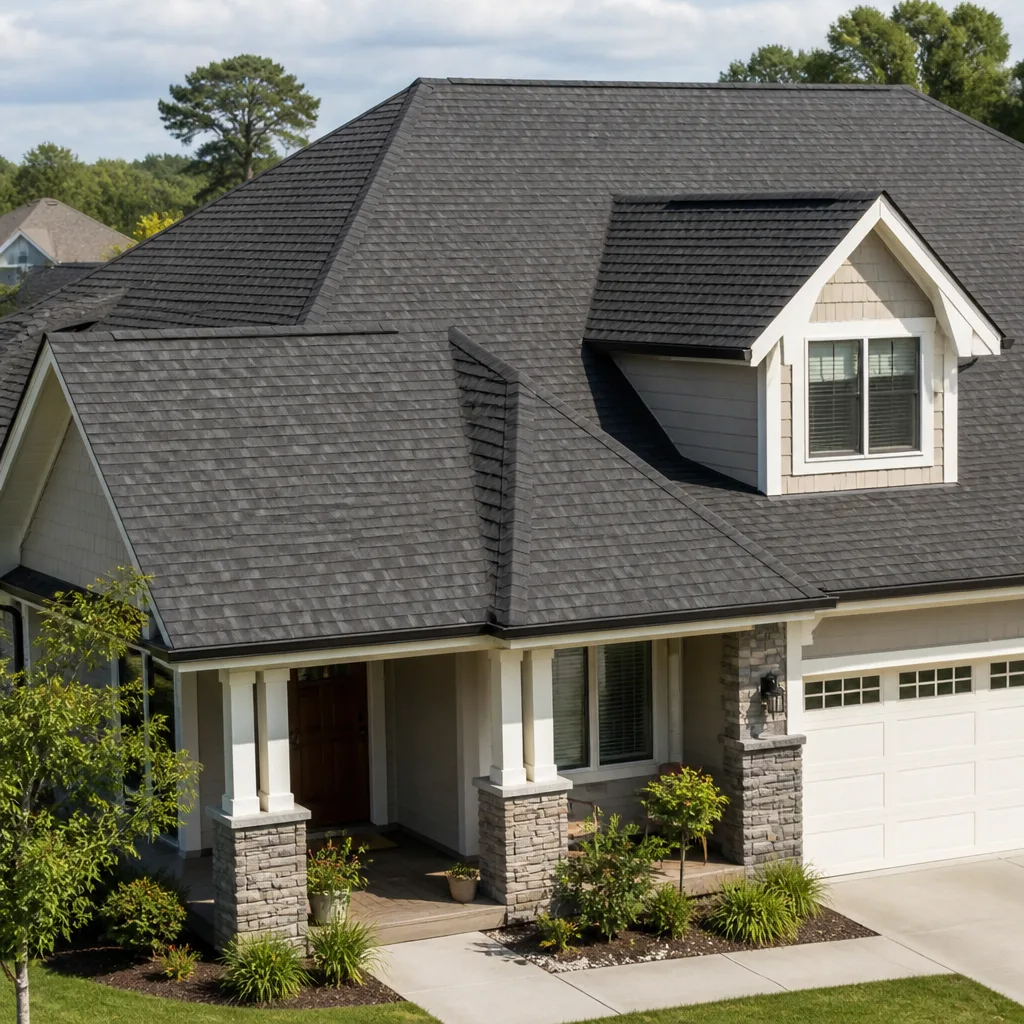 Architectural shingles
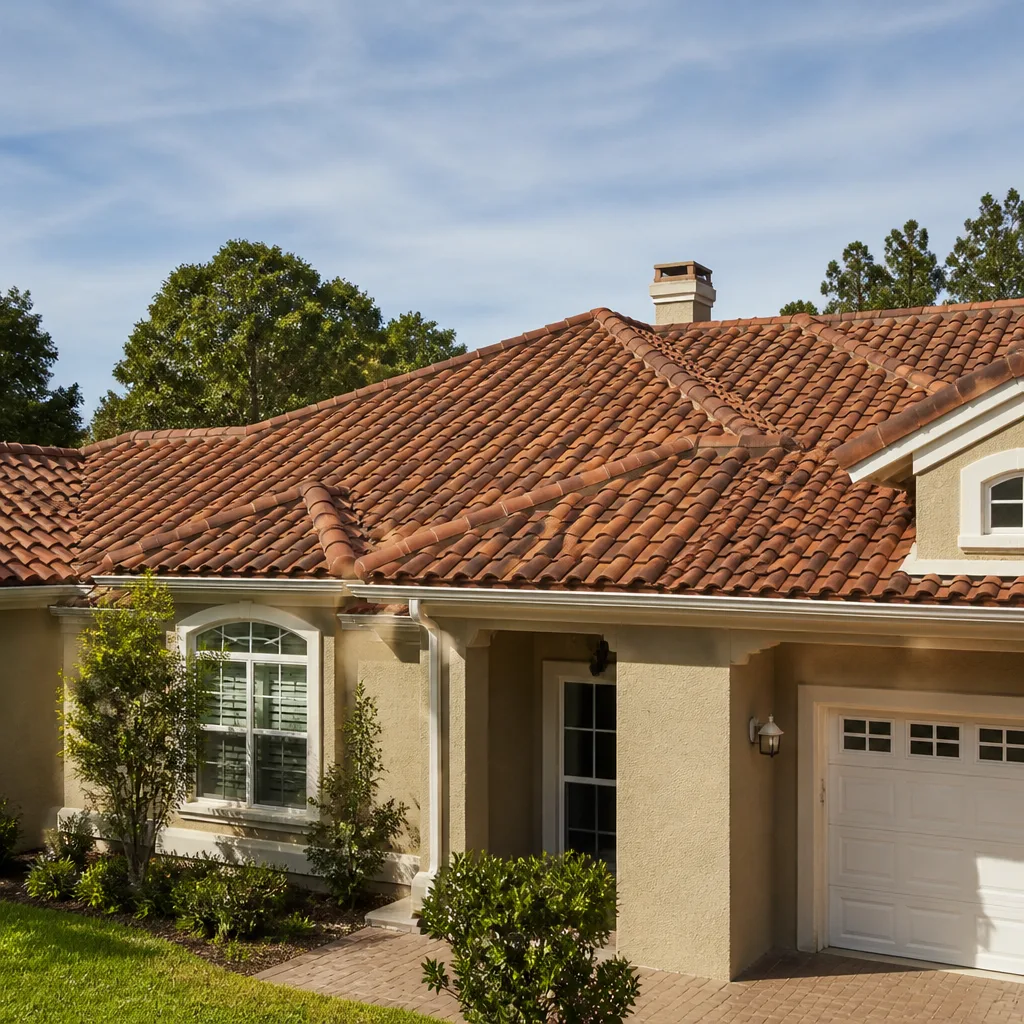 Tile roofing
 GAF
 Owens Corning
 Flat & low-slope
Free roof inspection with deck photos before we talk money - GAF and Owens Corning certified installation
Choosing the Right Roofing Brand: A Buyer’s Guide for Buffalo
Every major shingle brand has a flagship product with an impressive warranty, but the warranty terms for wind speed, temperature range, and installation method vary enough that two “lifetime” shingles from different manufacturers can perform completely differently on the same Buffalo roof. Most homeowners start their search by asking which brand is best. That’s the wrong question, and it leads to a lot of expensive mistakes. This guide explains what actually matters when choosing roofing materials in Buffalo’s climate, how the major brands compare on the metrics that count here, and how to read a spec sheet without getting lost in marketing language. By the end, you’ll know how to match a brand to your roof’s real needs, not just its reputation.
Quick Answer
The right roofing brand for a Buffalo home depends on four performance characteristics: wind resistance rating, low-temperature flexibility, algae resistance for moisture-heavy lake environments, and granule adhesion under thermal cycling. GAF, CertainTeed, and Owens Corning all make products that perform well in cold climates, but specific lines within each brand differ significantly. The best approach is to match the product’s documented cold-weather performance to your roof’s exposure, then choose an installer who can work across multiple manufacturers rather than being locked to one brand.
Styles & brands we work with
- Architectural shingles
- Metal roofing
- Tile roofing
- GAF
- Owens Corning
- Flat & low-slope
Table of Contents
- Why Buffalo’s Climate Should Drive Your Brand Decision
- The Four Performance Metrics That Matter in Buffalo
- How the Major Brands Compare for Buffalo Roofs
- Reading Warranty Terms for Lake-Effect Failure Modes
- Where Premium Tier Is Worth It, and Where Mid-Tier Wins
- Why Single-Brand Contractors Default to What They Stock
- Questions That Reveal Whether a Recommendation Is Honest
Why Buffalo’s Climate Should Drive Your Brand Decision
Buffalo roofs face a specific set of stresses that roofs in most other parts of the country never see. Lake-effect snow off Lake Erie arrives in heavy, wet bands that can dump a foot or more in hours. That weight sits on shingles for months. Then temperatures swing from single digits to above freezing and back again, sometimes within the same week. Every freeze-thaw cycle makes shingle materials expand and contract. Over a decade or two, that’s thousands of micro-movements working against the adhesive seal that holds shingle tabs down.
Tidewater Roof Repair has spent years working on roofs throughout Buffalo, and we’ve seen how different materials respond to these conditions. Some shingles handle the cold beautifully but lose granules faster under wet, shaded conditions. Others hold granules well but become brittle when temperatures drop into the teens. The brand name on the wrapper matters less than the specific formulation inside it.
That’s why we start every material conversation with the roof itself: its pitch, its sun exposure, its tree cover, its ventilation profile. A shingle that works perfectly on a south-facing roof in North Buffalo might struggle on a shaded roof in South Buffalo when moss and algae pressure is higher. Climate dictates the performance envelope, but the individual roof dictates which product inside that envelope fits best.
The Four Performance Metrics That Matter in Buffalo
When we look at a manufacturer spec sheet, we’re checking four numbers that most homeowners never see and most contractors never explain. These are the metrics that determine whether a shingle lasts 12 years or 25 years in Buffalo’s specific conditions.
1. Wind Resistance Rating
Buffalo gets legitimate wind events, including the tail ends of systems that push across Lake Erie. Shingle wind ratings come in classes: ASTM D3161, ASTM D7158 Class F, Class H, and so on. A Class H rating means the shingle was tested to withstand 150 mph winds. But here’s what spec sheets don’t emphasize: the wind rating only holds if the installation follows the manufacturer’s nailing pattern exactly, with the right number of nails in precisely the right locations. A Class H shingle installed with four nails where six were specified will perform below the rating. We pull permits and pass inspections on every roof replacement we do, and part of that process means verifying the nailing pattern matches the product’s wind rating requirements.
For Buffalo homeowners, look for a shingle rated at least ASTM D7158 Class F, which covers 110 mph wind speeds. If your roof is particularly exposed, like homes on open lots in Amherst or along ridge lines with no windbreak, step up to Class H. The upgrade cost is modest compared to the damage a wind-lifted tab can cause if water gets underneath.
2. Low-Temperature Flexibility
Some shingles become stiff and brittle as temperatures drop. Others stay flexible down to well below zero. The difference comes down to the polymer modifiers in the asphalt compound. Manufacturers don’t always publish a “low-temperature flexibility” number on consumer-facing materials, but you can find it on technical data sheets. The test standard is ASTM D1970 or similar. What you’re looking for is a product proven to remain pliable at temperatures that match Buffalo’s January lows.
Why this matters: brittle shingles crack. Roofers walking on a cold roof can crack shingles that have lost flexibility. Heavy snow sliding off a roof can snap a brittle shingle clean through. And cracked shingles are exactly where water finds its way in during the next thaw. When Buffalo temperatures sit in the teens and single digits for weeks, a shingle that handles 40 degrees fine but stiffens at 20 degrees is a liability.
3. Algae Resistance
Buffalo’s moisture profile creates near-constant damp conditions, especially on north-facing slopes and roofs shaded by mature trees. Algae, particularly the blue-green algae Gloeocapsa magma, thrives in this environment. It shows up as black streaks that start near the ridge and spread downward. The algae itself doesn’t destroy shingles immediately, but it does trap moisture against the granule layer, accelerating granule loss and shortening roof life.
Most major brands now embed copper or zinc granules in their algae-resistant lines. GAF uses StainGuard Plus. CertainTeed uses StreakFighter. Owens Corning has its own algae-resistant formulation across its higher-end lines. The key is to verify that the specific product line you’re considering includes algae resistance as a standard feature, not an optional upgrade. In Buffalo, algae resistance should be considered essential, not optional.
4. Granule Adhesion Under Thermal Cycling
This is the metric almost nobody talks about, but it’s the one we watch most closely on Buffalo roofs. Thermal cycling means the repeated expansion and contraction of shingle material as temperatures rise and fall. Buffalo goes through more of these cycles per year than most Northern cities because of the lake effect’s tendency to create dramatic temperature swings.
Every cycle flexes the bond between the asphalt layer and the ceramic granules embedded in it. Weak granule bonds fail after fewer cycles. Failed bonds mean bare asphalt exposed to UV and moisture. Granule loss is one of the most common reasons a roof fails before its warranty expires, and it’s the failure mode most directly tied to the quality of the manufacturing process rather than the installation. When comparing brands, look for language about granule embedment depth and adhesion testing. Some manufacturers publish this data directly. Some bury it in technical bulletins. If the information is hard to find, that tells you something about how the product performs in thermal-cycling conditions.
How the Major Brands Compare for Buffalo Roofs
We work with seven manufacturers: GAF, CertainTeed, Owens Corning, IKO, Atlas, Tamko, and Boral. That multi-brand access matters because it means our recommendations are driven by what your roof actually needs, not by what our supply chain happens to stock. Here’s how three of the brands most relevant to Buffalo homeowners compare on the metrics that matter in this climate.
GAF: Strong Wind Ratings, Consistent Quality Control
GAF’s Timberline line is one of the most widely installed shingles in North America, and its wind ratings are well documented. The Timberline HDZ carries an ASTM D7158 Class H rating, which is the benchmark for Buffalo’s wind exposure. GAF’s algae protection, StainGuard Plus, is standard on Timberline lines and performs well in our humid environment. The company’s manufacturing consistency is also strong. When we install GAF products, we know what we’re getting from batch to batch, which matters when you’re trying to match shingles on a repair years later.
Where GAF has documented limitations for cold-climate work: some lower-tier lines in the GAF catalog don’t carry the same flexibility characteristics as the premium lines. GAF’s spec sheets are thorough, but the differences between a Timberline HDZ and a more budget-oriented GAF product are significant. Price differences exist for a reason.
CertainTeed: Excellent Low-Temperature Performance, Premium Pricing
CertainTeed’s NorthGate and Landmark lines are known for cold-weather performance. The company’s manufacturing process produces shingles that hold flexibility well at low temperatures, which matters when Buffalo sits below freezing for weeks. CertainTeed’s warranty language is also stronger on paper than some competitors, particularly around wind damage coverage during the early years of the roof’s life.
The trade-off is cost. CertainTeed products typically run higher than comparable lines from other manufacturers. Whether that premium is justified depends on your roof’s specific exposure. For a highly exposed roof with a long expected ownership window, the premium can make sense. For a standard suburban roof with moderate exposure, a mid-tier product from another manufacturer might deliver equivalent real-world performance for less money. Our job is to show you that math honestly.
Owens Corning: Mid-Tier Value With Solid Algae Resistance
Owens Corning’s Duration line splits the difference between GAF and CertainTeed on price while offering strong algae resistance and respectable wind ratings. The SureNail technology in Duration shingles provides a consistent nailing zone, which reduces installation error, a meaningful factor when so much of a shingle’s final performance depends on correct nailing.
Duration shingles carry an ASTM D7158 Class F wind rating standard, with Class H available on some lines. For most Buffalo homes, Class F is adequate, and the money saved versus a premium CertainTeed product can go toward better ventilation or a higher-quality underlayment, both of which have more impact on real-world roof performance than many people realize. The limitation with Owens Corning is granular: their spec sheets are less transparent about low-temperature flexibility than CertainTeed’s, which means the performance difference in extreme cold requires more scrutiny.
Reading Warranty Terms for Lake-Effect Failure Modes
Warranty language is where the real differences between brands emerge, and it’s the section most homeowners skip. Two products can both carry a “lifetime” warranty, yet cover completely different things. Here’s how to read warranty terms through the lens of the three failure modes Buffalo roofs actually experience.
Wind-Lifted Tabs
Most shingle warranties include wind coverage, but the speed threshold varies. Some cover up to 110 mph, some up to 130 mph, and some products carry a special wind warranty only for wind exceeding the base coverage. What matters for Buffalo is the fine print: does the wind warranty apply for the full warranty term, or does it step down after a certain number of years? Some manufacturers offer full wind coverage for the first 10 or 15 years, then prorate the coverage afterward. Look for a product that maintains full wind coverage for the longest period you can reasonably expect to own the home.
Granule Loss
This is the warranty category with the most variation. Granule loss is typically covered only when it’s “excessive” and affects shingle performance, but the definition of excessive is left to the manufacturer’s discretion. Some brands are reasonable about granule loss claims. Others make you fight for every dollar. The warranty language itself will not tell you which is which. What will tell you is the manufacturer’s reputation among contractors who file claims regularly. A brand that fights granule loss claims is a brand that knows its granule adhesion isn’t as strong as the marketing suggests.
Cracking at Low Temperatures
Most warranties explicitly exclude cracking damage caused by foot traffic or “abnormal” conditions. What qualifies as abnormal in Buffalo’s climate is a gray area. A shingle that cracks during a January inspection because it has become brittle is technically a material failure, but the manufacturer may argue the temperature was extreme enough to constitute an abnormal condition. The best protection against this failure mode is not the warranty; it’s choosing a shingle with strong low-temperature flexibility in the first place. We always recommend homeowners check the product’s technical data sheet for cold-weather performance data before making a decision, rather than relying on warranty language that may not cover the actual failure they’ll experience.
Where Premium Tier Is Worth It, and Where Mid-Tier Wins
Roofing material pricing follows a roughly three-tier structure: budget, mid-tier, and premium. The differences between tiers are real, but they’re not always proportional to the price difference.
Premium-tier shingles from brands like CertainTeed and GAF typically offer better low-temperature flexibility, stronger wind ratings, and more robust algae protection than mid-tier lines. They also weigh more per square, which sometimes matters on older Buffalo homes where the roof decking was designed for lighter materials. If your roof is highly exposed, if you plan to stay in the home for 20 years or more, or if your roof has a steep pitch that increases wind uplift pressure, the premium tier is usually justified by measurable durability data.
Mid-tier products offer the best value for most standard Buffalo homes. These are homes with moderate sun exposure, reasonable tree cover, and roof pitches in the typical 4:12 to 8:12 range. A mid-tier Owens Corning Duration or GAF Timberline performs nearly as well as premium lines in real-world conditions, and the money saved can be redirected toward upgrades with higher ROI: better ventilation, ice and water shield in valleys and around penetrations, or improved attic insulation. Those improvements affect roof performance more than the difference between a mid-tier and premium shingle.
Budget-tier shingles are almost always the wrong choice in Buffalo. The climate is too demanding. These products will save money upfront but typically fail 5 to 8 years earlier, and the failure is rarely covered by warranty in a way that makes the homeowner whole. We stock budget options because some homeowners insist, but we recommend against them in nearly every Buffalo roof scenario.
Why Single-Brand Contractors Default to What They Stock
Most roofing contractors in Buffalo are tied to one manufacturer. They might be certified installers for GAF or CertainTeed, which sounds impressive and does require meeting certain training standards, but it also means their product recommendation always points to the same brand. The reason is structural: single-brand contractors buy in volume from one distributor, which gets them better pricing and more reliable supply. That’s not a conspiracy; it’s just how distribution works.
The problem is that the contractor’s incentive is to recommend the product they stock, not necessarily the product that fits your roof. This doesn’t mean single-brand contractors do bad work. Many do excellent work. But the recommendation can’t be fully independent when the contractor has a financial relationship with the manufacturer. We’ve structured our business differently: we work with seven brands, which means our recommendation doesn’t need to default to any single product line. The roof tells us what it needs. The budget tells us what’s feasible. The brand follows from those two inputs, not the other way around.
This matters more in Buffalo than in milder climates because the range of required performance characteristics is wider. A single-brand contractor might carry one product line that handles Buffalo winters well and another that doesn’t. Guess which one they recommend to everyone. With seven brands available to us, we can match the product to the specific conditions of your roof: wind exposure, sun exposure, pitch, moisture profile, and projected ownership window.
Questions That Reveal Whether a Recommendation Is Honest
Whether you’re talking to us or to another contractor, here are the questions that separate a genuine material recommendation from a sales pitch dressed up as expertise.
- Ask which specific product line they recommend, not which brand. “GAF is great” means nothing. GAF makes a dozen product lines with very different performance characteristics. “Timberline HDZ with Class H wind rating” tells you the contractor knows the product line and why it fits your roof.
- Ask what wind rating your roof actually needs. A contractor who can’t explain the difference between Class F and Class H and tell you which one applies to your exposure isn’t doing the necessary work.
- Ask how they handle granule adhesion or thermal cycling. These are the failure modes that matter most in Buffalo, and a contractor who can’t speak to them intelligently hasn’t thought seriously about material selection in this climate.
- Ask whether they’re tied to one manufacturer. If the answer is yes, ask how that affects their recommendation. A good contractor will give you a straight answer. A defensive one will dodge.
- Ask about nailing patterns for the specific product they’re recommending. Wind ratings only hold if the installation matches the manufacturer’s nailing specification. If the contractor can’t tell you how many nails per shingle the product requires and where they go, you’re talking to the wrong crew.
- Ask to see the technical data sheet for the specific product line, not the marketing brochure. The technical sheet has the numbers that matter. The brochure has pictures of mountains.
We don’t expect every Buffalo homeowner to become a roofing materials expert. But asking these questions accomplishes two things. It gives you real information about the product being recommended, and it reveals whether the contractor takes material selection seriously or treats it as an afterthought. We offer roof repair and replacement services, and we’ll walk you through any of these questions in detail during a consultation.
Common Mistakes to Avoid
- Choosing a brand before assessing your roof’s specific conditions. Two homes on the same street in Buffalo can need different shingle formulations based on sun exposure, tree cover, and roof pitch. The brand decision should come last, not first.
- Assuming a lifetime warranty means all products are equal. Lifetime coverage refers to the duration, not the scope of what’s covered. Two lifetime shingles can have entirely different wind coverage, algae exclusions, and proration schedules.
- Ignoring ventilation when selecting materials. A premium shingle installed over an under-ventilated attic will fail sooner than a mid-tier shingle installed over proper ventilation. The roof system matters more than any individual component.
- Trusting a brand name without reading the spec sheet for the specific product line. Every major manufacturer makes both excellent and mediocre products. The brand name tells you who made it; the spec sheet tells you what they actually made.
- Buying budget-tier shingles to save money upfront. In Buffalo’s climate, budget shingles fail earlier and more expensively than the initial savings justify. The cheap shingle is usually the most expensive one over a 20-year window.
- Overlooking algae resistance as a cosmetic issue. Algae isn’t just an appearance problem in Buffalo. It accelerates granule loss by trapping moisture against the shingle surface, which shortens the roof’s functional life.
- Choosing a contractor who can only sell one brand, without understanding why that limits your options. Single-brand contractors can do good work, but the recommendation is structurally constrained. Buffalo’s demanding climate means you benefit from a contractor with genuine material choice.
See the difference
 Before
 After
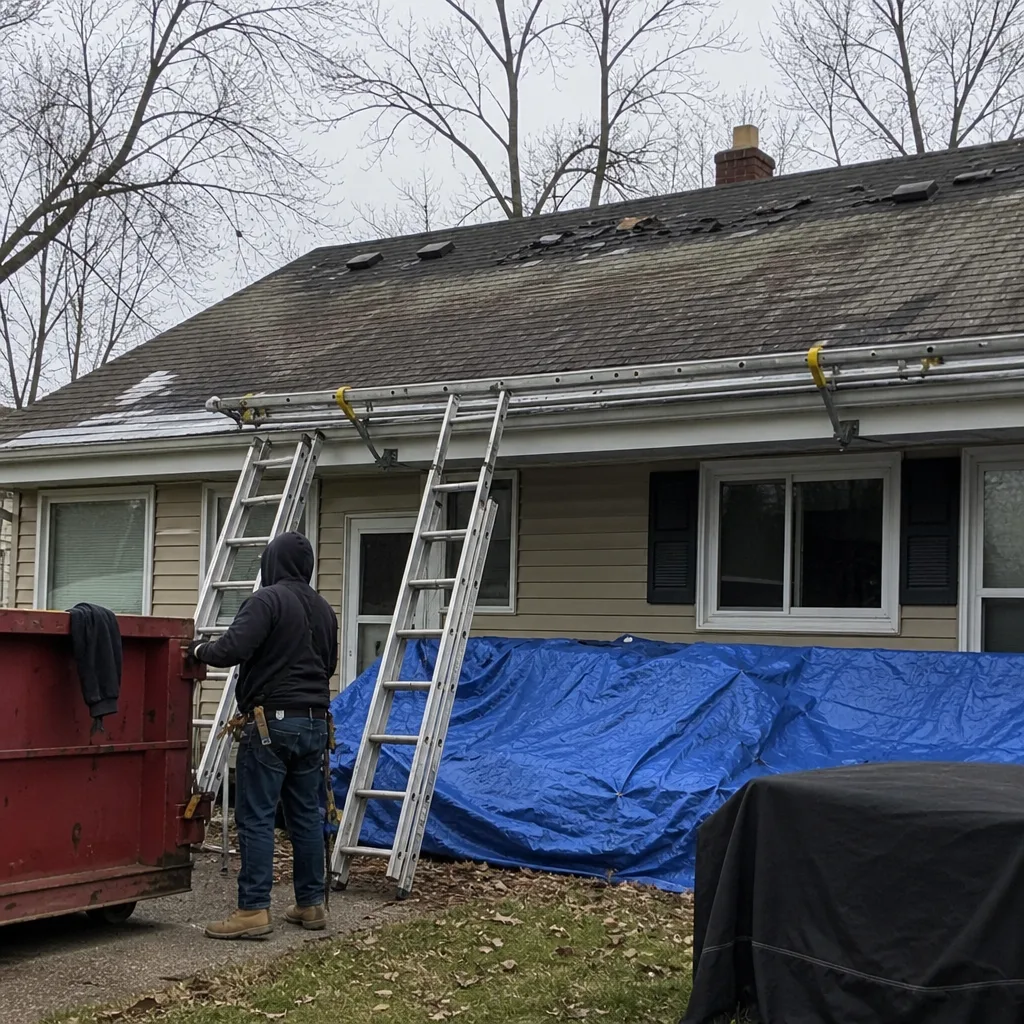 Before
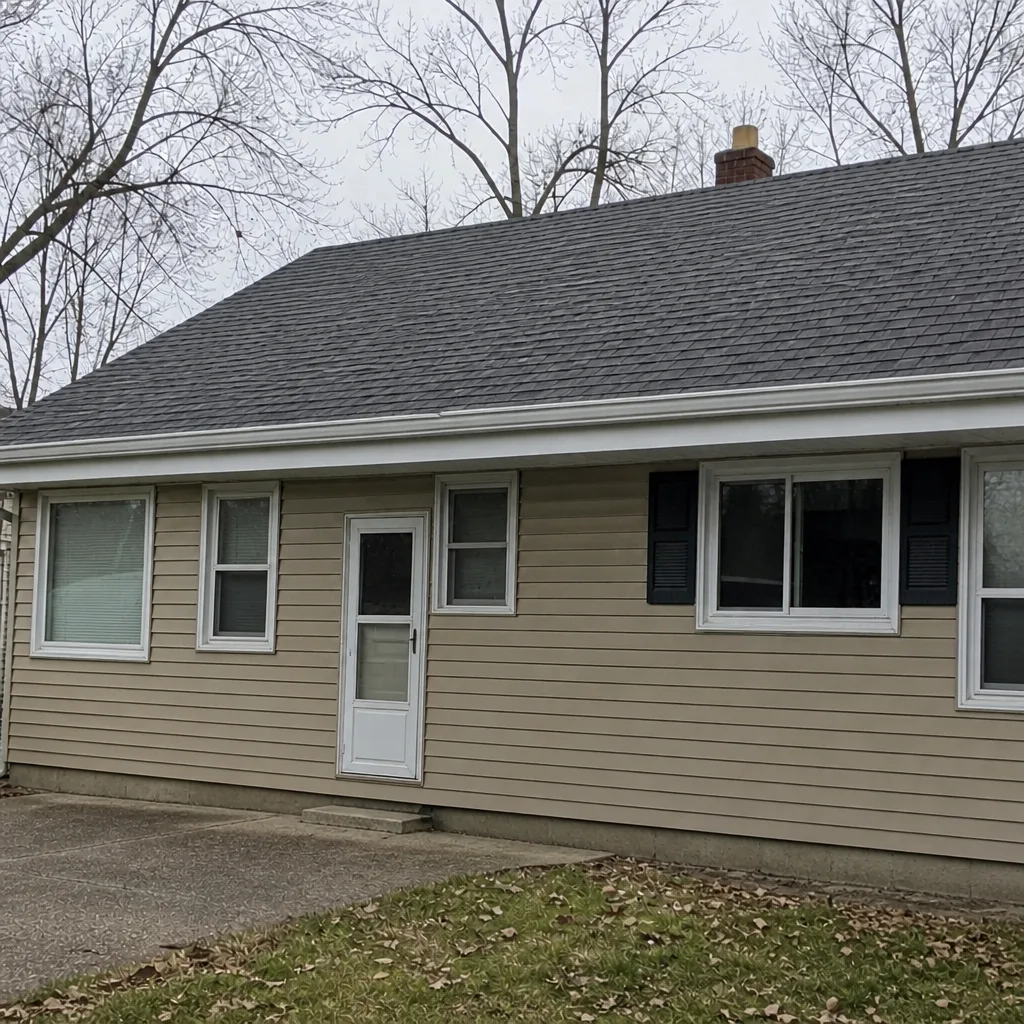 After
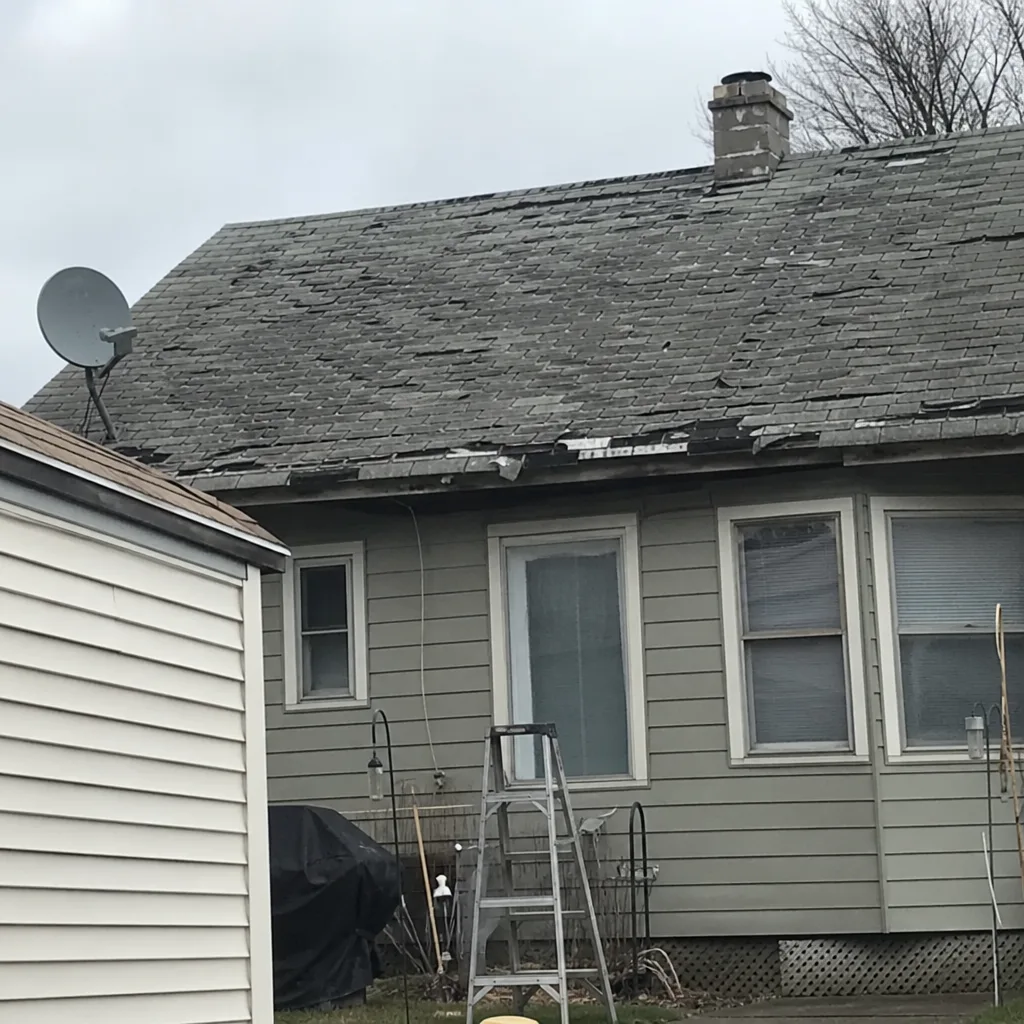 Before
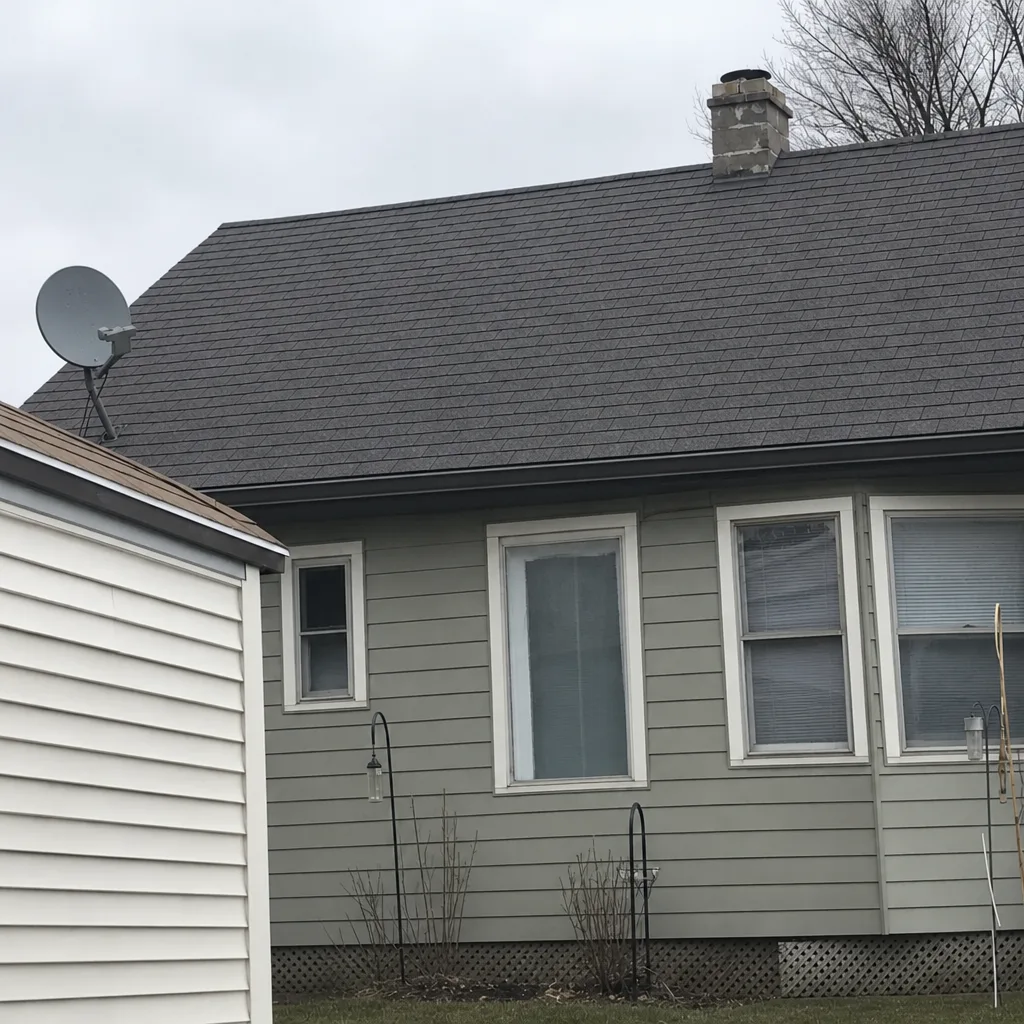 After
When to Call a Professional
If your roof is showing signs of age, like curling shingle edges, visible granule loss in your gutters, or dark streaks that won’t wash away, it’s time to get a professional assessment rather than trying to diagnose the problem from the ground. Roof leaks around flashings, chimneys, or skylights require immediate attention before water works its way into the decking and insulation. If a storm has passed through and you suspect wind damage, a professional inspection can document what happened and determine whether the damage warrants a repair or a full replacement. And if you’re planning to sell a Buffalo home in the next year or two, a roof inspection before listing gives you the information you need to make an informed decision about whether to repair, replace, or disclose. Tideroof Roof Repair offers free estimates in Buffalo. Call (866) 389-4577 to schedule yours.
Frequently Asked Questions
The best shingles for Buffalo are those with a Class H or Class F wind rating, documented low-temperature flexibility, standard algae resistance, and a track record of granule retention through thermal cycling. Specific product lines like GAF Timberline HDZ, CertainTeed NorthGate, and Owens Corning Duration all perform well when matched to the right roof conditions. Call (866) 389-4577 to discuss which line fits your specific roof.
Roof replacement costs in Buffalo vary widely based on roof size, pitch, material tier, and the condition of the decking underneath, with most full replacements falling in a broad range depending on those factors. The written estimate after an inspection sets the final price. Call (866) 389-4577 for a free estimate on your specific roof.
A lifetime warranty covers the shingle for as long as the original homeowner owns the home, but the coverage scope is what matters more than the duration. Wind coverage speed, algae exclusions, and granule loss definitions all vary significantly between brands and product lines. Reading the fine print before choosing a material is essential.
Yes, algae resistance is effectively essential in Buffalo’s moisture-heavy environment, where shaded roofs and north-facing slopes stay damp long enough for algae to establish and spread. Algae traps moisture against the shingle, accelerates granule loss, and shortens the roof’s useful life, so it is a durability issue, not just a cosmetic one.
Yes, many roof issues in Buffalo can be handled with targeted repair rather than full replacement, and an inspection determines which path is appropriate. We look before we quote, because repair when repair is right is the better outcome for the homeowner. Call (866) 389-4577 to schedule a roof inspection and find out what your roof actually needs.
A properly installed mid-tier or premium shingle on a well-ventilated Buffalo roof typically lasts 22 to 28 years, though exposure factors like tree cover, roof pitch, and orientation can shorten or extend that range. Budget shingles often fail 5 to 8 years sooner, and granule loss from thermal cycling is frequently the first visible sign of decline.
The Bottom Line
Choosing a roofing brand in Buffalo means starting with your roof’s exposure profile, not a manufacturer’s reputation. The four metrics that matter most here are wind resistance, low-temperature flexibility, algae resistance, and granule adhesion under thermal cycling. Premium products from brands like GAF, CertainTeed, and Owens Corning earn their price in some Buffalo homes and not in others. A contractor who can work across seven brands can recommend what fits your roof rather than what fits their warehouse. When you’re ready to make the decision, roof replacement guidance and a free estimate are one call away at (866) 389-4577.
Written by the team at Tidewater Roof Repair, serving Buffalo since 2011.