
Last updated November 14, 2026
 Metal roofing
 Architectural shingles
 Tile roofing
 GAF
 Owens Corning
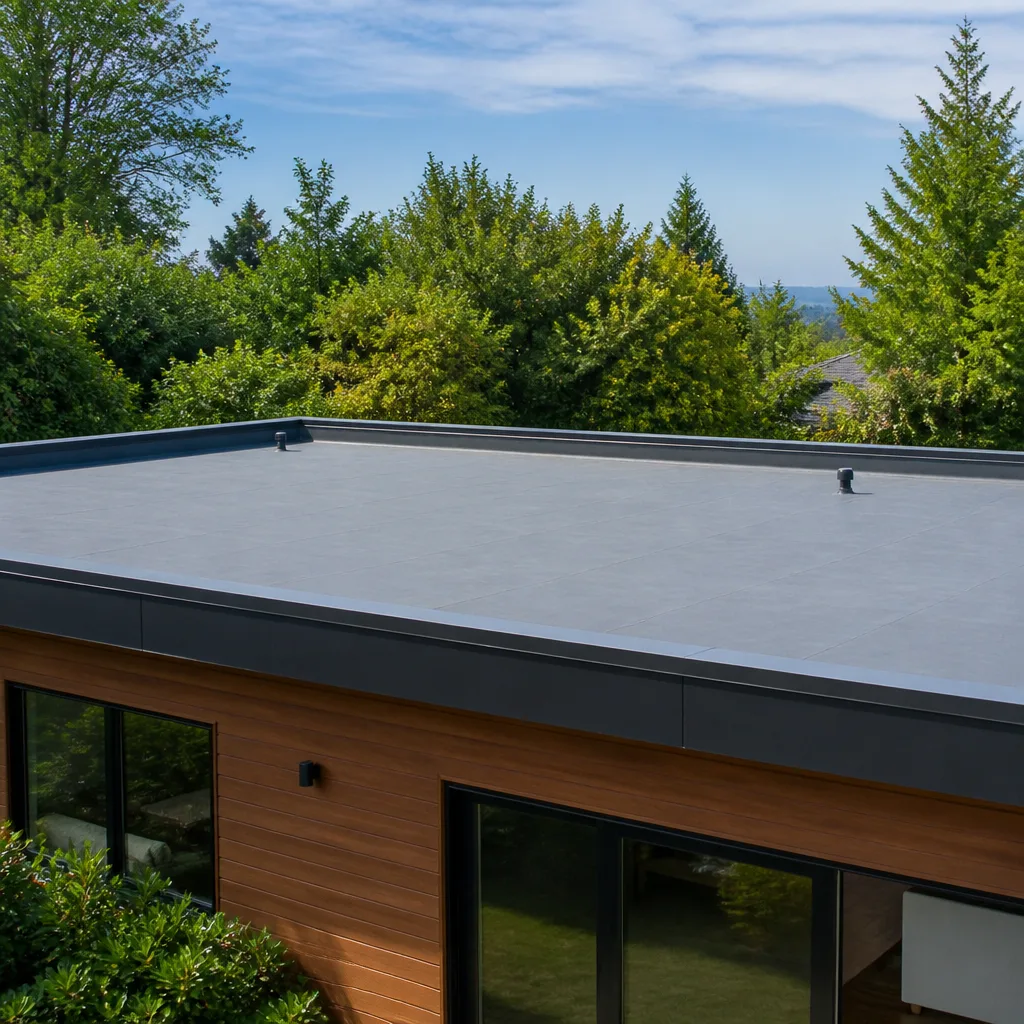 Flat & low-slope
Free roof inspection with deck photos before we talk money - GAF and Owens Corning certified installation
Seasonal Roofing Care for Buffalo: Year-Round Homeowner’s Guide
Most Buffalo homeowners think about their roof twice: when it leaks and when it’s time to sell. That’s backwards. A roof in Western New York endures a specific cycle of abuse – wet, heavy snow, brutal freeze-thaw swings, and wind-driven rain off Lake Erie – and the smartest maintenance calendar doesn’t follow spring, summer, fall, and winter. It follows the moments when that abuse causes real damage and the moments when you can actually fix it. This guide walks through those windows in plain language. By the end, you’ll know what to look at, what to ignore, what to do yourself, and when a phone call to a Tidewater Roof Repair inspector makes more sense than a ladder.
Styles & brands we work with
- Architectural shingles
- Metal roofing
- Tile roofing
- GAF
- Owens Corning
- Flat & low-slope
Quick Answer
Seasonal roof care in Buffalo means prioritizing two narrow windows: the fall preparation period from roughly October 10 through the first hard freeze, and the spring damage audit once snow fully melts. Summer is the season for structural repairs that need dry conditions, and winter is for careful ground-level monitoring rather than climbing around on ice. Done in that order, annual maintenance keeps a Buffalo roof ahead of the weather instead of chasing leaks after they start.
Table of Contents
- The Two Windows That Matter
- Fall Preparation: October 10 to First Hard Freeze
- Winter Monitoring: What You Can See from the Ground
- Spring Damage Audit: Reading What Winter Left Behind
- Summer Structural Repair Window
- Building a Roof Weather Log
- Common Mistakes to Avoid
- When to Call a Professional
- Frequently Asked Questions
- The Bottom Line
The Two Windows That Matter
Buffalo’s roofing calendar does not break cleanly into four seasons. It breaks into two short, critical windows with two long stretches in between. The first window lands between mid-October and the first hard freeze, usually around mid-November. That stretch, roughly four to six weeks in most years, is when sealants cure, flashing sets, and shingles lay properly. Miss it, and you’re doing emergency patches in the cold or waiting until spring. The second window is the thaw-to-spring stretch, from whenever the last significant snow melts through early May. That’s the damage audit period, when winter’s effects become visible and before summer heat locks in any problems.
Around those two windows sit the summer construction season and the winter monitor-and-wait period. A homeowner who structures their year this way spends less money than one who reacts to leaks, because the work gets done when conditions allow it to be done correctly the first time. The old advice about “checking your roof every spring and fall” is right, but it misses why those moments matter so much here specifically. Buffalo’s fall is not like other cities’ fall. The moisture, the temperature swings, and the early snow all compress the useful repair season into a tighter band than most guides acknowledge.
Fall Preparation: October 10 to First Hard Freeze
The window starting around October 10 is the highest-leverage maintenance period in Buffalo roofing. This is the only stretch of the year when flashing work and sealant application can fully cure before temperatures drop below the point where those materials become difficult to work with. A sealant applied in 45-degree weather behaves very differently from one applied in 30-degree weather. The cold slows the cure, and if it freezes before the material skins over, the bond is compromised. Getting this work done in the fall preparation window means it sets properly and holds through the winter.
What to Do During the Fall Window
- Walk the gutter line. Clean debris from gutters and downspouts. Buffalo’s trees drop an enormous volume of leaves in October, and gutter overflow is a primary cause of ice damming come January.
- Inspect flashing visually. Look at the metal around chimneys, vents, and skylights from the ground or a ladder. Lifted edges, gaps, or rusted-through sections need attention now, not in December.
- Check sealant at penetrations. Pipe boots, vent collars, and any spot where roof and wall meet. Sealant that is cracked, peeling, or missing should be replaced before the first freeze.
- Look for loose or missing shingles. After Buffalo’s frequent fall wind events, shingles can shift. A missing shingle in October is a small repair. A missing shingle under a February ice sheet is a leak.
- Schedule your inspection. If anything looks questionable, a roof inspection at this stage gets a diagnosis before winter locks things in. It’s cheaper and calmer than an emergency call in January.
We’ve seen too many small October issues become big February emergencies. A ten-minute look at the roof edge can tell you whether to call for a professional look or rest easy. And when you need materials, it helps that Tidewater Roof Repair works with seven major brands – including GAF, CertainTeed, Owens Corning, IKO, Atlas, Tamko, and Boral – so the right product gets matched to the roof rather than whatever one supplier happens to have in stock. That breadth matters when a specific flashing detail needs a specific material.
Winter Monitoring: What You Can See from the Ground
Winter in Buffalo is not a time for roof work. It’s a time for watching. Lake-effect snow events dump moisture on the roof in a cycle that repeats all season: snow accumulates, partial thaw happens from attic heat, refreeze occurs overnight. That cycle causes ice dams at the roof edge and stress on shingles and flashing. The homeowner’s job during these months is to notice problems early from the ground, not to climb a ladder onto an icy surface – that is a genuinely dangerous situation best left to professionals.
Ground-Level Warning Signs During and After Lake-Effect Events
- Icicles forming along the eaves in thick clusters. Some icicles are normal after snow melts. Thick, wide icicles forming in bands along the roof edge suggest water is pooling and refreezing, which points to an ice dam forming.
- Interior ceiling stains or bubbling. This is the most reliable sign that water is already getting through. Check ceilings in rooms directly under the roof after each significant melt.
- Visible sagging in roof sections. Snow load in Buffalo is no joke. A roof line that looks different than it did in September – a dip, a wave, a change in the angle – needs professional eyes immediately.
- Sounds of dripping or running water inside walls. Not just during rain. During a thaw, water from an ice dam can travel inside wall cavities and announce itself as a faint drip. Don’t ignore it.
- Shingle debris or granules on snow after a wind event. A handful of granules on the snow after a storm is not unusual. A consistent wash of granules after every storm says the shingle surface is failing.
The key skill here is patience. You’re not going to fix anything in February. You’re logging observations so that the spring audit is faster and more accurate. A homeowner who watches carefully all winter walks into spring knowing exactly what to check first. We’d rather you call us in March with a list than in September with a leak.
Spring Damage Audit: Reading What Winter Left Behind
Once the snow melts off the roof – usually by early April in most Buffalo years – the damage audit can begin. This is the moment to distinguish between three different problems that all look vaguely similar from the ground: ice dam scarring, wind-driven rain infiltration, and ordinary granule aging. Each points to a different fix, and misreading the signs leads to unnecessary spending.
How to Read the Three Common Spring Findings
- Ice dam scarring. Look along the bottom edge of the roof, the first three to five feet up from the gutter line. Scarring appears as a wash of missing granules, often in streaks or patches, where pooled water sat and refroze repeatedly. The shingles themselves may look darker or shinier, like they’ve been buffed. This points to an insulation or ventilation problem more often than a shingle problem.
- Wind-driven rain infiltration. This presents as water stains in the attic sheathing or on the underside of the roof deck, typically near the eaves, gable ends, or around any roof penetration. The shingles above may look completely fine from the outside. The telltale is the location of the stain – if it lines up with a known Buffalo wind-facing slope, wind-driven rain is the likely culprit.
- Normal granule aging. Every shingle sheds granules slowly over its life. In spring, a fine, even dusting of granules at gutter lines is normal, not an emergency. Alarm bells should ring when the granules are thick, when bare asphalt patches are visible, or when the shingle edges look ragged rather than straight.
This is exactly the kind of read a standalone roof inspection is built to handle. At Tidewater Roof Repair, the inspection is the starting point for every recommendation, not a formality before a quote. We look before we quote, and that order matters. When you know what winter actually did to the roof, decisions about roof repair versus replacement become straightforward.
Summer Structural Repair Window: June Through August
If Buffalo’s fall window is for sealants and flashing, the summer window is for structure. This is the only stretch of the year when deck boards and underlayment can be replaced with proper dry-in conditions. Roof decking is the plywood or OSB layer beneath the shingles. Underlayment is the water-resistant barrier that sits between the wood and the shingle layer. Both require dry, warm weather to install correctly. Trying to do this work in spring risks trapping moisture between layers, which leads to rot and mold that you won’t see for years.
Why Summer Is the Only Season for Deck and Underlayment Work
- Wood needs to be dry. Roof decking that has absorbed moisture from spring snow melt or April rain will not properly bond with fasteners and underlayment. In summer, the wood is naturally dry, which means the new layers go on and stay put.
- Underlayment needs consistent temperature. Self-adhering underlayment is particular about temperature at installation. Summer gives the window where the material lies flat, bonds well, and doesn’t shift.
- Replacement work exposes the interior. When a section of decking comes off, the house interior is temporarily exposed. Summer weather means the work can proceed without short, weather-dependent bursts of productivity that lead to mistakes.
- Fall and winter are for monitoring, not opening up the roof. Once you’re past September, the opportunity for structural work has largely passed until next summer.
Many Buffalo homeowners assume deck replacement only happens during a full roof replacement. That’s not always the case. A small section of rotted decking can sometimes be swapped during a repair. The point is that the timing of that swap matters almost as much as the work itself. And when replacement is the right call, access to seven manufacturers – GAF, CertainTeed, Owens Corning, IKO, Atlas, Tamko, and Boral – means the new roof gets the right material for the house and the budget, not just what one brand makes. We look at the roof and recommend the right material, not the other way around.
Building a Roof Weather Log
Sound maintenance decisions come from evidence, not guesswork. A simple written log of roof observations and weather events makes it possible to tell whether a roof problem is getting worse, staying stable, or actually resolving on its own. Most homeowners don’t do this, and as a result they make decisions based on memory, which is unreliable when you’re talking about a roof you see every day but rarely really look at.
How to Keep a Roof-Specific Weather Log
- Pick a log format. A spiral notebook, a phone note, a spreadsheet – whatever you will actually keep up. The format matters less than the consistency.
- Log significant weather events. After every lake-effect snow over six inches, every wind event over 40 mph, and every hard freeze-thaw cycle, make an entry with the date and the event type.
- Log roof observations on a schedule. Once a month during winter, once a week during spring and fall, and after any severe event, walk the exterior and note what you see. Anything new, anything changed, anything that looks off.
- Log interior observations. Ceiling stains, new drips, changes in attic insulation, even a musty smell after rain – all of it goes in the log with the date.
- Review the log annually. In early fall, before the preparation window opens, read through the past year’s entries. Patterns will emerge. Two ice-dam events in the same spot means ventilation needs work. Recurring granules at the same gutter means a localized shingle failure.
This log is more valuable than most homeowners realize. When a contractor shows up to inspect, a homeowner with a log can point to specifics: “The stain appeared after the March 3 storm,” or “The granules have been collecting at this corner since November.” That’s the difference between a diagnostic conversation and a guessing game. It also protects the homeowner from unnecessary work, because the evidence tells the story.
Common Mistakes to Avoid
- Putting off the fall prep until late November. By the time Buffalo sees its first hard freeze, sealants and flashing repair become much more difficult to do well. Waiting until the cold has already set in means the work either can’t be done or gets done poorly and fails. Schedule for mid-October, not Thanksgiving.
- Climbing onto an icy roof in winter. This is the most dangerous mistake a homeowner can make. Ice, snow, and cold make any roof surface treacherous. Even professionals plan winter work carefully. If you suspect a problem in winter, monitor from the ground and call someone if it looks urgent.
- Assuming all granule loss means the roof is failing. A fine, even granule wash is normal aging. Panic-replacing a roof because of ordinary granule shed is spending five figures to fix a non-problem. The spring audit exists to tell the difference.
- Ignoring attic ventilation problems after an ice dam. Ice dams in Buffalo are most often caused by attic heat escaping through poor insulation or ventilation, not by the shingles themselves. Repairing the shingles without addressing the ventilation means the ice dam comes back next year.
- Replacing individual shingles with whatever is on sale. A shingle that doesn’t match the surrounding roof – in material, age, or weather exposure – creates a weak point. Material choice matters, which is why working with seven brands instead of one gives better long-term results.
- Waiting until a small leak becomes a big one. A stain on the ceiling is the final symptom of water that has already traveled through the roof system. By the time it shows inside, the roof has been leaking for a while. Small, early repairs cost a fraction of late-stage fixes.
When to Call a Professional
Some roof work is genuinely safe for a careful homeowner: gutter cleaning in good weather, visual inspection from the ground, logging observations. Other work is not. Call a professional any time you see sagging in the roof line, water stains appearing on ceilings or walls, evidence of active leaking, or damage that looks structural rather than cosmetic. Climbing onto a roof requires proper footwear, proper ladder setup, and a clear understanding of what’s safe to stand on – and in Buffalo‘s steep-pitched, weather-worn housing stock, that’s a judgment call best left to someone who does it every day. Tidewater Roof Repair offers free estimates in Buffalo – call (866) 389-4577, and we’ll give you an honest assessment without pressure.
Frequently Asked Questions
Summer, between roughly June and August, is the best season for full replacement in Buffalo. The warm, dry conditions allow deck boards and underlayment to be installed properly, without moisture getting trapped between layers. That said, smaller repairs and flashing work are best done in the fall window from early October through the first hard freeze, when sealants cure properly before cold weather sets in.
Lake-effect snow in Buffalo comes in repeated, heavy bands, often mixing with partial thaws during the day and hard freezes at night. This freeze-thaw cycling is what creates ice dams at the roof edge and puts repeated stress on shingles and flashing. The damage accumulates over a season, and spring is when most of it becomes visible.
Yes, for ground-level and ladder-level visual checks during dry, warm weather. No, for anything involving climbing onto an icy or snowy roof. The danger of a slip on a Buffalo roof in winter should not be underestimated. When in doubt, a professional inspection is the safer and ultimately cheaper path.
Once a year, in early fall before the preparation window, is the right cadence for most Buffalo homes. This timing catches problems before winter’s punishing cycle, not after. Homes with known issues, older roofs, or a history of ice damming may benefit from a second check in spring after snow melt.
The biggest mistake is treating the roof as a reactive item instead of a proactive one. Waiting for a leak means waiting until water has already penetrated the system and traveled somewhere it shouldn’t. By the time a ceiling stains, the damage is more extensive than a simple visual issue. Proactive seasonal care prevents that cascade.
Yes. Tidewater Roof Repair offers inspections as a standalone service, and we provide free estimates for repair and replacement work. Call (866) 389-4577 to schedule yours. We look before we quote, so you get an honest diagnosis without the hard sell.
The Bottom Line
Buffalo’s roof care calendar is unlike anywhere else because Buffalo’s weather is unlike anywhere else. The two windows that matter – fall preparation and spring audit – are short and specific, and the work done in those windows determines whether the roof survives another lake-effect winter or slowly fails. Summer is for structural repairs, winter for patient ground-level monitoring, and a simple written log ties it all together into evidence-based decisions. Miss the windows, and you’re reacting. Hit them, and you’re staying ahead. If you’re unsure where your roof stands this year, start with an honest inspection. Call Tidewater Roof Repair at (866) 389-4577 for a free estimate in Buffalo.
Written by the team at Tidewater Roof Repair, serving Buffalo since 2011.
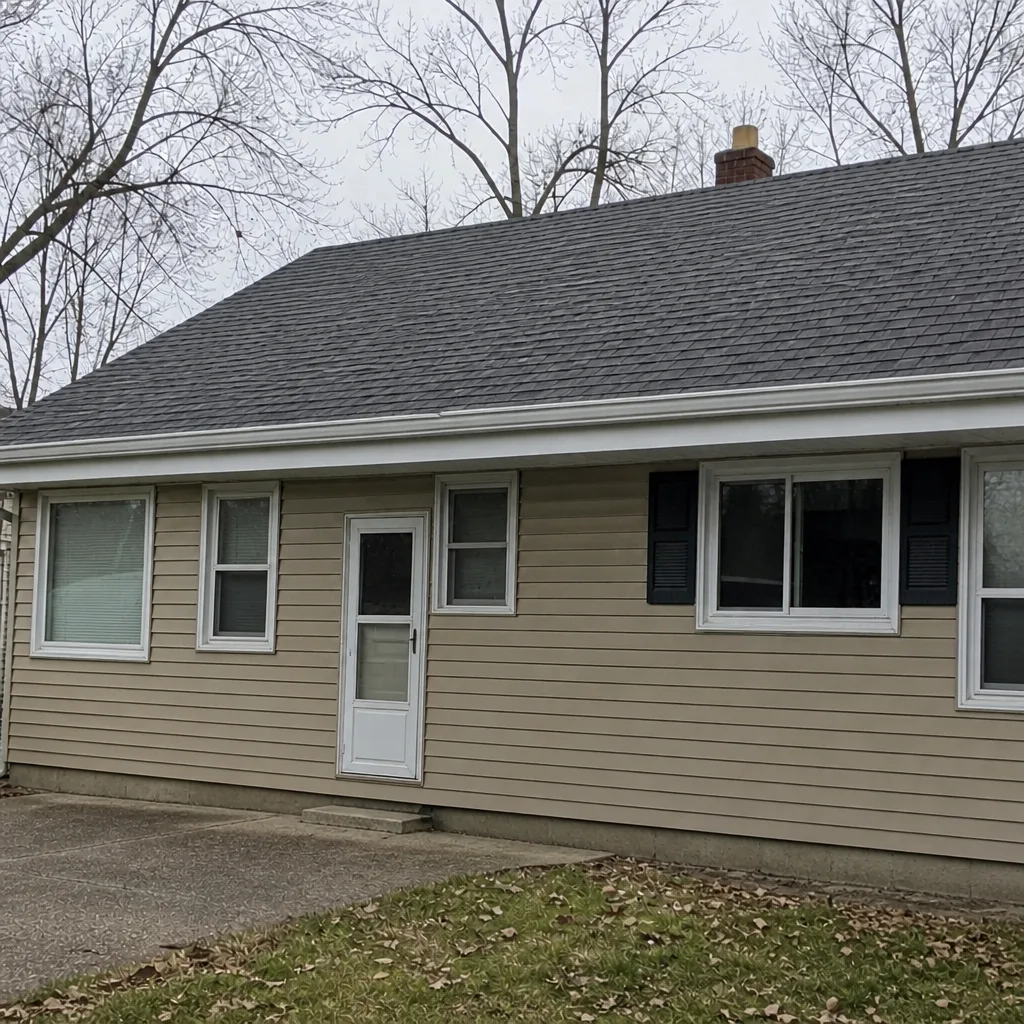
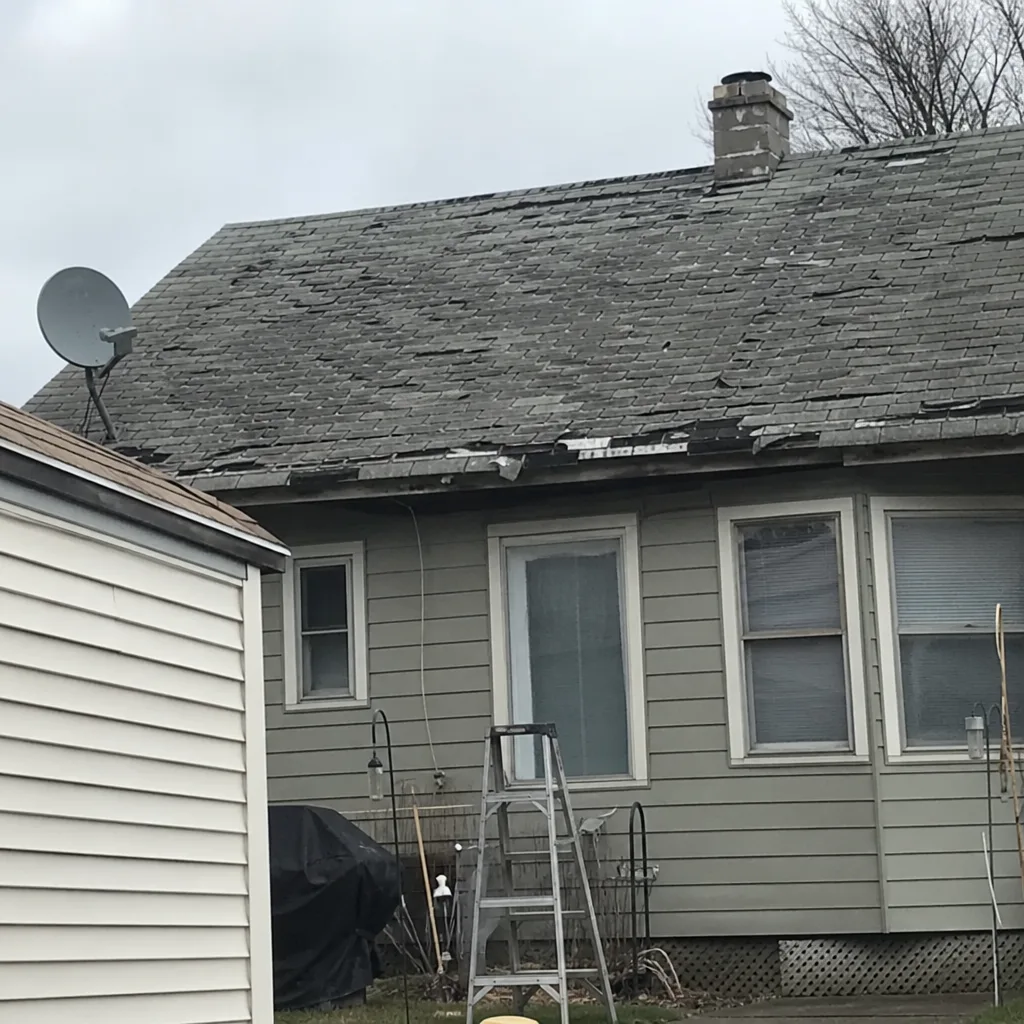
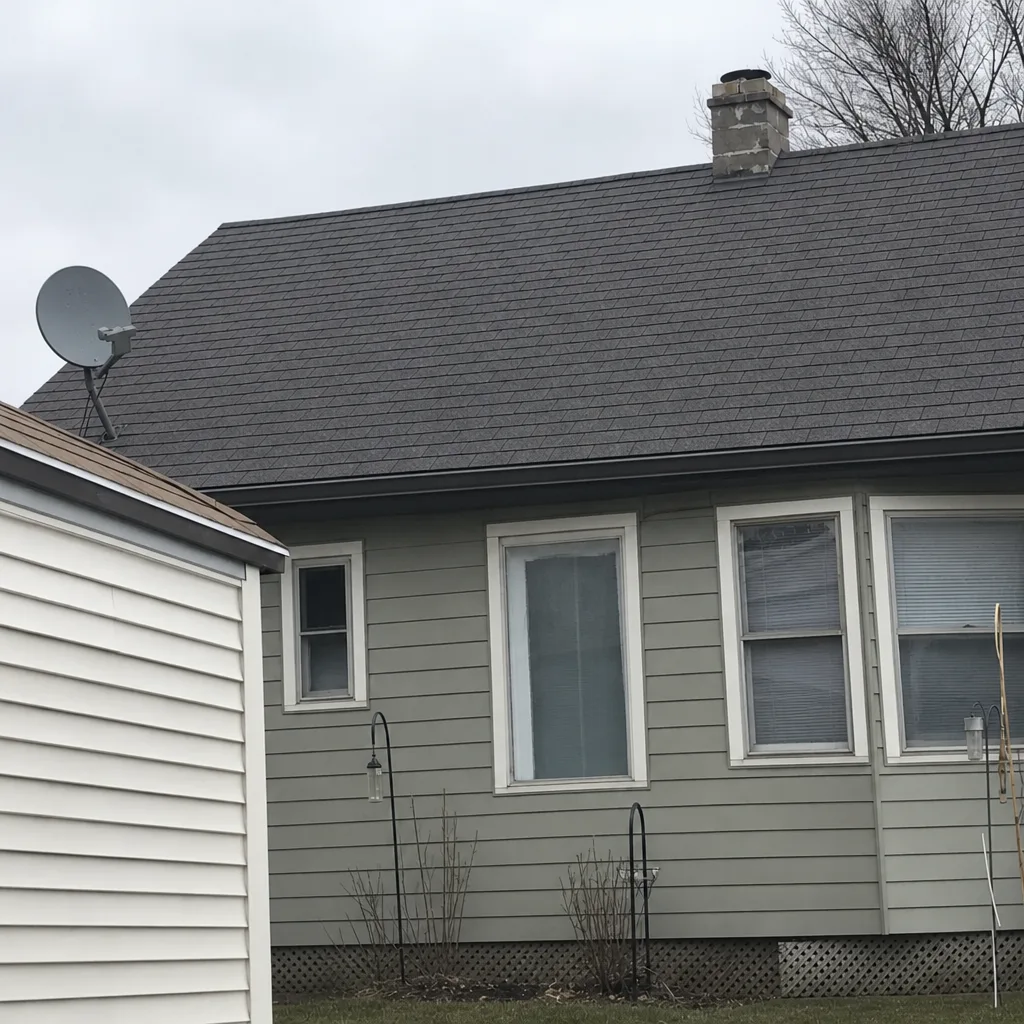
See the difference
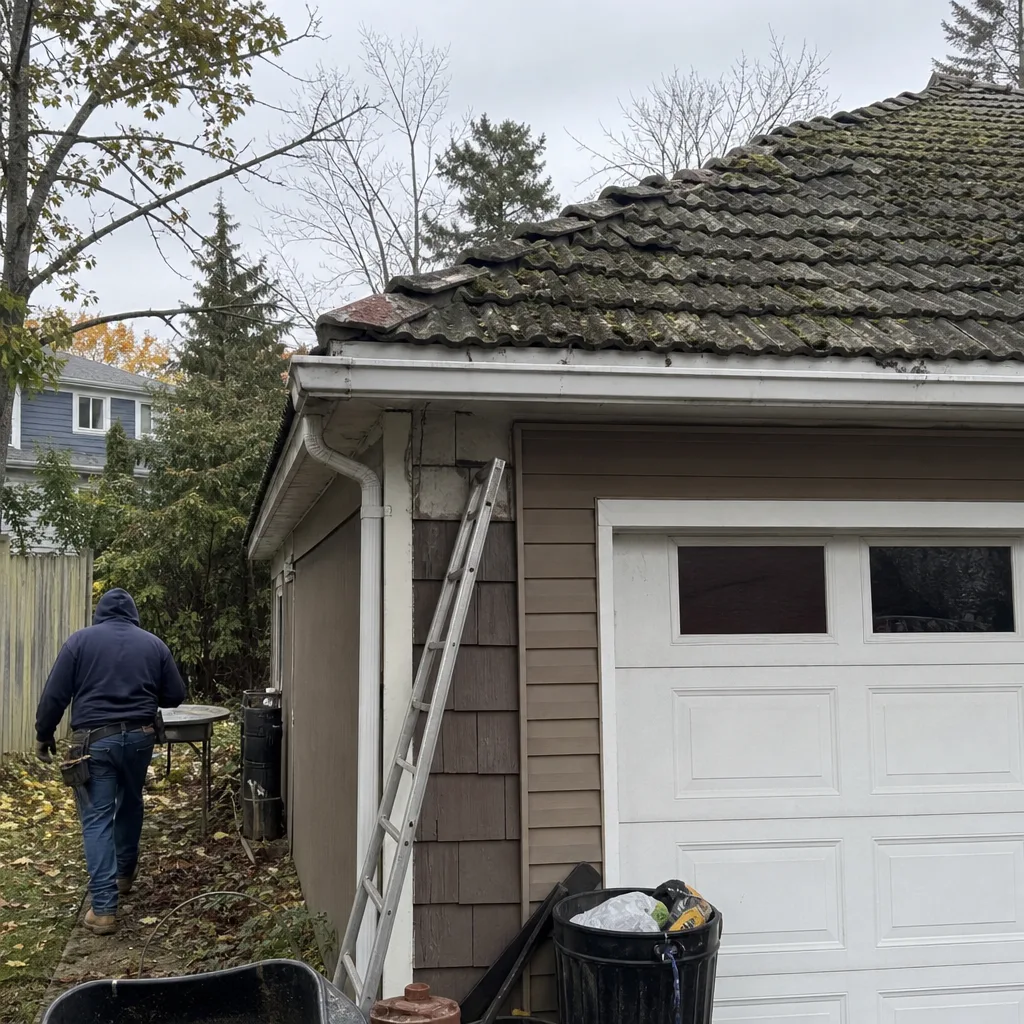 Before
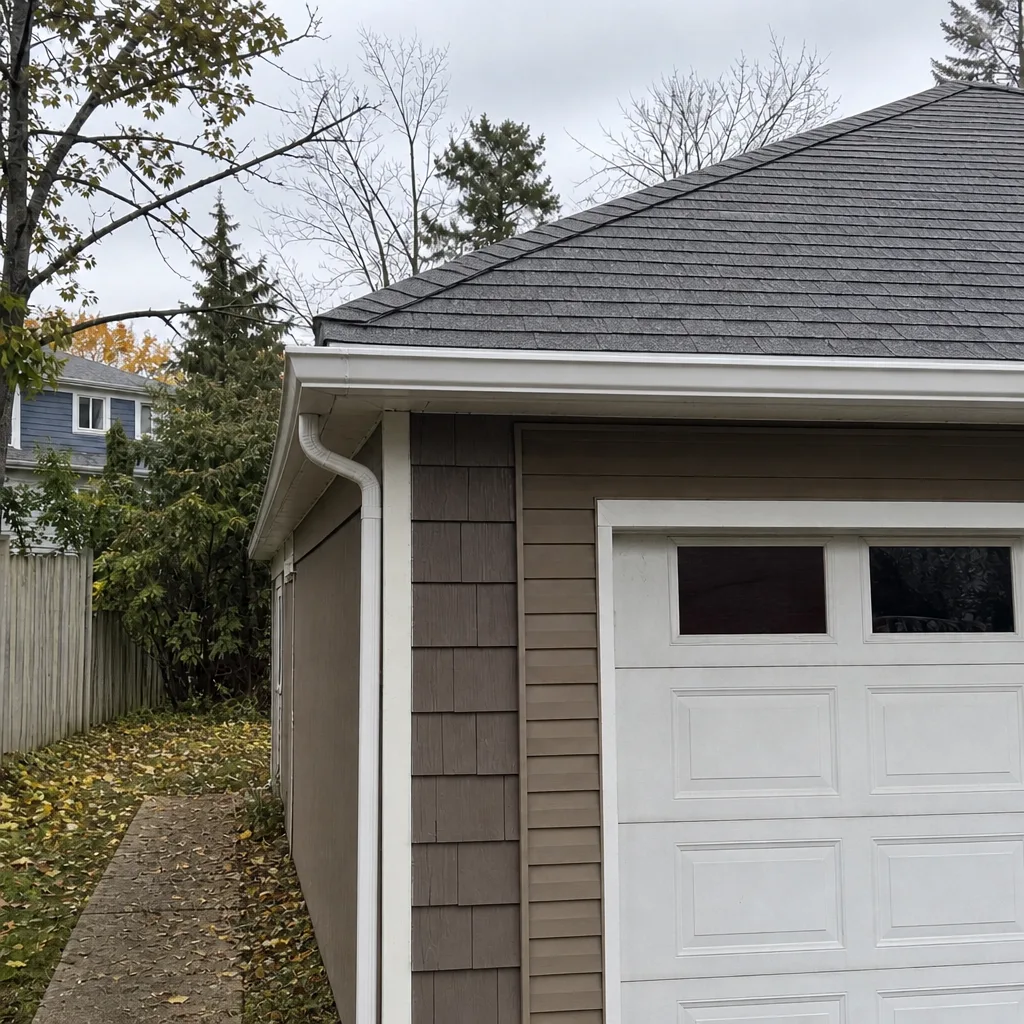 After
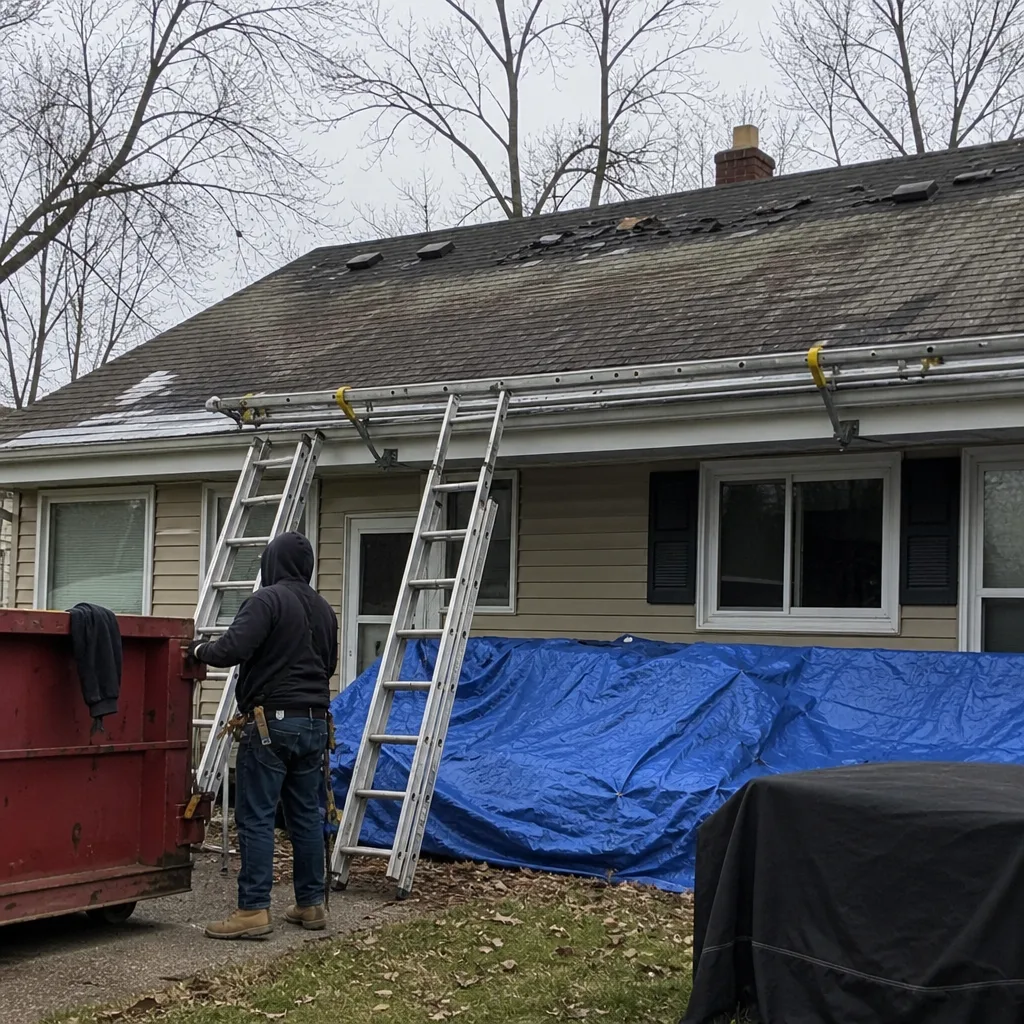 Before
 After
 Before
 After