
Last updated November 14, 2026
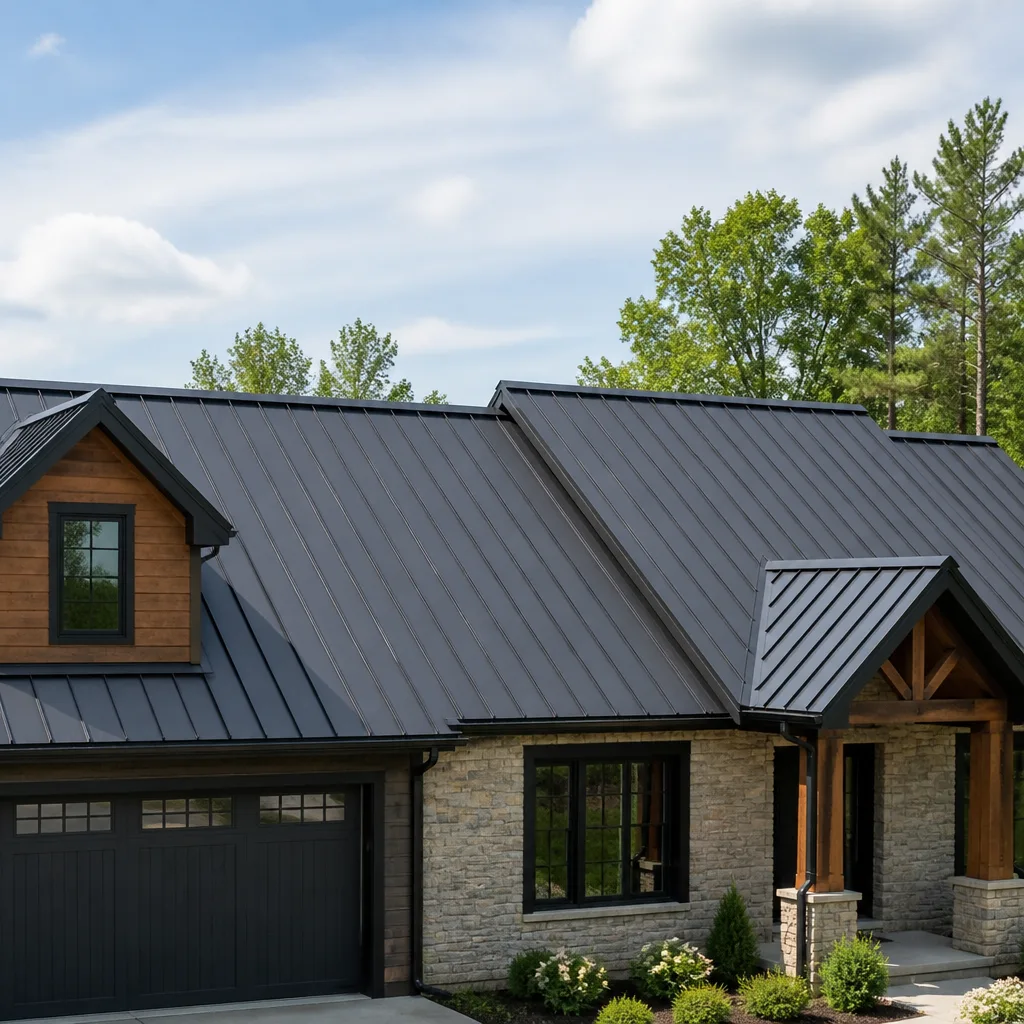 Metal roofing
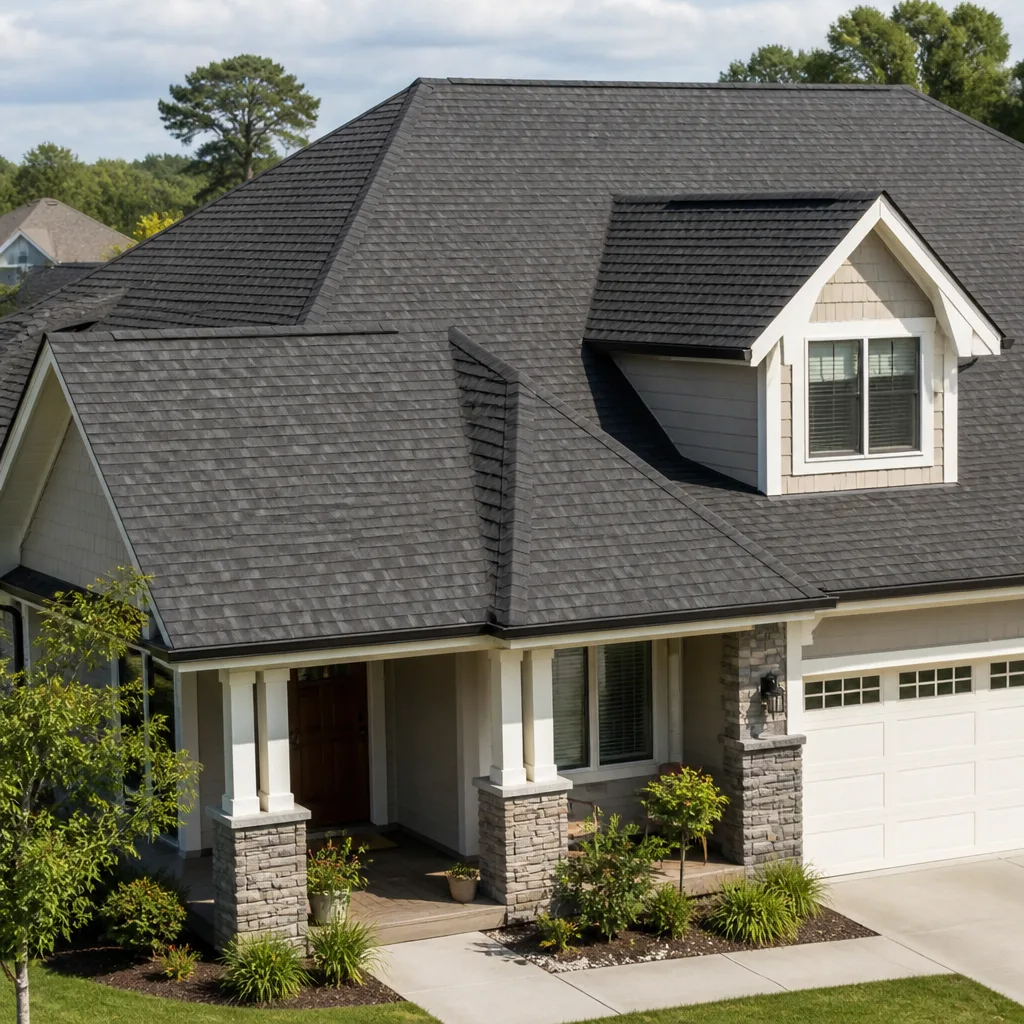 Architectural shingles
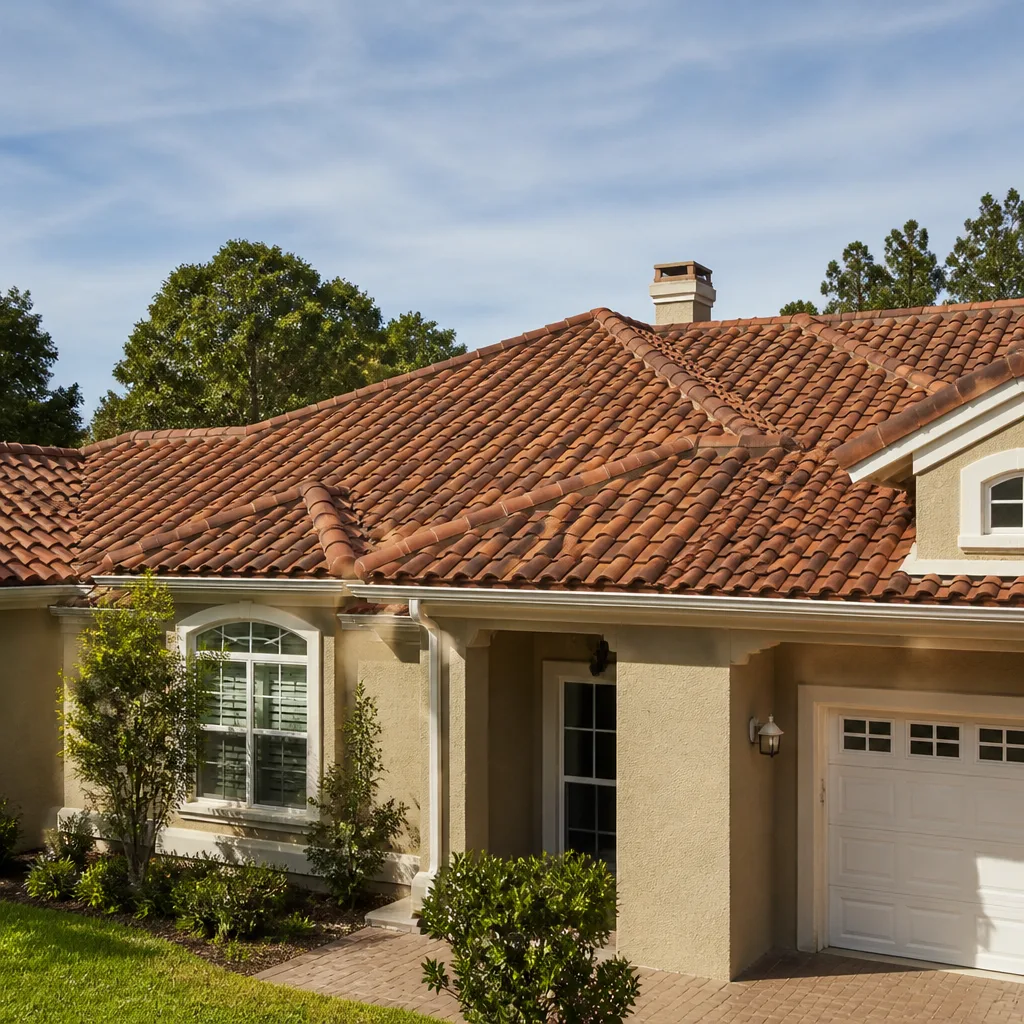 Tile roofing
 GAF
 Owens Corning
 Flat & low-slope
Free roof inspection with deck photos before we talk money - GAF and Owens Corning certified installation
The Complete Guide to Roofing in Buffalo
Buffalo averages 94 inches of snow per year, but the structural threat isn’t the accumulation. It’s the 40-degree temperature swing between a February thaw and a March refreeze happening inside your shingle layers. Most national roofing guides treat Buffalo as just another cold-weather market. That’s a mistake. A roof here faces a specific sequence of stress: lake-effect moisture, heavy snow load, rapid thaw, deep freeze, repeat. This guide explains what that cycle does to different roofing materials, how to diagnose what you’re actually seeing, and when repair makes more sense than replacement. You’ll finish knowing how Buffalo’s climate should shape every roofing decision you make.
Quick Answer
Roofing in Buffalo requires materials and installation techniques built for lake-effect snow, freeze-thaw cycling, and wind-driven moisture from Lake Erie. The right approach starts with a professional inspection that identifies whether you need targeted repair or full replacement. Homeowners should prioritize attic ventilation, ice dam prevention, and materials rated for thermal shock, not just cold temperatures.
Styles & brands we work with
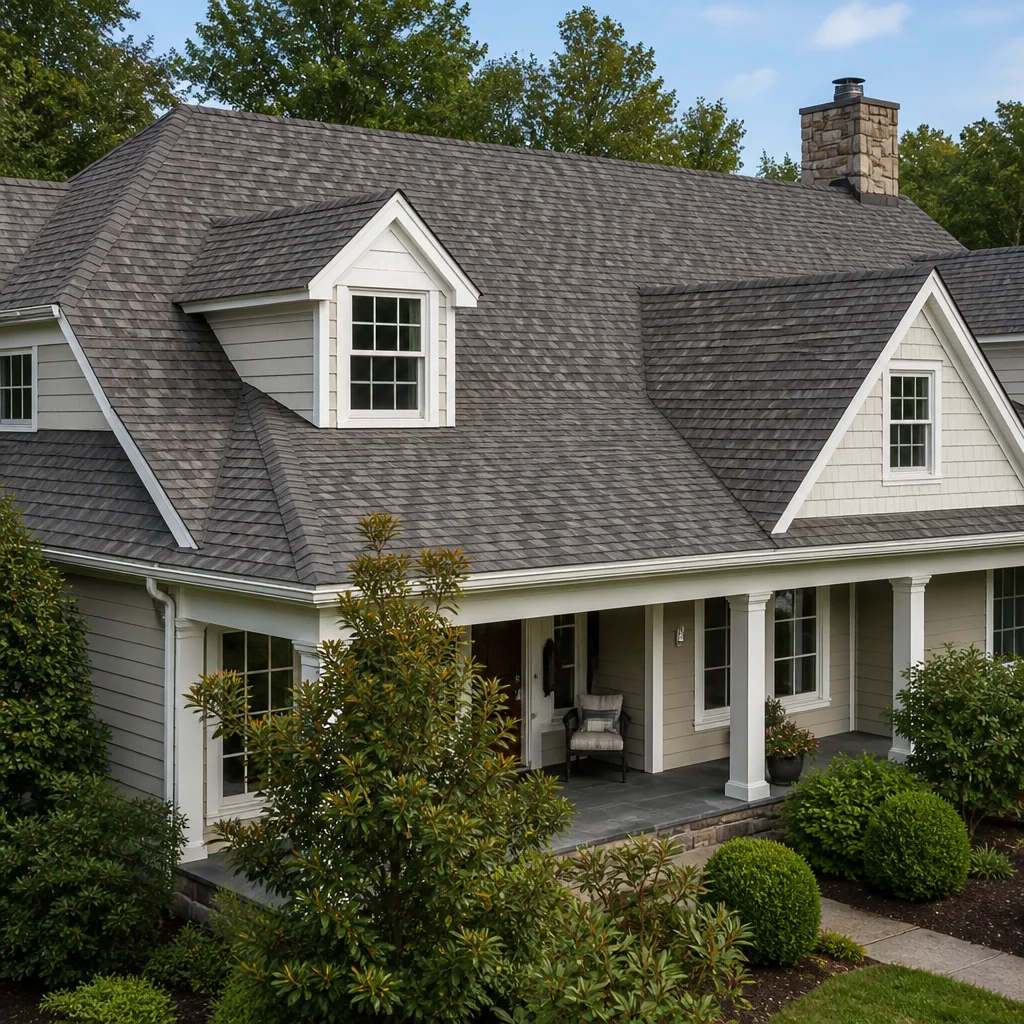
- Architectural shingles
- Metal roofing
- Tile roofing
- GAF
- Owens Corning
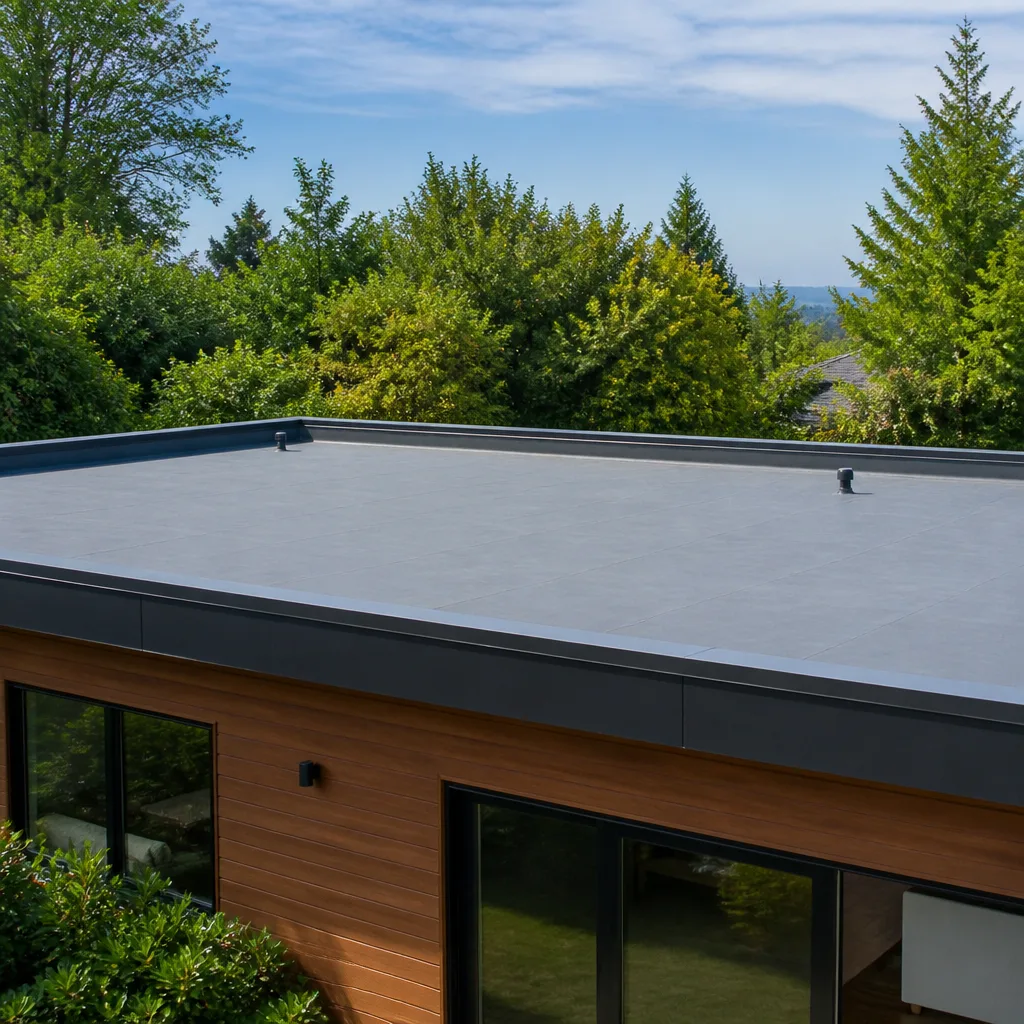
- Flat & low-slope
Table of Contents
- Why Buffalo’s Climate Demands a Different Roofing Approach
- The Freeze-Thaw Cycle: Buffalo’s Real Roof Killer
- Ice Dams: Insulation vs. Ventilation (Two Different Problems)
- Material Performance Under Repeated Thermal Shock
- Reading a Buffalo Roof’s True Age Through Storm-Pattern Wear
- Why Inspection Comes Before Any Quote
- Repair vs. Replacement: Matching Scope to What the Roof Actually Needs
- Common Mistakes to Avoid
- When to Call a Professional
- Frequently Asked Questions
Why Buffalo’s Climate Demands a Different Roofing Approach
Lake Erie doesn’t just add moisture to the air. It changes how that moisture behaves when it meets a roof surface. Buffalo sits directly in the path of lake-effect weather patterns that push damp air across the city and drop it as snow when temperatures cooperate. The result is snow that lands wet and heavy, then freezes solid against shingle edges and flashing seams. Inland cities get dry snow that blows off. Buffalo gets snow that bonds.
What follows matters more than the snowfall itself. A roof in Buffalo goes through more freeze-thaw cycles in a single winter than roofs in most of the upper Midwest experience in three. Water finds its way into seams and under shingle tabs when temperatures climb above freezing. When the mercury drops again, that water expands by about nine percent as it turns to ice. The expansion pries at whatever it’s inside. Repeat that cycle dozens of times each season and you have a roofing environment unlike almost any other in New York State.
We’ve inspected roofs throughout Buffalo where the shingles looked fine from the curb but had lost their seal along the edges. The homeowner saw a roof that was only eight years old. What the roof actually had was eight winters of micro-expansion working against every seam. That’s why standard roofing advice written for general audiences applies only loosely here. The materials may be the same, but the conditions they face aren’t.
The Freeze-Thaw Cycle: Buffalo’s Real Roof Killer
Snow load gets the headlines. Freeze-thaw does the damage. When a Buffalo roof holds two feet of snow and the sun hits it from a clear February sky, the surface layer melts. That water runs down until it reaches the colder roof edge, where it refreezes. The cycle doesn’t stop there. It continues as long as temperatures oscillate around the freezing point, which in Buffalo can last for weeks.
The effect on roofing materials is cumulative and specific:
- Shingle seal failure: The adhesive strip that bonds one shingle to the next loses grip when water freezes beneath the tab. Repeated cycles break the seal permanently, letting wind lift shingles that look otherwise intact.
- Flashing stress: Metal flashing expands and contracts at a different rate than the shingles and wood around it. Every cycle works the caulk and fasteners a little looser.
- Underlayment fatigue: The water-resistant layer beneath shingles ages faster in Buffalo because it’s exposed to liquid water more often. It’s not just protecting during storms. It’s managing meltwater against ice.
- Nail backing: Ice that forms around nail heads can push them upward over time, a phenomenon called nail pop. It’s more common in freeze-thaw climates than anywhere else.
Understanding this cycle changes how you evaluate a roof. A shingle that shows curling at the edges after five years in Buffalo isn’t defective. It’s been subjected to a thermal workout that a roof in Nashville won’t see in thirty. Your expectations for roof lifespan need to be calibrated to the local climate, not to national averages printed on a warranty brochure.
Ice Dams: Insulation vs. Ventilation (Two Different Problems)
The words “ice dam” get used loosely, but there are actually two distinct conditions on Buffalo roofs, and the fixes are completely different. Confusing one for the other wastes money and often fails to solve the problem.
Insulation-driven ice dams happen when warm air from the living space leaks into the attic and heats the roof deck. Snow melts in the middle of the roof. The water runs down and freezes at the cold eaves, forming a dam that backs up more water behind it. The fix starts in the attic: sealing air leaks, adding insulation to reach the recommended R-value for Western New York, and making sure the attic floor is covered evenly. Roof work alone won’t stop these dams if the heat keeps escaping from below.
Ventilation-driven ice dams occur when the attic has enough insulation but can’t move cold air through the space properly. The roof deck stays warm because heat is trapped, not because extra heat is rising. The fix here is airflow: intake vents at the eaves, exhaust vents at or near the ridge, and a clear path between them. In Buffalo’s snow climate, ridge vents need to be paired with a snow-shedding strategy so they don’t get blocked for half the winter.
The distinction matters because so many homeowners pay for a roof replacement expecting ice dams to disappear, then watch them return the next winter. If the cause was insulation and the contractor only replaced shingles, nothing fundamental changed. An honest roof repair company will look at the attic before it touches the roof. We look before we quote because the roof is often the symptom, not the disease.
Material Performance Under Repeated Thermal Shock
Most material comparisons talk about temperature ratings. A shingle rated for 110 mph wind or a metal panel rated to -40 degrees. Those numbers matter, but they miss what Buffalo actually does to a roof. The local test isn’t steady cold. It’s oscillation.
Asphalt Shingles
Asphalt shingles are the workhorse of Buffalo roofing and remain the most common choice for good reason. They’re cost-effective, widely available, and when installed correctly they handle snow load well. Their vulnerability is the freeze-thaw cycle. The fiberglass mat inside the shingle doesn’t flex much, and repeated freezing can cause micro-cracks that eventually become visible splits. Premium architectural shingles handle this better than three-tab products because of their thicker construction. In our experience, the upgrade from basic three-tab to a dimensional shingle pays for itself in Buffalo conditions. Brands we work with regularly include GAF and CertainTeed, both of which make lines suited to high-moisture, high-cycle environments.
Metal Roofing
Metal roofing handles thermal shock better than any asphalt product. It expands and contracts as a single plane rather than thousands of individual seal points. Snow slides off quickly, which reduces the melt-freeze cycle at the roof surface. The tradeoff is upfront cost, which typically runs two to three times that of asphalt. Metal also amplifies sound during rain and hail unless the installer includes proper underlayment and insulation. For Buffalo homeowners planning to stay long-term, metal often becomes the financially sensible option despite the higher first cost. For those likely to sell within a decade, it’s harder to recover the premium.
Rubber and Synthetic Membranes
Low-slope and flat roofs in Buffalo need a different material strategy entirely. EPDM rubber and synthetic membranes such as TPO handle standing water and melt-freeze cycles without the seams that plague shingled low-pitch roofs. The key is installation quality along the seams and edges, where Buffalo’s wind drives rain and snow sideways. Boral and Tamko both offer membrane and tile products that hold up well in our climate when installed with attention to the flashing details.
Reading a Buffalo Roof’s True Age Through Storm-Pattern Wear
Calendar years tell you less about a Buffalo roof than most homeowners assume. Two roofs installed the same year can be in completely different condition depending on orientation, tree cover, and exposure to wind-driven precipitation. Here’s what to look for when you’re trying to understand what your roof has actually been through:
- Southwest-facing slopes age fastest. They absorb the most afternoon sun, which accelerates the thermal cycling that loosens shingle seals. If one slope of your roof looks noticeably worse than the others, this is usually why.
- Windward edges show scuffing and lifted tabs. The prevailing winds across Buffalo push rain and snow against specific roof edges more than others. Look at the corners and eaves facing the open lake, not the sheltered side.
- Valleys and transitions reveal granule loss first. Where two slopes meet, water volume concentrates. Granule loss in valleys that are less than ten years old signals either a poor original installation or a higher-than-average moisture load.
- Chimney and skylight flashing tells the true story. Shingles can look fine while flashing fails silently. If the metal around penetrations shows rust, lifted caulk, or visible gaps, the roof’s effective age exceeds its calendar age.
- Interior clues confirm what the outside suggests. Check the attic for dark streaks on the underside of the sheathing, which indicate past moisture intrusion. Ceiling stains that appear in late winter rather than after summer storms point to ice dam activity rather than rain leaks.
This is why we treat every Tidewater Roof Repair assessment as a diagnostic exercise, not a sales call. The roof tells us its history if we’re willing to look carefully.
Why Inspection Comes Before Any Quote
A roof quote without an inspection is a guess with a dollar sign attached to it. In Buffalo, where the same visible symptom can have three different underlying causes, that guess is especially unreliable. This is the core reason our inspection-first process matters.
Here’s the six-point inspection sequence we follow, and what you should expect from any thorough Buffalo roofing contractor:
- Ground-level assessment: We walk the property perimeter to observe shingle condition, slope orientation, tree overhang, and eave overhang. This tells us where to look more closely.
- Roof surface examination: We check shingle seal integrity, granule retention, flashing condition around penetrations, and valley wear. We look for signs of wind lift and impact damage.
- Attic evaluation: We inspect insulation depth and coverage, ventilation airflow, visible sheathing condition, and any signs of moisture staining or mold. This is where ice dam causes are identified.
- Moisture intrusion mapping: We look for evidence of how water has moved through the roof system, if at all. Water stains, rust on fasteners, and sheathing discoloration all tell us where the roof has been failing quietly.
- Photographic documentation: We record what we find so you can see the condition yourself. There’s no reason to ask a homeowner to trust a diagnosis they can’t verify.
- Written findings and recommendation: You get a clear written report explaining what we found, what it means, and what the options are. If repair is appropriate, we tell you. If replacement is necessary, we explain why with specific evidence.
This approach changes the dynamic. You’re not being sold a roof. You’re being shown the condition of the roof you already have.
Repair vs. Replacement: Matching Scope to What the Roof Actually Needs
The most expensive roofing mistake in Buffalo is replacing a roof that needed repair. The second most expensive is repairing a roof that needed replacement. Getting this decision right requires honest assessment, which is what the inspection-first process provides.
Repair Is Usually Right When:
- The roof is less than 12-15 years old and the problem is localized to a specific area.
- Flashing has failed around a chimney, skylight, or vent but the shingle field is otherwise sound.
- Storm damage has affected a section of the roof but the underlying structure is intact.
- An ice dam caused isolated water intrusion that hasn’t compromised the sheathing.
- The homeowner needs to extend the roof’s life for another 3-5 years while budgeting for replacement.
Replacement Is Usually Right When:
- Shingle seal failure is widespread across multiple slopes rather than isolated.
- Granule loss exposes the fiberglass mat on more than 30 percent of the roof surface.
- The sheathing below the shingles has been compromised by repeated moisture exposure.
- The roof is at or beyond its expected lifespan for Buffalo conditions, which is typically 15-20 years for standard architectural shingles.
- Multiple repairs have been done over the years and the cumulative cost is approaching replacement territory.
The right answer is determined by evidence, not by a sales target. When roof replacement is the honest recommendation, we can explain exactly why. When repair is sufficient, we say so. Having access to seven different manufacturers – including GAF, CertainTeed, Owens Corning, IKO, Atlas, Tamko, and Boral – means the material choice follows the roof’s condition and your budget, not a supplier contract. You’re not limited to what one brand makes.
Common Mistakes to Avoid
- Skipping the attic inspection: Many Buffalo homeowners get roof work done without anyone ever checking the attic. That’s like treating a symptom while ignoring the cause. Your attic holds the answers to ice dam and ventilation questions.
- Choosing materials based on national averages: Products marketed as “market leaders” might be excellent, but the right product for a Buffalo roof has to handle freeze-thaw cycling specifically. What works in Dallas may be the wrong choice here.
- Re-roofing over failed ventilation: New shingles installed over an unventilated or poorly insulated attic will fail early. The ventilation problem doesn’t disappear when the old shingles do.
- Ignoring flashing while it’s still “working”: Flashing often fails before shingles do. Replacing shingles without addressing aged flashing leaves the roof’s most vulnerable points exposed to Buffalo wind-driven moisture.
- Accepting a quote without an inspection: Any price given before someone has walked your roof and checked your attic is an estimate in the loosest sense. You can’t price what you haven’t seen.
- Assuming snow removal is always necessary: In most winters, a properly designed Buffalo roof handles normal snow load without intervention. Improper snow removal can damage shingles more than the snow itself. Only remove snow when accumulation exceeds design limits or ice dams are actively causing leaks.
- Prioritizing appearance over drainage: A beautiful roof that doesn’t shed water properly is a liability. Grades, valleys, and drainage paths matter more than curb appeal in a lake-effect climate.
When to Call a Professional
You should call a professional when you see interior water stains appearing during or after winter thaws, when shingles are curling or lifting on multiple slopes, when the attic shows moisture damage or inadequate ventilation, when the roof is beyond 15 years old and hasn’t been professionally assessed in the last several years, or when you’re preparing to sell a Buffalo home and need to understand the roof’s condition before listing. These situations involve either active moisture intrusion or structural unknowns that can’t be resolved with a visual check from the ground. Tidewater Roof Repair offers free estimates in Buffalo. Call (866) 389-4577 to schedule an inspection and get an honest assessment of what your roof actually needs.
Frequently Asked Questions
Standard architectural asphalt shingles typically last 15 to 20 years in Buffalo conditions, assuming proper installation and attic ventilation. The freeze-thaw cycle and lake-effect moisture shorten lifespan compared to drier, milder climates. Premium shingles and metal roofing can extend that range, but ventilation quality matters as much as material choice. Call (866) 389-4577 for an assessment of your roof’s specific condition.
Roof replacement costs vary widely based on material, roof size, slope, and condition of the existing structure. A written estimate from a contractor who has inspected the roof is the only reliable figure. Replacement involves removing old materials, potentially replacing damaged sheathing, and installing new underlayment and shingles, each of which affects the total.
Yes, but only by addressing the root cause. Insulation-driven ice dams require sealing air leaks and adding attic insulation. Ventilation-driven ice dams require improving airflow through the attic. In some cases both issues are present and both need attention. Replacing shingles alone won’t stop ice dams from returning.
Metal roofing handles freeze-thaw cycling and snow shedding better than asphalt, but the upfront cost is significantly higher. Metal makes financial sense for homeowners staying long-term, while asphalt typically makes more sense for those planning to sell within a decade. The right answer depends on circumstances, not a blanket recommendation.
Most of the time, no. A properly designed roof handles normal Buffalo snow loads without intervention. Snow removal only becomes necessary when accumulation exceeds design limits or an ice dam is actively causing leaks. Improper snow removal can damage shingles and create new problems.
The answer depends on what the inspection finds. If repairs will address the visible and underlying issues, they’re often the right call before listing. If the roof is at the end of its lifespan, replacement may be necessary to avoid a sales-price reduction or a failed inspection. Get an honest assessment before deciding.
The Bottom Line
Roofing in Buffalo is its own discipline because the local climate doesn’t just test roofs. It interrogates them. Lake-effect moisture, freeze-thaw cycling, and wind-driven precipitation expose every weak seam, every inadequate vent, every shortcut in flashing. The homeowners who fare best are those who understand that inspection comes first, that repair and replacement each have their place, and that material choice should follow Buffalo conditions, not national averages. A roof here doesn’t fail from one dramatic storm. It fails gradually, cycle by cycle, and the warning signs are visible if you know where to look. Knowing what you now know, you do.
Written by the team at Tidewater Roof Repair, serving Buffalo since 2011.
See the difference
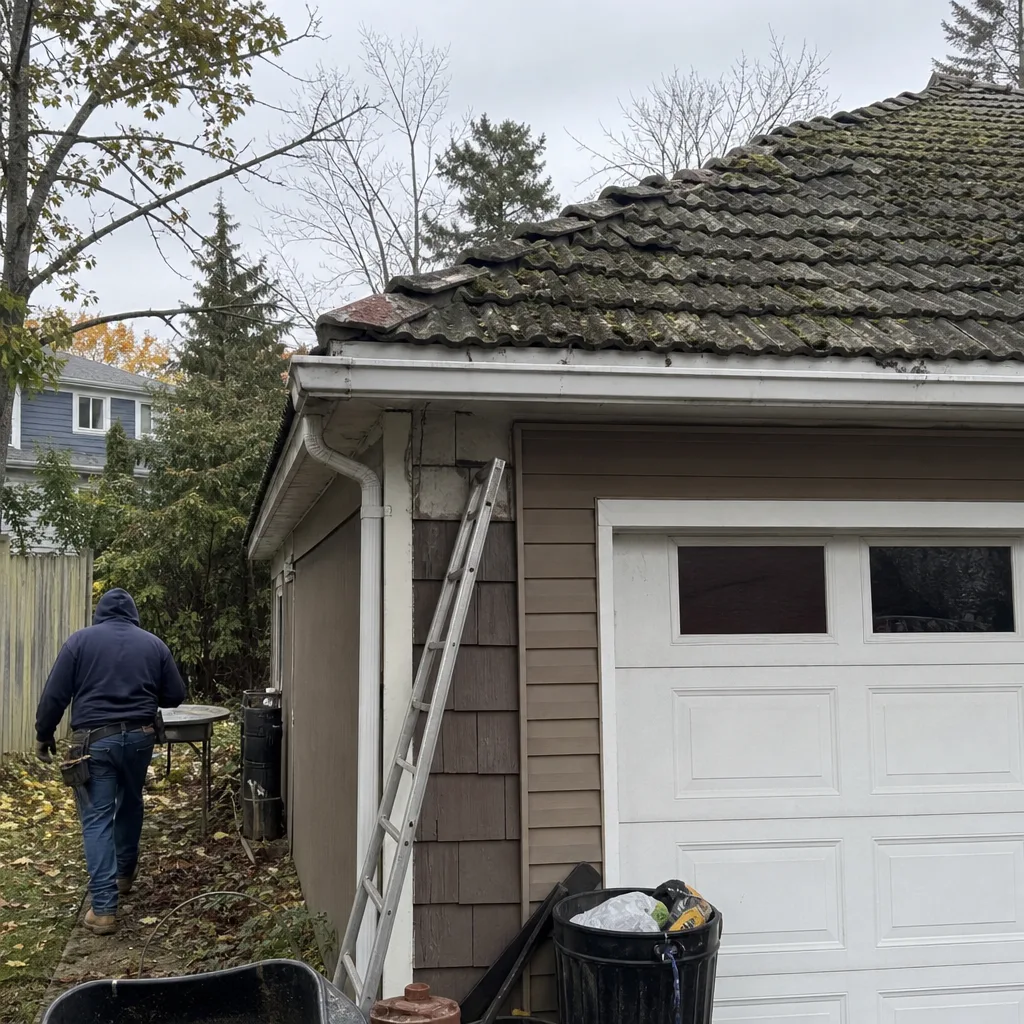 Before
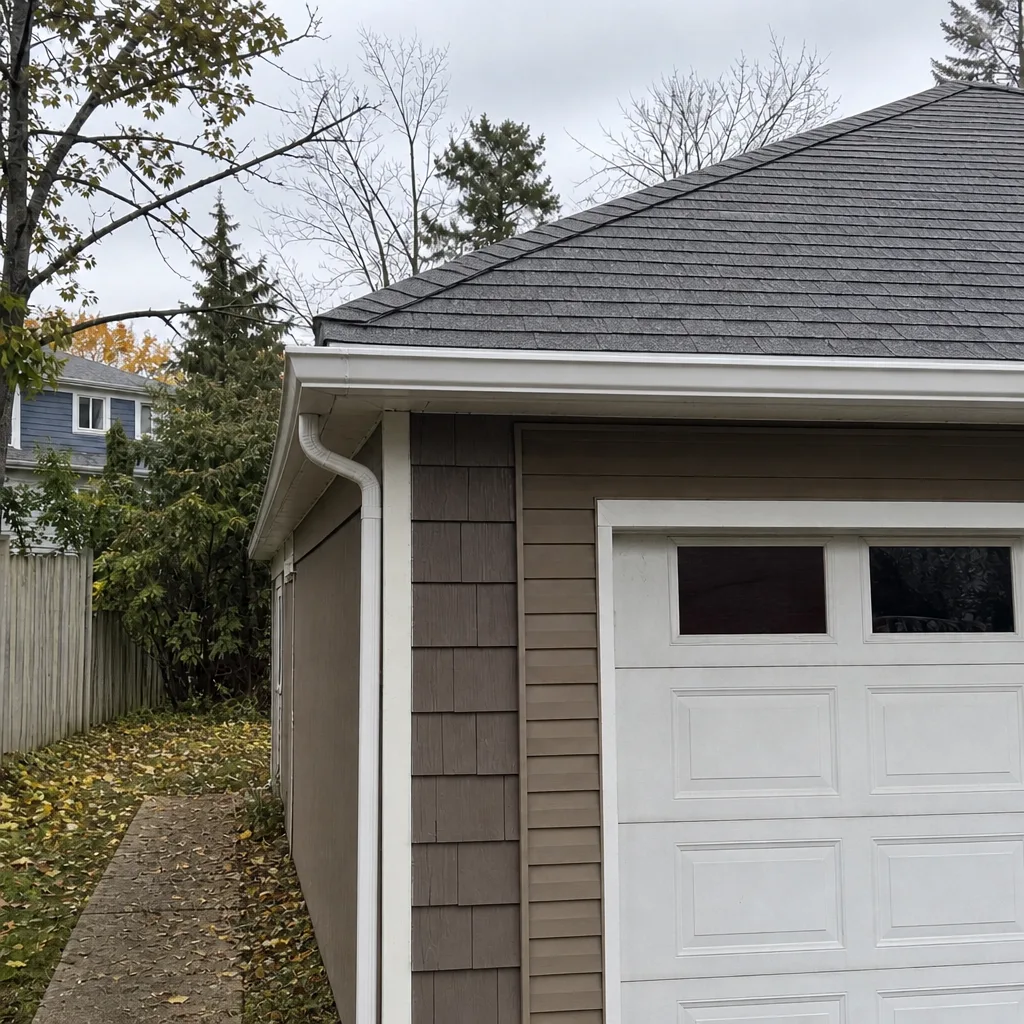 After
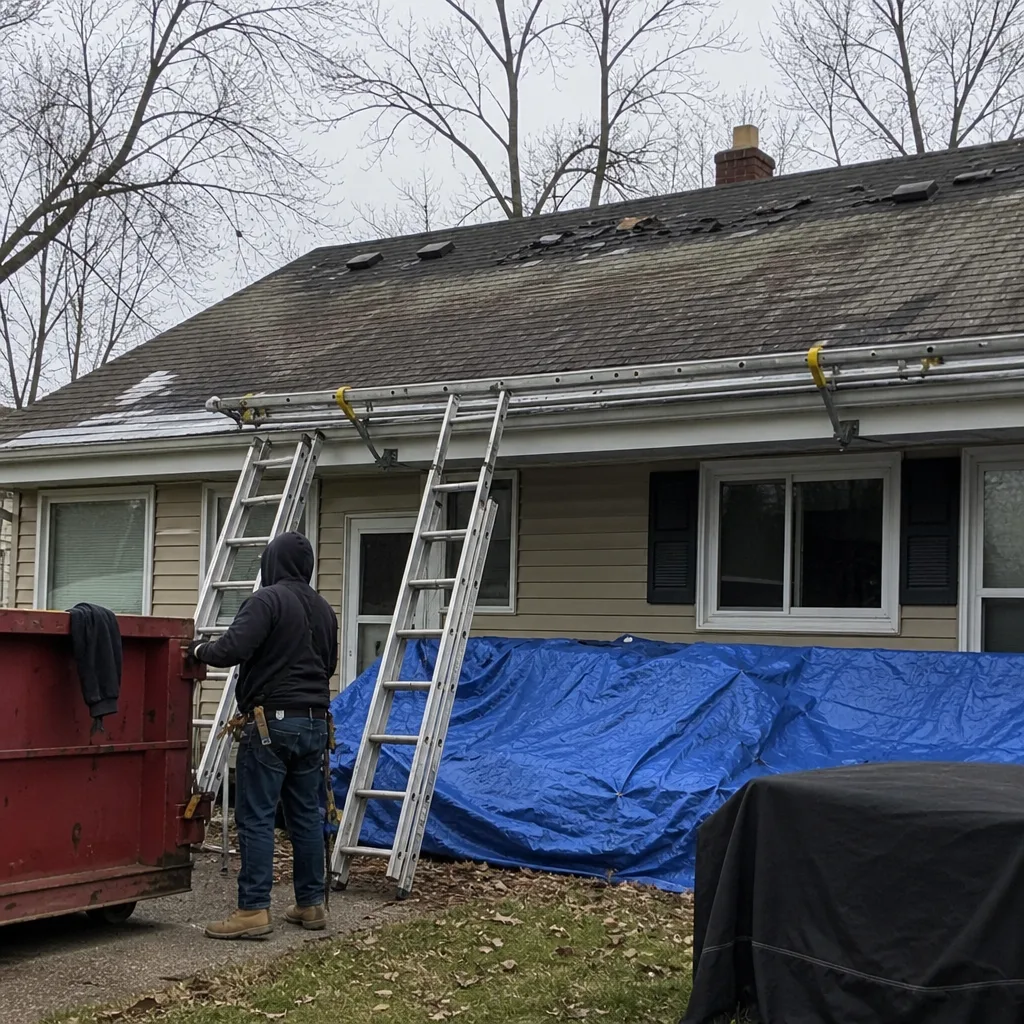 Before
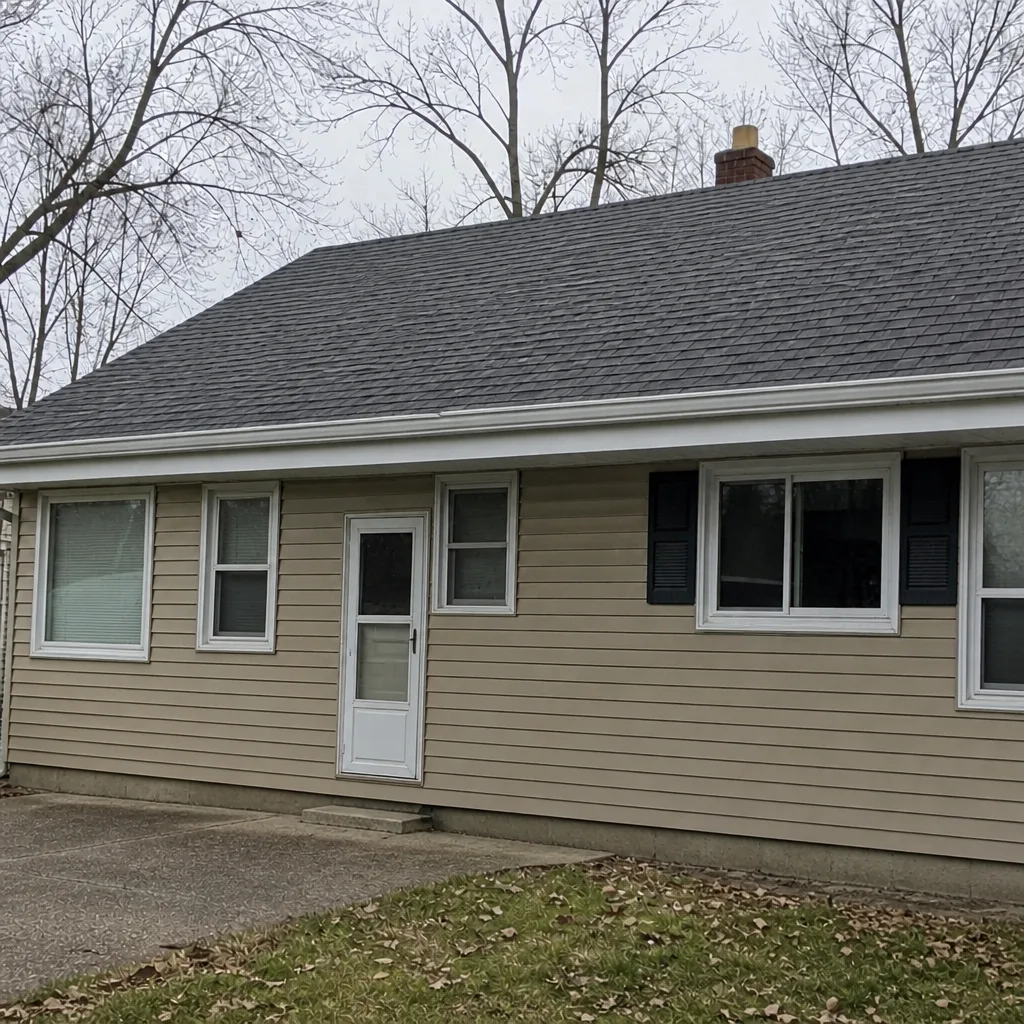 After
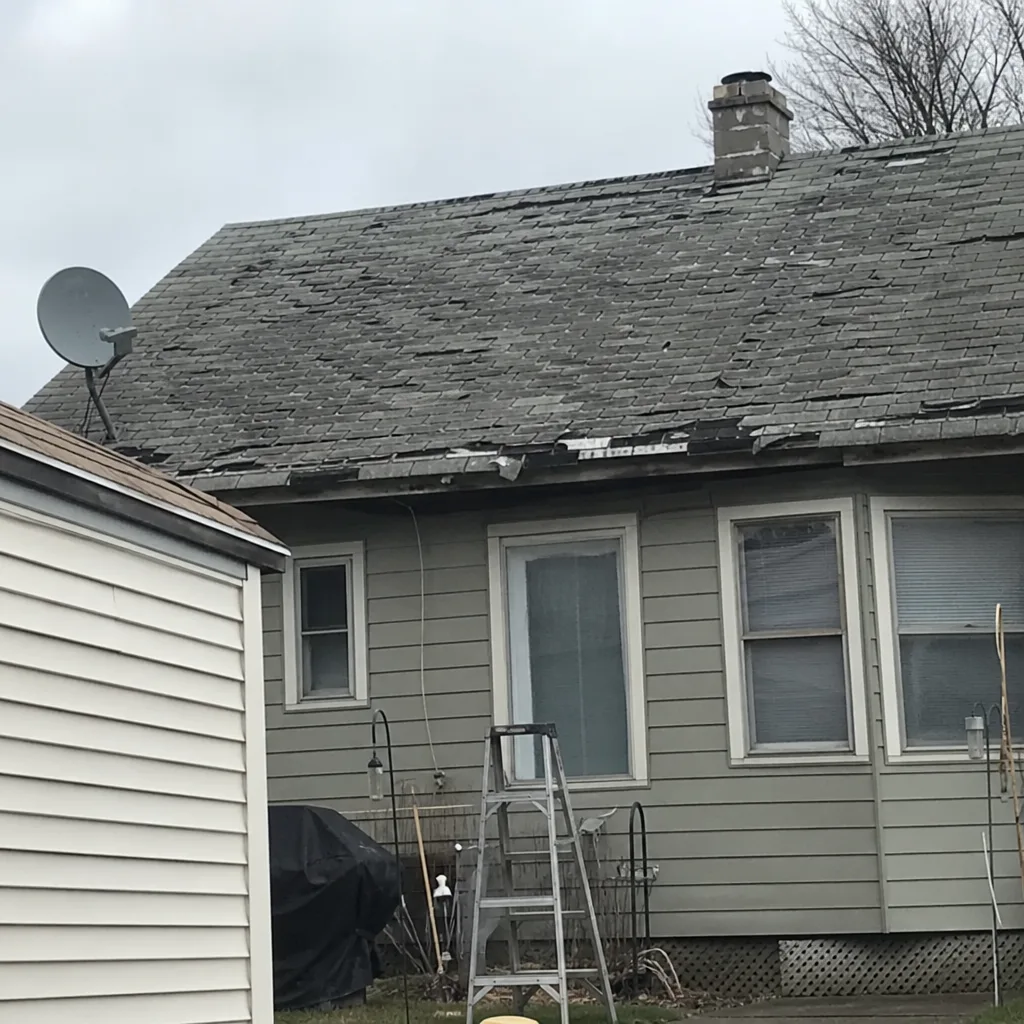 Before
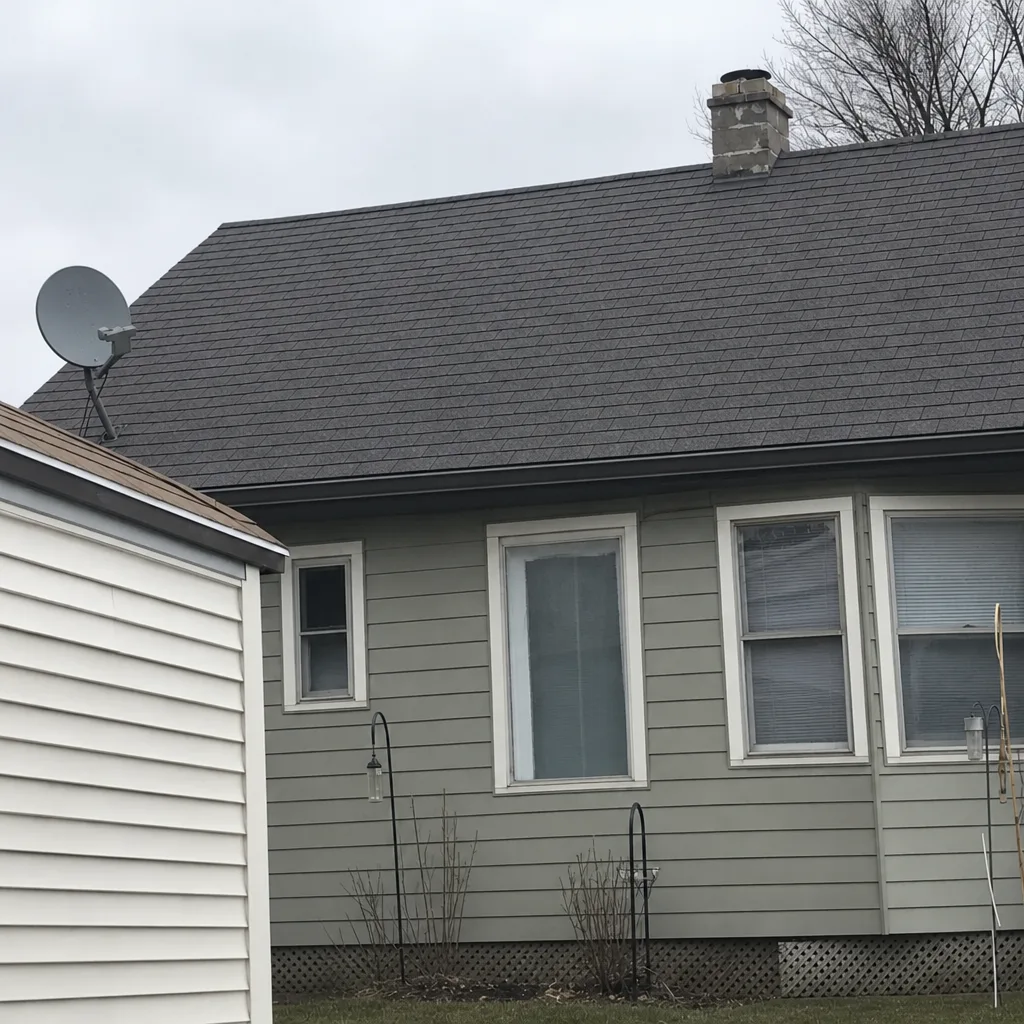 After