
Last updated November 14, 2026
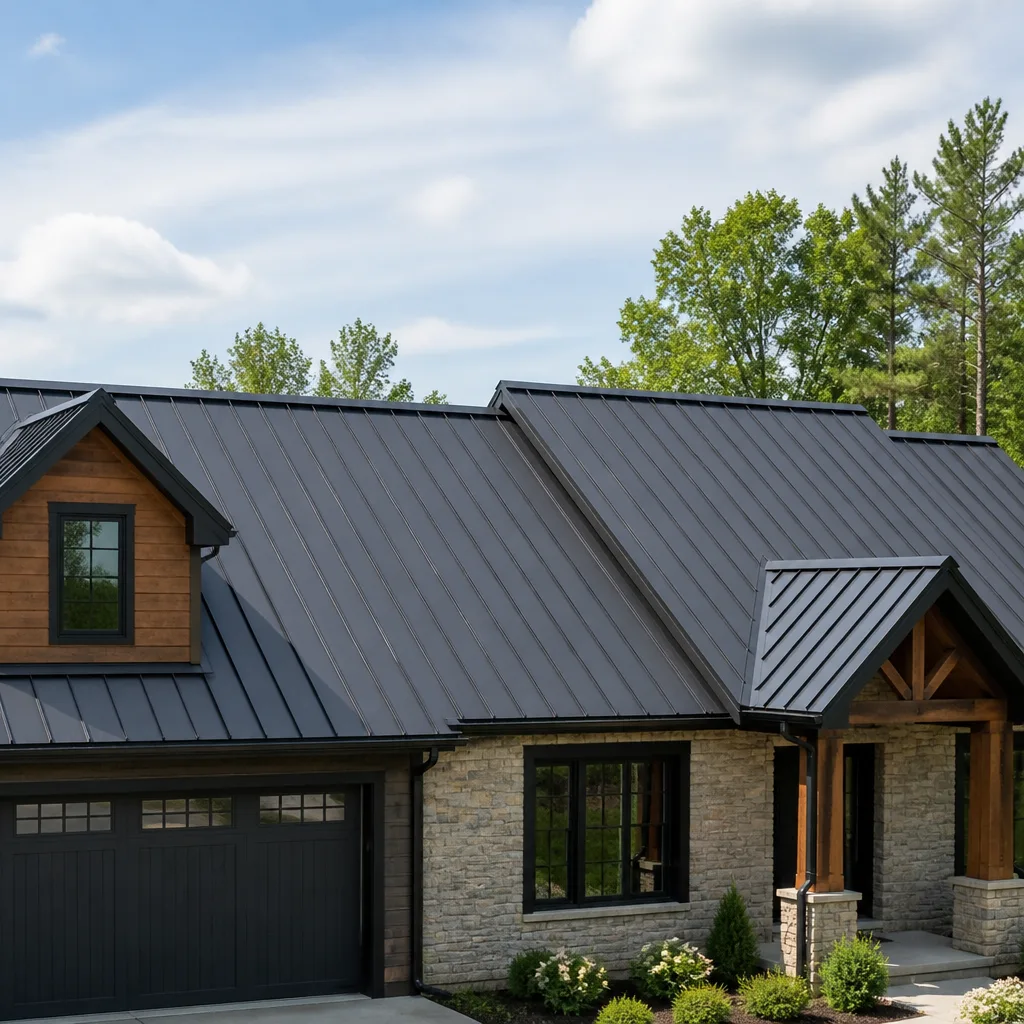 Metal roofing
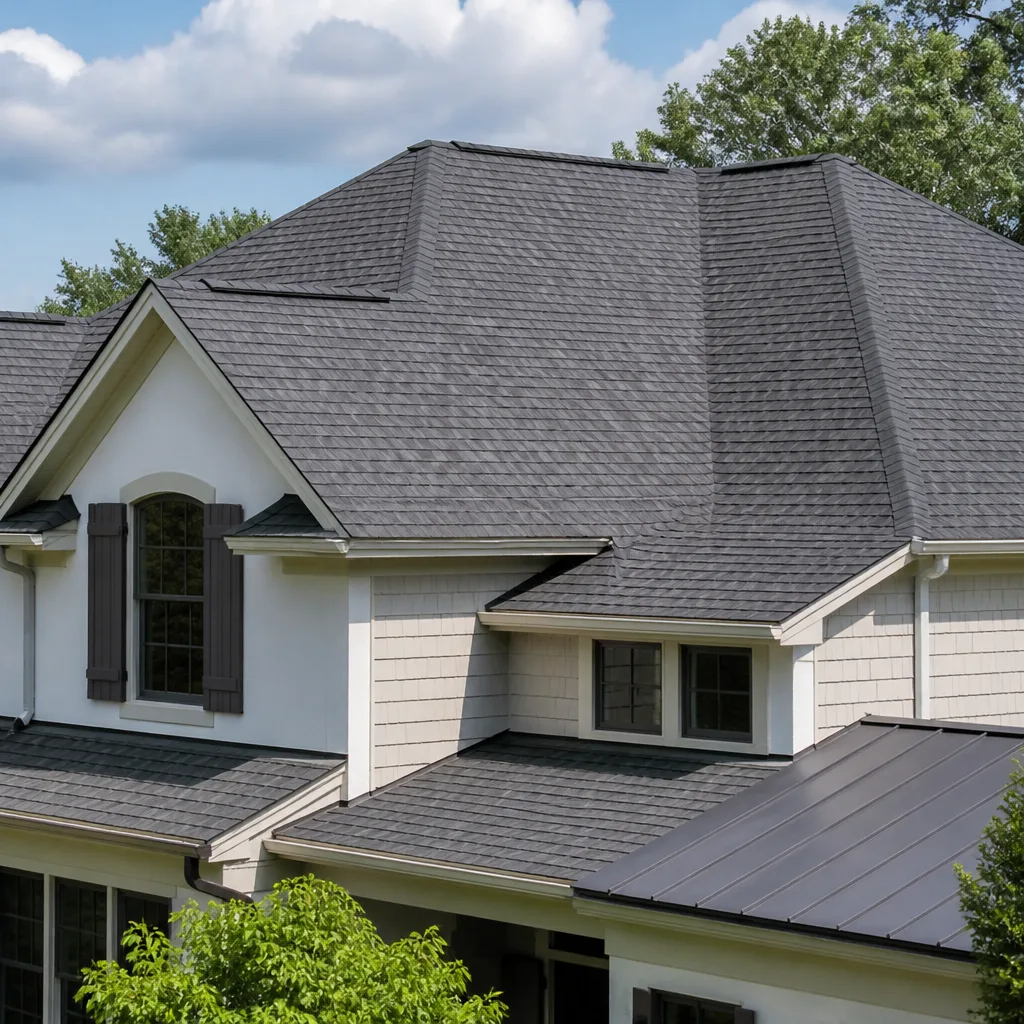
 Architectural shingles
 Tile roofing
 GAF
 Owens Corning
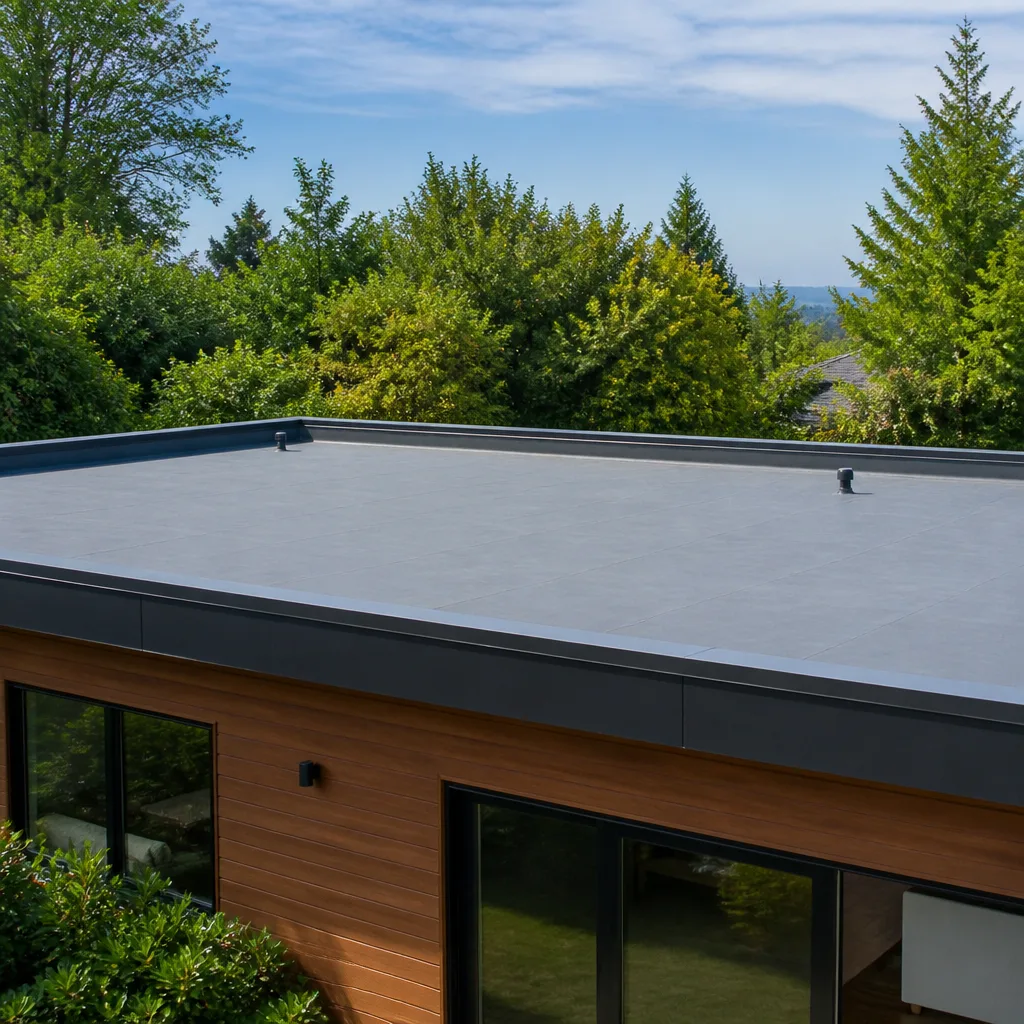 Flat & low-slope
Free roof inspection with deck photos before we talk money - GAF and Owens Corning certified installation
Roofing Emergency Preparedness Guide for Buffalo Homes
When a roof fails during a lake-effect event, the storm isn’t over. The snow keeps falling, the wind keeps driving moisture sideways, and every temporary mitigation decision gets made under active weather conditions. Homeowners who’ve thought through that scenario in advance make better decisions than those who haven’t. This guide explains the three Buffalo-specific storm patterns that cause most roofing emergencies, what visible signals indicate active versus contained damage, and the interim actions you can take safely before a contractor arrives. You’ll also learn how to document damage for Erie County insurance adjusters and how to prepare your roof before November so emergency response is execution rather than scrambling.
Quick Answer
Roofing emergency preparedness in Buffalo means understanding how lake-effect snow loads, freeze-thaw cycles, and straight-line winds each stress a roof differently, then taking specific interim actions – interior water diversion, safe attic assessment, temporary covering – before calling a contractor. The most effective homeowners assemble pre-season materials and roof-condition records, document storm damage immediately with sequenced photos, and triage contractor calls with the right information to get to the front of the response queue. Tidewater Roof Repair provides inspection, repair, and replacement services for Buffalo homeowners dealing with storm-related roof failures.
Styles & brands we work with
- Architectural shingles
- Metal roofing
- Tile roofing
- GAF
- Owens Corning
- Flat & low-slope
Table of Contents
- The Three Buffalo Storms That Damage Roofs
- Active Damage vs. Contained Damage: Reading the Signals
- Safe Interim Actions Before a Contractor Arrives
- Documenting Storm Damage for Erie County Insurance Claims
- How to Triage a Contractor Call During a Widespread Storm
- Pre-Season Emergency Preparedness: What to Assemble Before November
- Material Selection After a Storm: Why Brand Variety Matters
- Working With Your Insurer: What Buffalo Homeowners Need to Know
The Three Buffalo Storms That Damage Roofs
Buffalo roofing emergencies don’t happen randomly. They cluster around three specific weather patterns, each with its own signature failure mode. Understanding which pattern you’re dealing with tells you what to watch for and what to do first.
Lake-Effect Snow Loading
Lake-effect snow doesn’t fall like ordinary snow. It arrives in bands, sometimes dropping two to three inches an hour for extended periods. The weight accumulates faster than it can slide or sublimate, especially on low-pitch roofs. Flat and low-slope roofs on older Buffalo homes – common in neighborhoods like South Buffalo, Kaisertown, and the Fruit Belt – are particularly vulnerable because snow has no natural shedding path.
The failure mode here is structural deflection rather than water infiltration. You’ll notice interior doors suddenly sticking, new drywall cracks along ceiling corners, or a subtle dip visible along the roof line from the street. These are warning signs of excessive load, not leaks. The appropriate response is snow removal from the ground with a roof rake if safely reachable, or calling a professional for more complex situations.
Freeze-Thaw Infiltration
Buffalo winters run warm-cold-warm in cycles that few other cities experience. Daytime temperatures above freezing melt snow on the roof; nighttime drops below 20°F refreeze the meltwater. This cycle drives water into hairline cracks, under loose shingle tabs, and behind flashing, where it freezes and expands. Each cycle widens the opening.
The visible signal is usually interior: water stains that appear on ceilings or walls, often days or weeks after a thaw cycle. The damage is already done by the time you see the stain. Freeze-thaw infiltration is the most common roof repair trigger in Buffalo, and it’s why spring inspection calls spike every year.
Wind-Driven Rain Events
Straight-line wind events in western New York frequently accompany fall and early winter storms. Gusts of 50 to 70 mph drive rain horizontally, pushing water under shingles that would shed vertical rainfall without issue. The failure mode here is immediate and obvious: water entering through the roof deck during or shortly after the storm.
The telltale signal is active dripping in the attic or water running down interior walls during the storm itself. This differs from freeze-thaw damage, which shows up later. Wind-driven rain also tends to damage one specific roof plane – the windward side – rather than causing uniform problems.
Active Damage vs. Contained Damage: Reading the Signals
Not every roofing emergency requires an immediate contractor response at 2 AM. Some conditions are active threats that will worsen by the hour; others are contained problems that can wait until morning or the next day. Knowing the difference keeps you from either overreacting or under-responding.
Signs of Active Damage
Active damage means water is currently entering the structure or the roof’s integrity is deteriorating in real time. These situations require immediate interior action and prompt contractor contact:
- Active dripping or running water in the attic or through a ceiling fixture during a storm
- A visible hole or penetration caused by a fallen branch or wind-blown debris
- Sagging ceiling drywall that is visibly bowing under collected water weight
- Shingles peeling back in sheets during high wind, exposing bare decking
- Any structural deflection – a roof line that appears wavy or dipped when it was straight before
Signs of Contained Damage
Contained damage means the failure happened, but water is not currently entering at a significant rate, and the structural situation is stable. These conditions still need attention, but they don’t require overnight emergency response:
- A dried water stain on a ceiling that appears after a thaw cycle but is not actively wet
- Missing shingle tabs spotted after a wind event, with no interior water evidence
- Granules collecting in gutters indicating shingle wear that hasn’t yet caused leaks
- Lifted flashing around a chimney or vent that hasn’t admitted water yet
- Ice dam formation visible at the eaves with no interior staining present
In our experience, Buffalo homeowners frequently misjudge which category they’re in. A dramatic-looking ice dam at the eaves may be doing nothing while a hairline crack in valley flashing is quietly admitting water into the attic. The diagnostic question is always: is water entering the living space, or isn’t it? Answer that honestly, and your response priority becomes clear.
Safe Interim Actions Before a Contractor Arrives
When a roof failure happens during active weather, professional help may be hours or days away, especially during a widespread event when every contractor in Buffalo is overloaded. The interim actions below protect your home without creating insurance complications or personal safety risks.
Interior Water Diversion
If water is entering through the ceiling, your first job is controlling where it goes. Water that pools in ceiling drywall will eventually collapse it, turning a minor leak into a flooded room and destroyed possessions.
- Locate the entry point and place a bucket or container directly beneath it.
- Punch a small drainage hole in the exact center of any sagging drywall bulge using a screwdriver or awl. This releases collected water in a controlled location rather than letting the drywall fail unpredictably.
- Move furniture and valuables away from the affected area, as ceiling failure can extend beyond the visible stain.
- Lay down plastic sheeting or tarps over floors to prevent water from seeping into hardwood or carpet pad.
- If water is running down an interior wall, place towels at the base and remove outlet covers in the affected wall to check for water near electrical boxes. If you find water there, shut off the circuit at the breaker panel.
Attic Access Protocols
If you can safely access your attic, a visual inspection can tell you a lot. But attic access during a roof failure requires caution.
Do not enter an attic with active electrical issues. If you suspect water has reached wiring, fixtures, or junction boxes, stay out and shut off the affected circuits first. Attic insulation saturated with water conducts electricity unpredictably.
When it’s safe to enter, bring a flashlight and look for:
- The exact location where water is penetrating the decking
- Whether water is running along rafters or dripping straight down
- The extent of damp insulation – wet insulation loses R-value and should be replaced
- Any daylight visible through the roof deck, indicating a penetration
Document what you see with photos using your phone’s flash. These images become part of your insurance record and help the contractor understand the scope before arrival.
Temporary Exterior Covering: What’s Safe and What Voids Claims
Temporary covering – typically a tarp – can limit ongoing damage, but how you do it matters. Insurance adjusters in Erie County look for evidence that reasonable mitigation was attempted. Improper covering, however, can create its own damage and complicate claims.
What’s generally safe and recommended:
- Using an appropriately sized tarp (blue poly tarps sold at hardware stores work fine) that extends at least 4 feet past the damaged area on all sides
- Securing the tarp with wood strips nailed into place rather than nailing directly through the tarp material
- Focusing on the damaged area only, not covering large sections of undamaged roof
- Documenting the temporary covering with photographs, including the date
What to avoid:
- Walking on the roof in wet, icy, or windy conditions – fall risk is extreme
- Using nails or screws that penetrate the roof deck in undamaged areas, creating new leak points
- Applying roofing cement or sealants as a temporary fix – these create cleanup and adhesion problems for proper repair later
- Attempting to remove snow or ice from the roof surface by climbing onto it
Roof work under any conditions carries serious fall risk. Steep-pitch roofs, wet surfaces, and high winds multiply that risk. If you’re not confident working on a roof, or if weather conditions are active, the safest interim action is interior water management only. Wait for a professional.
Documenting Storm Damage for Erie County Insurance Claims
Insurance adjusters evaluate storm damage claims by comparing your documentation against weather records and their own inspection findings. The quality of your photo sequence and written record directly affects how your claim is processed. Erie County adjusters, in particular, look for evidence that distinguishes storm-caused damage from pre-existing conditions.
The Photo Sequence That Works
Adjusters need chronological documentation that shows the condition before, during, and after the storm event. Here’s the sequence to follow:
- Pre-storm roof condition photos – Ideally taken during your pre-season preparation (covered below). These show the roof’s baseline condition.
- Storm event photos – If safe, photos during or immediately after the storm showing weather conditions, accumulation, and any visible damage.
- Interior damage photos – Water stains, active leaks, ceiling damage, and affected contents. Take these the moment you notice damage, before cleanup begins.
- Close-up photos of the specific failure point – The missing shingle, lifted flashing, or visible penetration. Use a broomstick or selfie stick if you can take photos from the ground safely.
- Wide-context photos showing the damage location relative to the overall roof, so the adjuster can locate it during inspection.
- Post-mitigation photos – After tarping or interior water diversion, showing that reasonable steps were taken to limit damage.
Each photo should have a date stamp. Most phone cameras embed this metadata automatically, but verify it’s enabled. Organize photos into folders by date and damage type before submitting to your insurer.
The Written Record That Supports Your Claim
Photos alone don’t tell the full story. A written record that matches your photo timeline adds credibility and reduces back-and-forth with adjusters. Document:
- The date and approximate time you first noticed each type of damage
- Weather conditions at the time (matching your account against local weather records is standard practice)
- Interim actions taken, with dates and materials used
- Any contractor conversations, including who you spoke with and when
- Any out-of-pocket expenses for mitigation materials or emergency services
The goal is to create a timeline an adjuster can follow. A clear narrative supported by photos and receipts resolves claims faster than an unorganized collection of images.
How to Triage a Contractor Call During a Widespread Storm
When a major storm hits Buffalo, every roofing contractor in the region gets flooded with calls within hours. Response times stretch from days to weeks. The homeowners who get service first are not necessarily the ones with the worst damage – they’re the ones who provide the most useful information on first contact.
What Gets You to the Front of the Response Queue
Contractors triage calls based on severity and information quality. Here’s what to have ready when you call:
- Type of damage in specific terms – “active water entering through a ceiling in the living room” is actionable. “Something might be wrong with the roof” is not.
- Whether damage is active or contained – using the definitions from earlier in this guide.
- Roof age and last known condition – from your pre-season records.
- Whether interior mitigation is already underway – this signals that you’re not in immediate crisis.
- Photos you’ve already taken – offer to text or email them immediately so the contractor can assess severity remotely.
- Your property’s address and cross streets – helps route technicians efficiently during storm response.
What Sends You to the Callback List
Vague descriptions, missing contact information, and incomplete addresses all slow response. Callers who say “I think maybe there’s a leak somewhere” without being able to describe the interior evidence get deprioritized because the contractor can’t assess severity. Homeowners who haven’t done any interior mitigation may get priority for emergency response, but they also face more extensive damage by the time help arrives.
The practical takeaway: before you call, walk through your home, identify what’s happening, take photos, and write down the specifics. That five-minute preparation dramatically improves your place in line.
Pre-Season Emergency Preparedness: What to Assemble Before November
The best emergency response is the one you prepared for in October. Buffalo homeowners who assemble a small collection of materials, records, and contact information before winter storms arrive find that emergency situations become execution tasks rather than panicked scrambles.
The Essential Emergency Kit
- Two 10×20 foot blue poly tarps stored in a dry location – one for the roof, one for interior floor protection
- One bundle of 1×3 wood strips for securing tarps without penetrating them
- A box of 1.5-inch roofing nails for securing wood strips to the roof surface
- A 5-gallon bucket dedicated to interior water collection
- A screwdriver or awl for controlled ceiling drainage holes
- A roof rake with an extension pole for ground-level snow removal
- A headlamp or flashlight with fresh batteries for attic inspection
- A roll of wide duct tape for temporary interior sealing
Roof Condition Records
Fall is the time to establish your roof’s baseline condition. This record serves two purposes: it helps you identify when something has changed, and it provides adjusters with pre-storm documentation that distinguishes storm damage from pre-existing conditions.
- Take clear photos of all roof planes from the ground, on a dry day, in good light
- Photograph the attic from all accessible angles, focusing on the underside of the decking
- Photograph flashing details around chimneys, vents, and valleys
- Note the roof’s age, last known repair work, and any known problem areas in a written document
- Store all records in a cloud folder accessible from your phone
A fall Buffalo roof inspection from a qualified professional adds another layer to this record. An inspection identifies vulnerable areas before storms expose them, and the written inspection report becomes part of your documentation trail.
Contact Information to Have Ready
- Your insurance company’s claims hotline, saved in your phone
- Your policy number and declaration page, stored digitally
- A local roofing contractor’s number – call (866) 389-4577 to reach Tidewater Roof Repair
- Your local municipality’s building department contact information for permit questions
Material Selection After a Storm: Why Brand Variety Matters
When a storm damages a roof badly enough to require replacement, material selection becomes a central decision. Homeowners with access to multiple manufacturers can match materials to their specific conditions rather than accepting whatever a single-brand contractor stocks.
Buffalo’s climate demands specific material characteristics. Lake-effect snow loading rewards impact resistance and weight tolerance. Freeze-thaw cycling rewards flexibility and proper installation technique. Wind-driven rain rewards sealed-deck systems and proper underlayment. Different manufacturers engineer for different conditions, and access to multiple lines means the right material can be selected for each roof’s specific exposure.
We work with seven major roofing manufacturers, including IKO, Atlas, Tamko, and Boral, alongside GAF, CertainTeed, and Owens Corning. That roster means roof replacement conversations in Buffalo don’t start with whatever one brand offers. They start with an inspection, then match materials to what the roof actually needs. Some Buffalo homeowners benefit from Atlas’s impact resistance. Others find IKO’s cold-weather installation characteristics more suitable. Boral’s stone-coated steel works well for specific architectural styles common in older Buffalo neighborhoods. The point is that options exist, and the selection follows the roof’s conditions – not a supplier relationship.
Repair situations benefit from the same principle. When only a section of shingles needs replacement, matching the existing material – whether that’s an IKO, Tamko, or Atlas product – preserves the roof’s appearance and performance. Single-brand contractors sometimes push replacement of the entire roof in these situations because they don’t carry the matching product. Multi-brand access means more repair options remain viable.
Working With Your Insurer: What Buffalo Homeowners Need to Know
Roofing insurance claims in Erie County follow patterns that repeat every storm season. Understanding how adjusters evaluate claims helps you position your documentation and set realistic expectations.
Adjusters distinguish between storm-caused damage and deferred maintenance. Your pre-season photos and inspection records support the case for storm causation. Without them, you’re relying on the adjuster’s on-site judgment alone, which can be influenced by visible wear that predates the storm.
You’re generally entitled to choose your own contractor. Insurance settlements should reflect legitimate market rates for quality work in the Buffalo area. Some homeowners accept the first contractor their insurer recommends; others select their own and submit the quote for approval. Both paths work, but having your own contractor involved in the damage assessment ensures your interests are represented during the adjuster’s inspection.
We can work with your insurer during any roofing emergency or replacement. That means we’ll document the damage in the format adjusters expect, communicate directly with your claims representative when needed, and provide detailed scopes of work that match insurance line items. We don’t negotiate on your behalf – that’s your call – but we can make the process smoother by providing exactly what adjusters need.
Common Mistakes to Avoid
- Ignoring small leaks because they’re not actively dripping. A hairline crack that admits water during one thaw cycle will widen with every freeze. What starts as a stain becomes a rotten deck in a single Buffalo winter.
- Climbing onto the roof during or immediately after a storm. Wet, icy, or wind-buffeted surfaces are fall hazards. Most injury-producing roofing accidents involve homeowners, not professionals.
- Skipping interior water diversion while waiting for help. Water pooling in ceiling drywall will collapse, turning a repair into a replacement and likely damaging contents below.
- Failing to document damage before cleanup. Once you’ve moved wet furniture and removed damaged drywall, the evidence trail changes. Photograph everything first.
- Using temporary sealants as permanent repairs. Products that plug leaks temporarily create bonding problems for proper repairs later and complicate the contractor’s work.
- Accepting the first available contractor without verifying roofing credentials. Storm chasing contractors appear after every major Buffalo weather event. Verify licensing, insurance, and local reputation before signing anything.
- Assuming homeowners insurance covers all roof damage automatically. Coverage depends on the cause, your policy terms, and documentation. Pre-existing conditions are typically excluded; storm damage is typically covered. The difference is proven through records.
When to Call a Professional
Call a professional immediately when water is actively entering your living space, when the roof shows structural deflection, or when you can’t safely perform interim mitigation yourself. Call during regular business hours for contained damage – missing shingles, small dry stains, lifted flashing – to schedule an inspection. In a widespread event, call early and provide the specific information covered in the triage section above.
Some situations require professional assessment even when they look minor. Ice dams that recur every winter suggest ventilation or insulation problems. Stains that reappear after a repair suggest the original diagnosis missed something. Roof age beyond 15 years with increasing repair frequency suggests a replacement conversation is coming. Tidewater Roof Repair offers free estimates in Buffalo – call (866) 389-4577.
See the difference
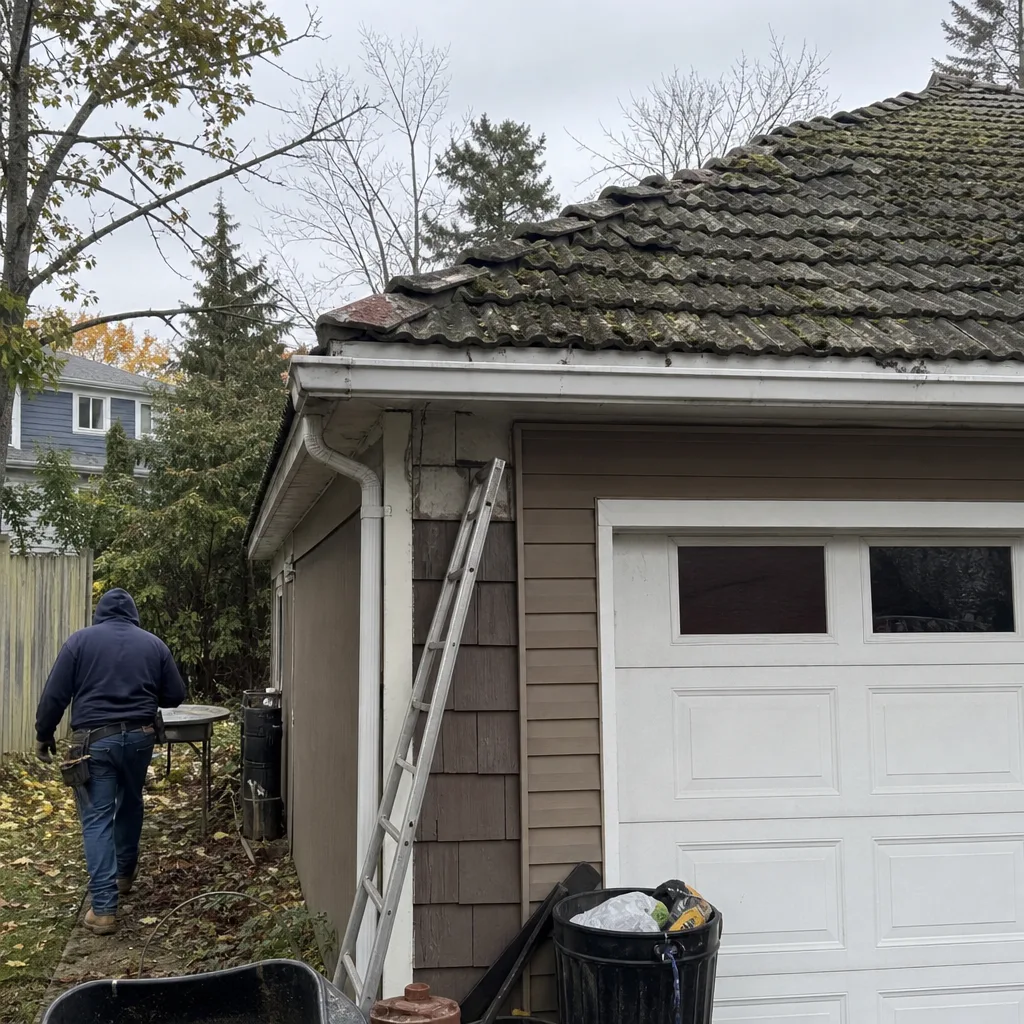 Before
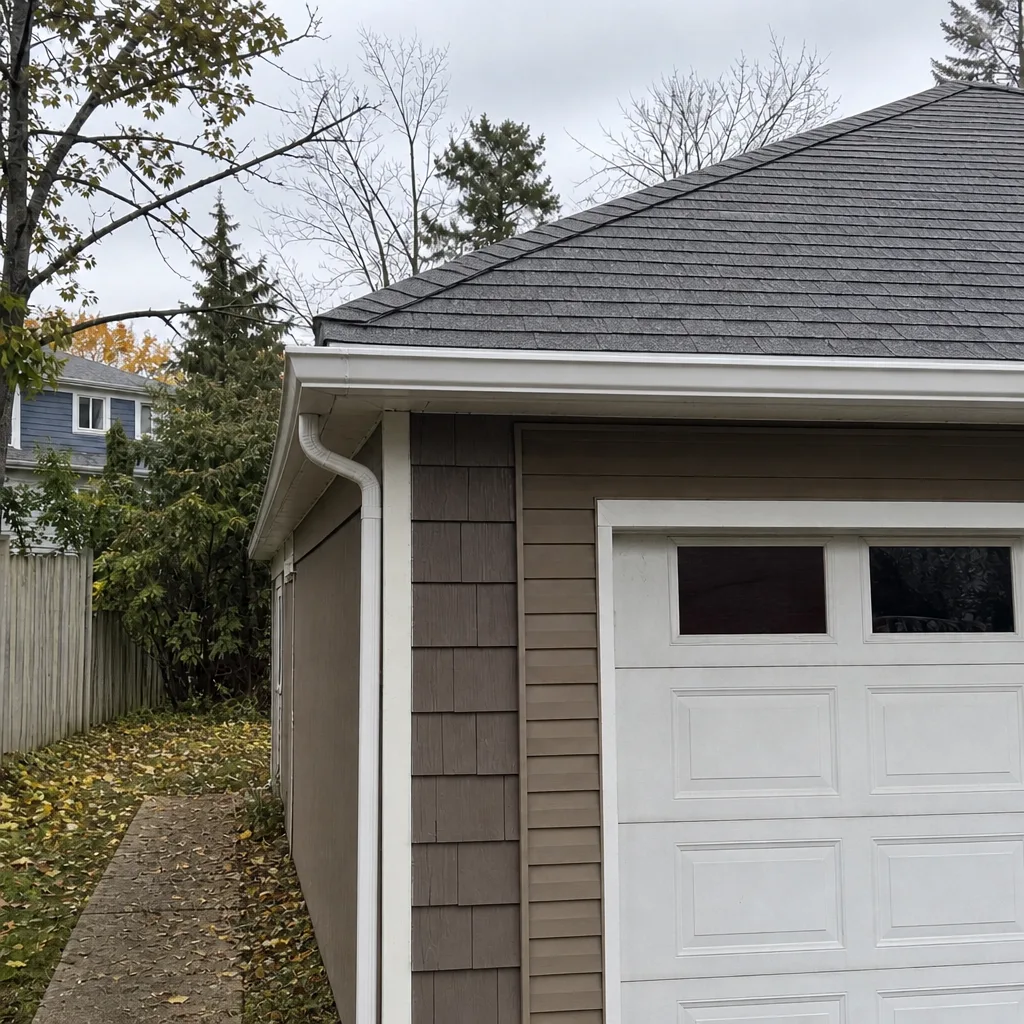 After
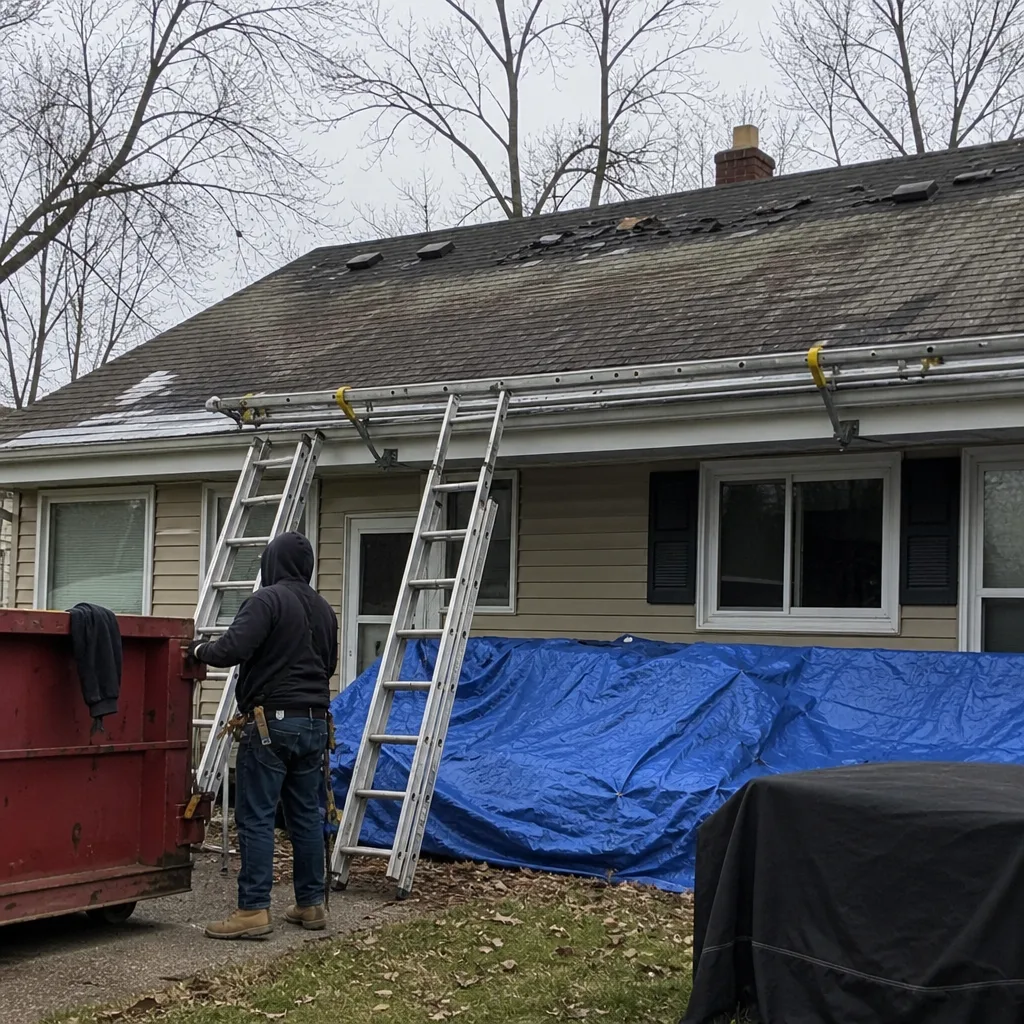 Before
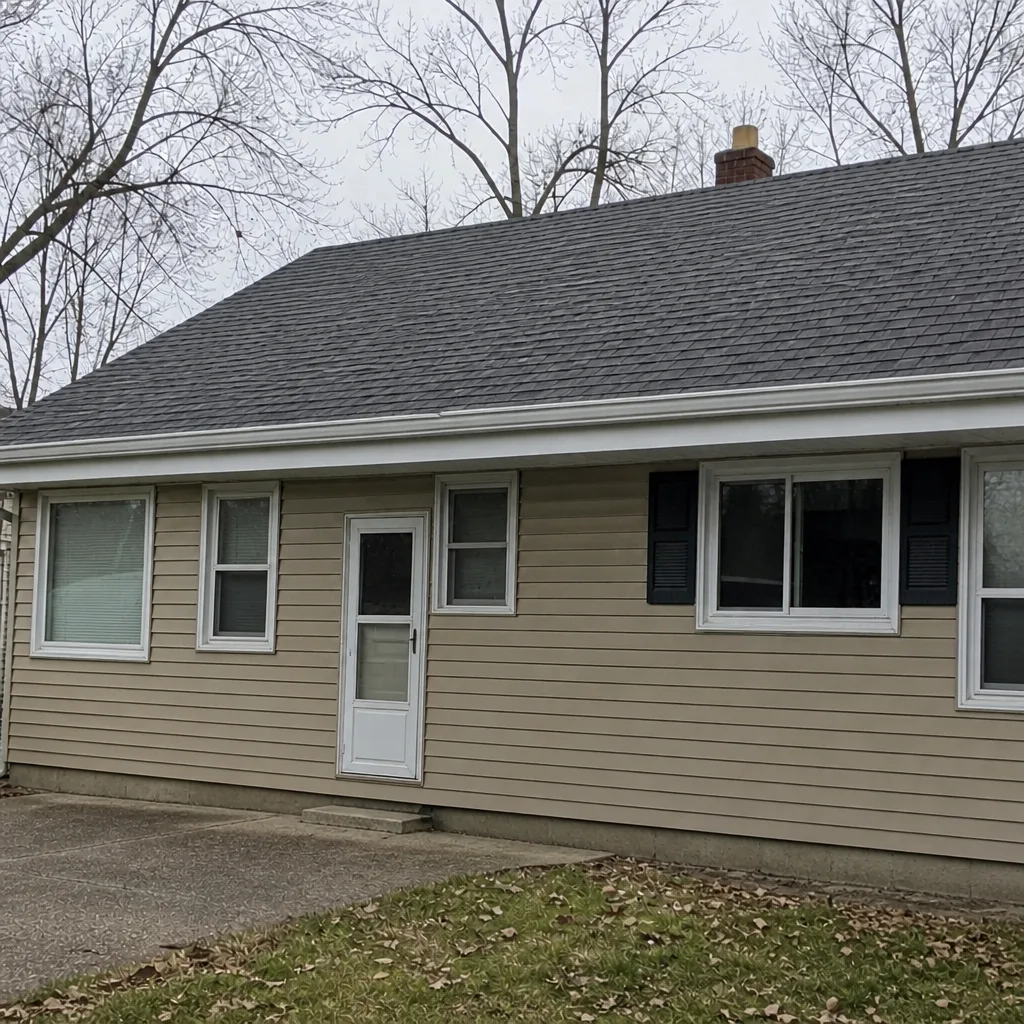 After
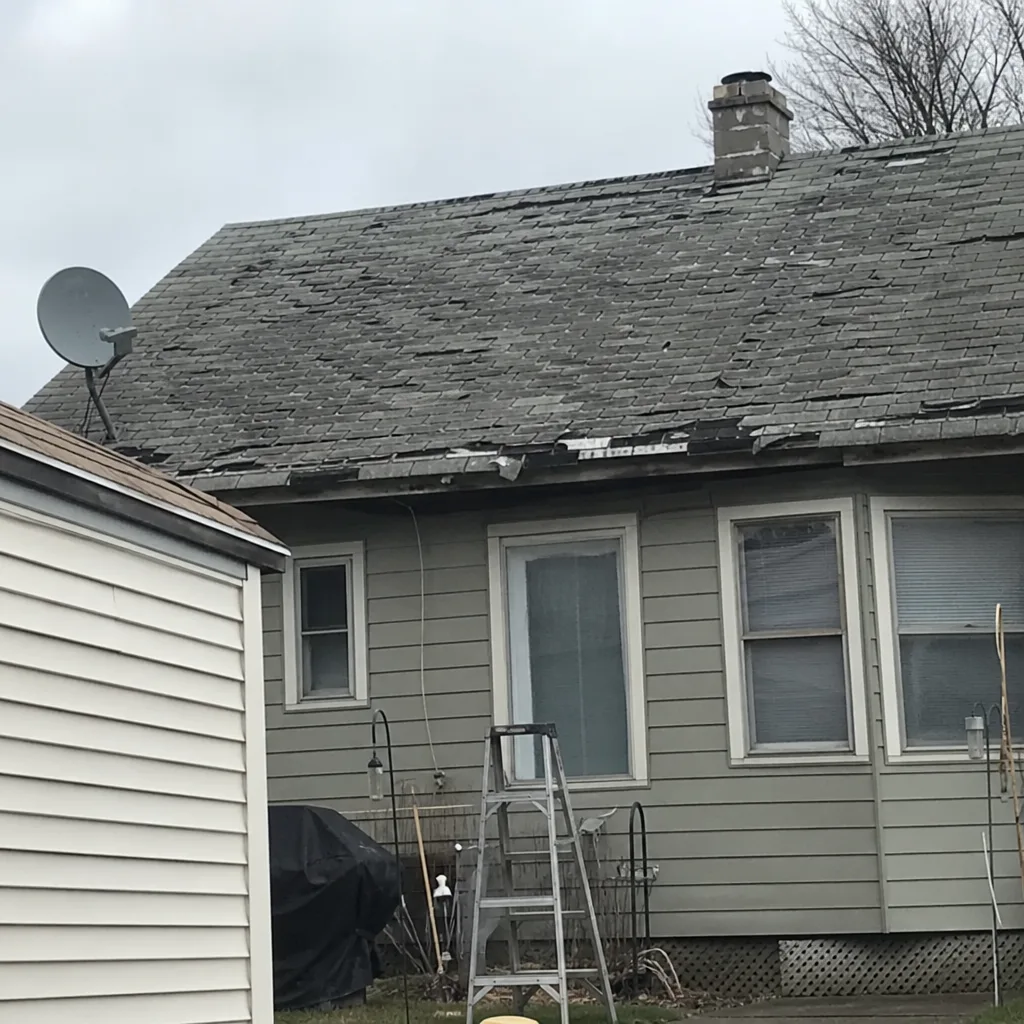 Before
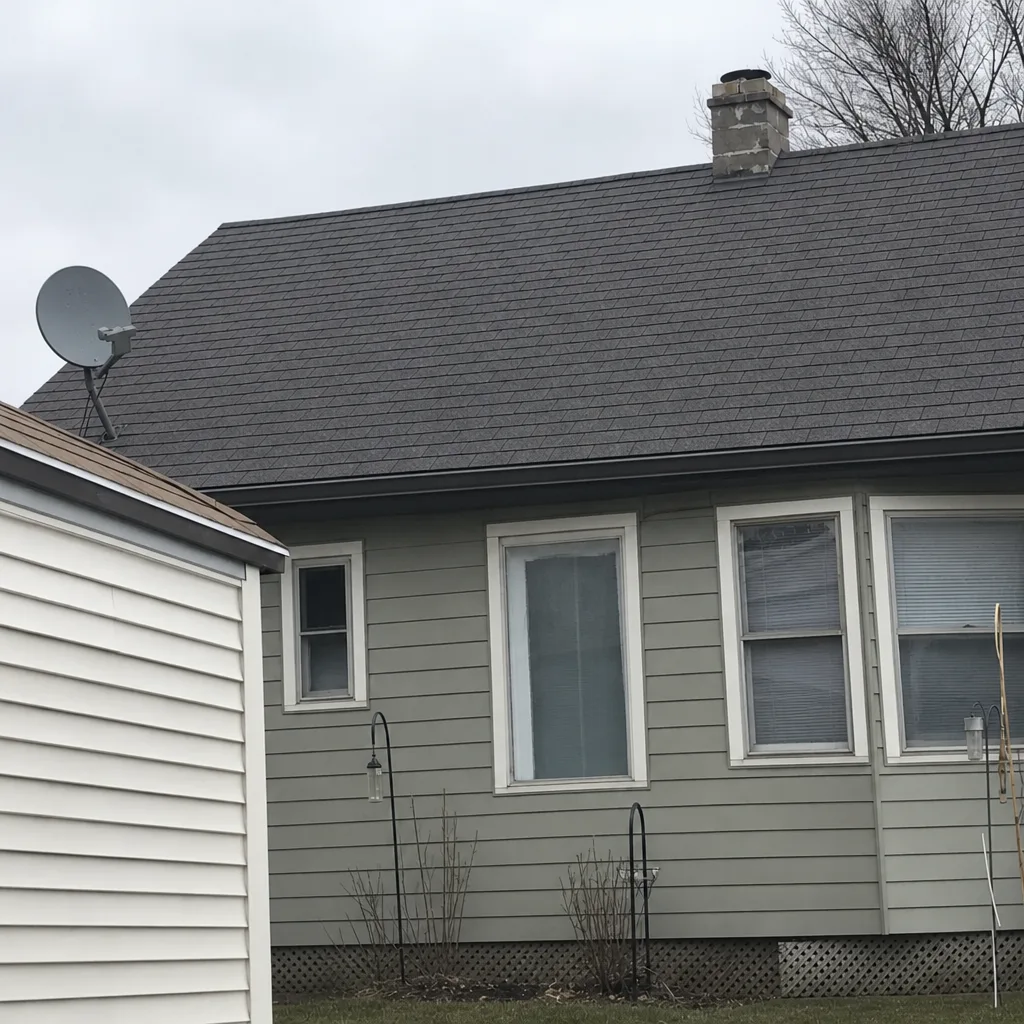 After
Frequently Asked Questions
Active water entering the living space, visible structural deflection, or a penetration through the roof deck constitutes an emergency requiring immediate interior mitigation and prompt contractor contact. Contained damage – dry stains, missing shingles without leaks, lifted flashing without water entry – can wait for a scheduled inspection.
Place a bucket beneath the entry point, move valuables away from the area, and continue interior management until the storm passes. If drywall is sagging, punch a controlled drainage hole in the center of the sag. Do not climb onto the roof during active weather. Call (866) 389-4577 as soon as practical to get on the response list.
Most homeowners policies cover storm-related roof damage, but coverage depends on the specific cause, your policy terms, and the documentation you provide. Pre-existing damage and deferred maintenance are typically excluded. Your pre-season photos and inspection records help establish that damage was storm-caused rather than pre-existing.
Small leaks become larger leaks through Buffalo’s freeze-thaw cycles, which widen cracks every time water freezes inside them. Even a minor leak that’s not actively dripping deserves attention within the same season. Waiting through a winter risks deck rot, insulation damage, and mold growth that multiply repair costs.
Have your address, a specific description of the damage, whether water is actively entering, what interior mitigation you’ve already done, your roof’s approximate age, and photos you can send immediately. Contractors triage calls based on severity and information quality – specifics get you to the front of the queue.
You should be present for at least the initial inspection so you can answer questions about when you noticed the damage and what you’ve observed over time. The more context you provide during the inspection, the more accurate the diagnosis will be. If you can’t be present, share your written damage timeline and photos in advance.
The Bottom Line
Buffalo roofing emergencies follow predictable patterns. Lake-effect snow stresses roofs structurally, freeze-thaw cycles drive water into widening cracks, and wind events create immediate infiltration. Homeowners who understand these patterns, prepare before November, document damage properly, and communicate specifically with contractors navigate storm season with better outcomes and lower total costs. The difference between a minor repair and a major replacement often comes down to response speed and information quality in the first 48 hours after damage appears.
Written by the team at Tidewater Roof Repair, serving Buffalo since 2011.