
Last updated November 14, 2026
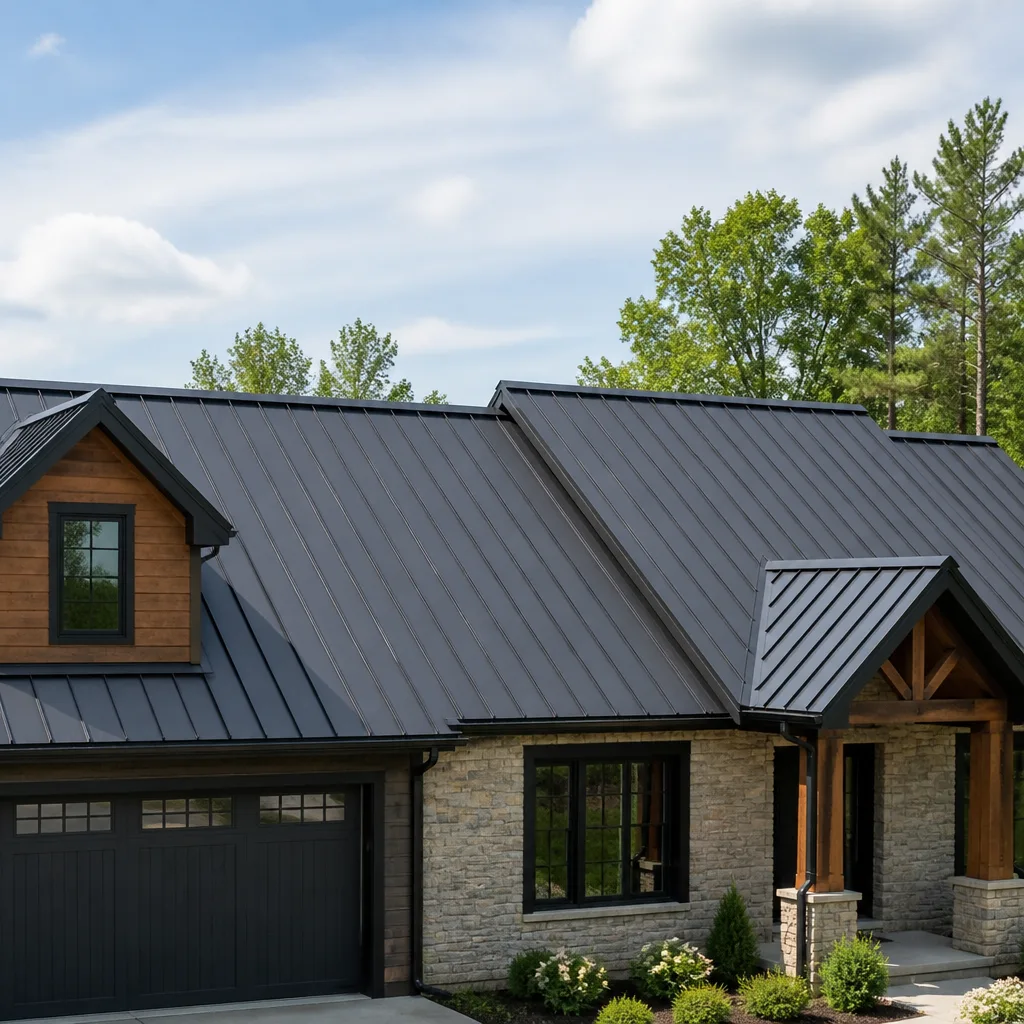 Metal roofing
 Architectural shingles
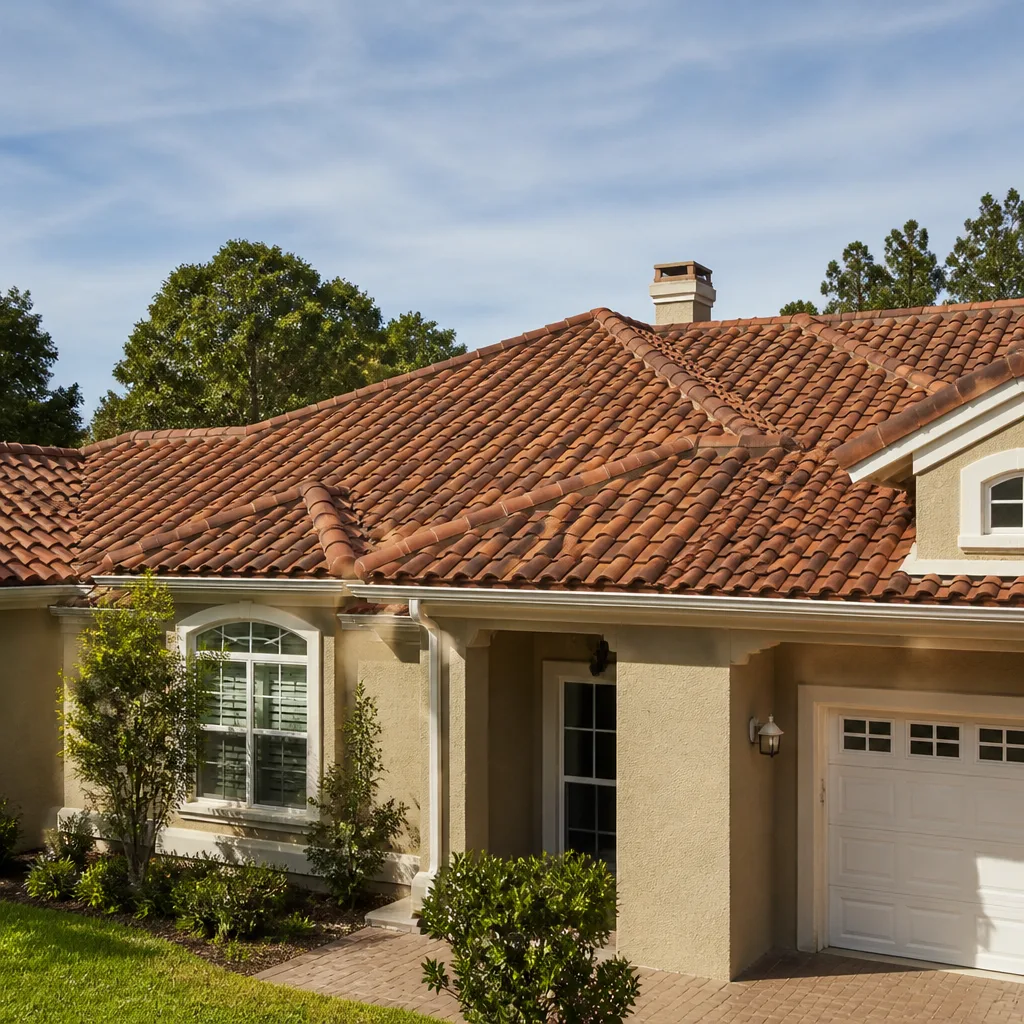 Tile roofing
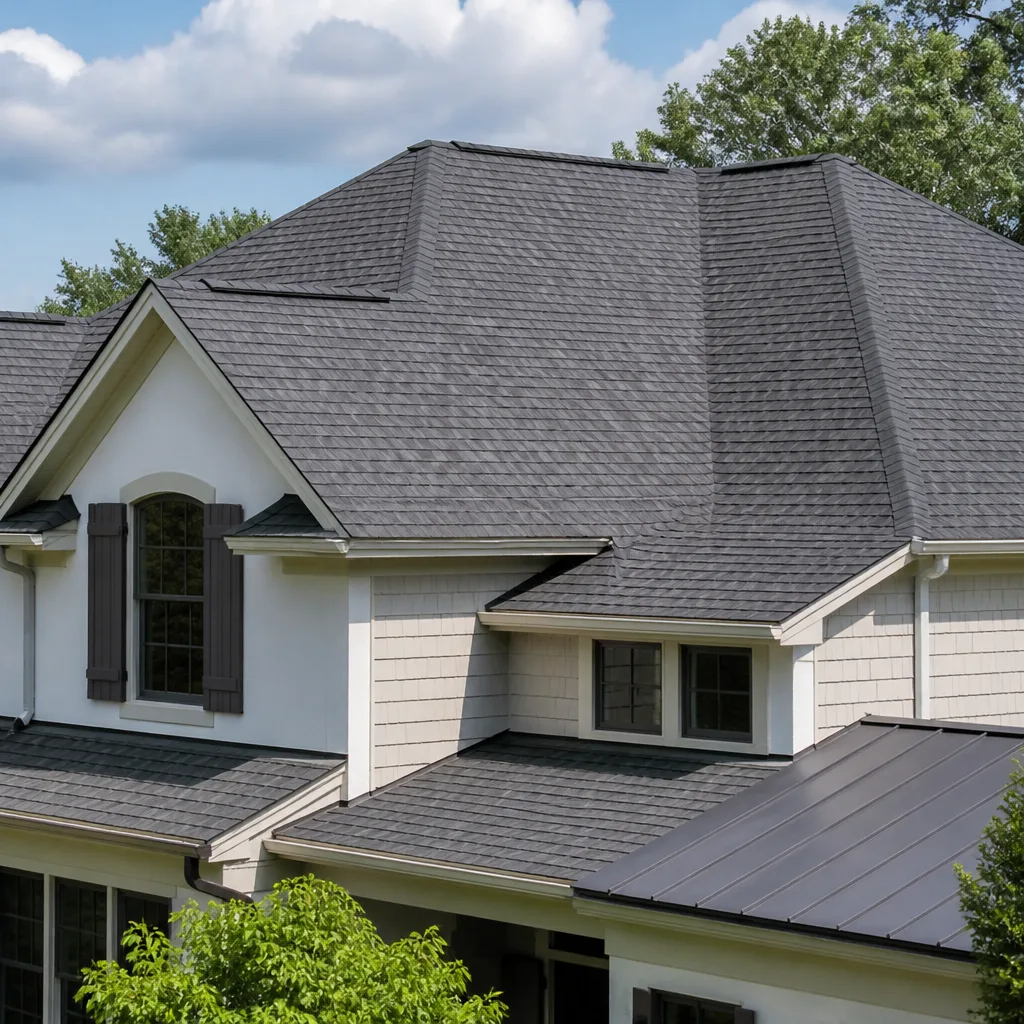 GAF
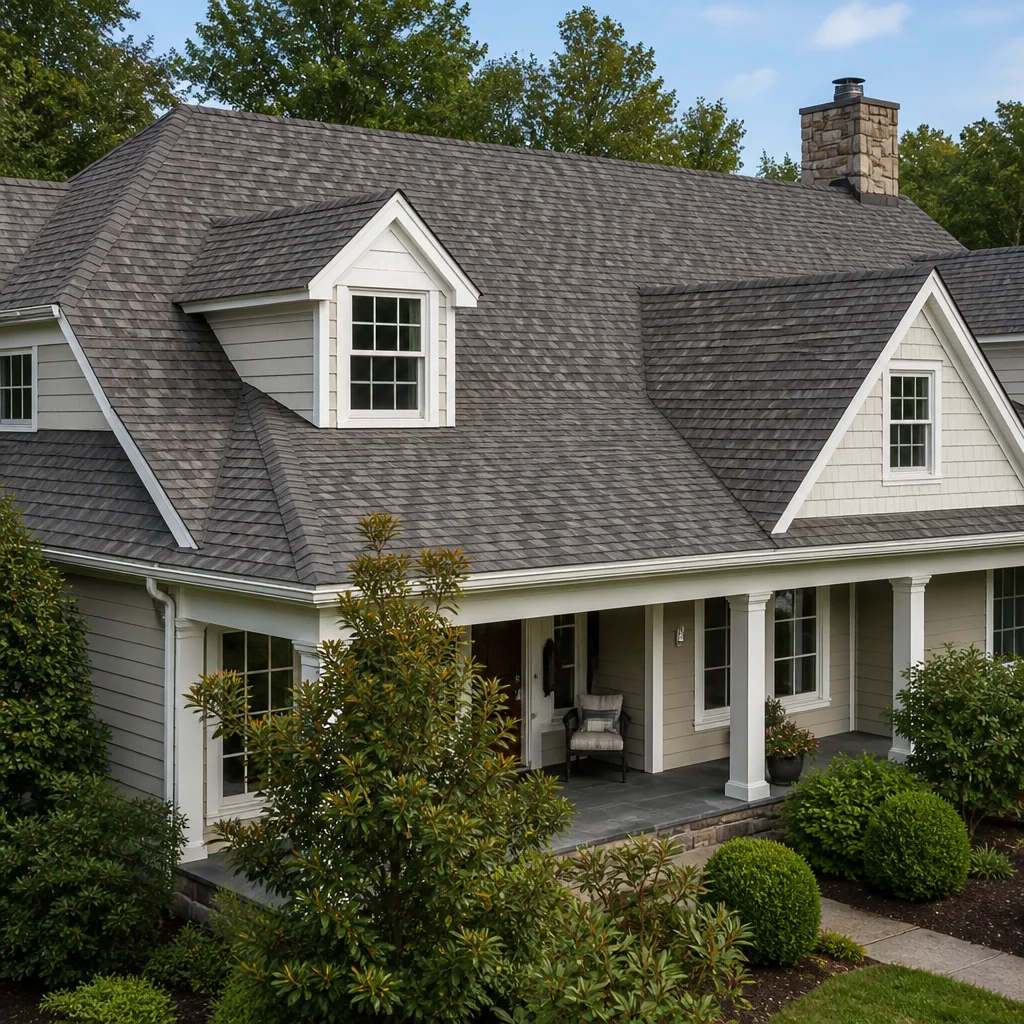 Owens Corning
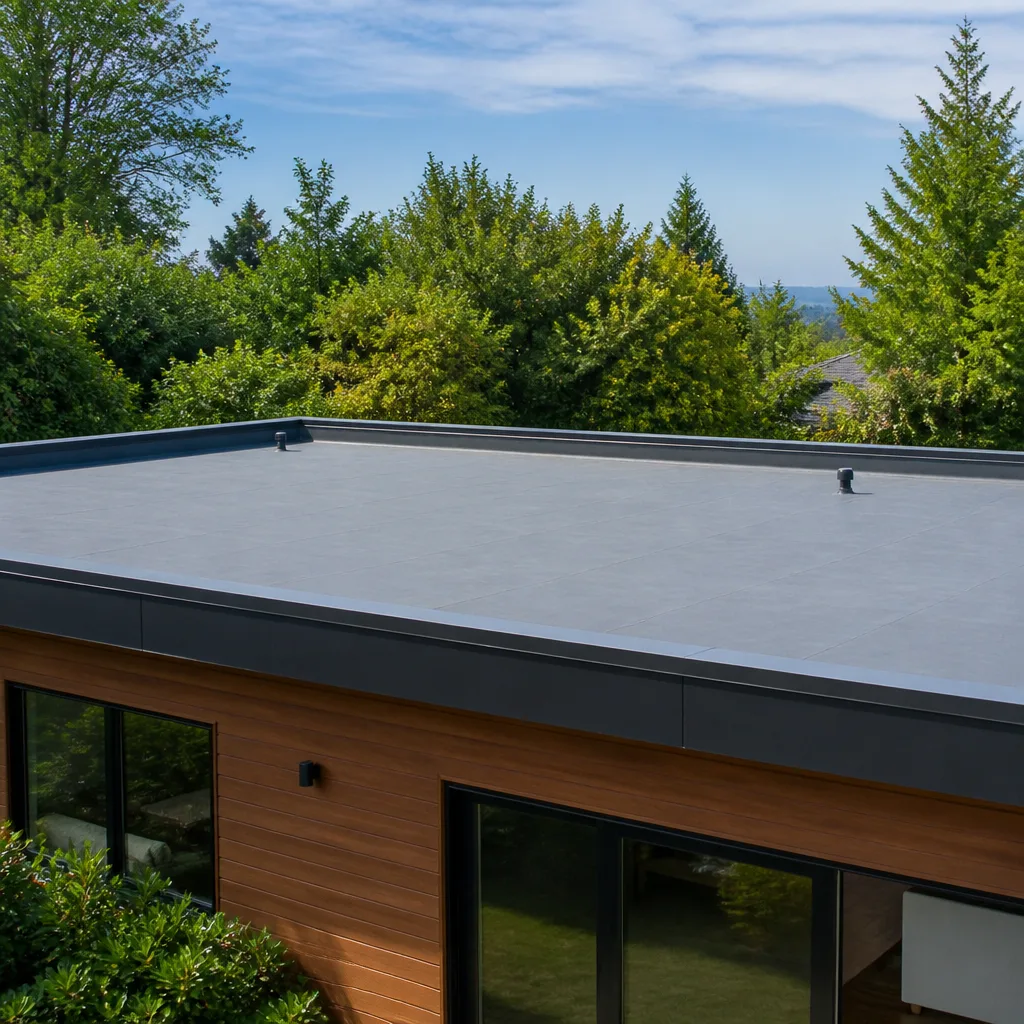 Flat & low-slope
Free roof inspection with deck photos before we talk money - GAF and Owens Corning certified installation
How to Hire a Roofing Contractor in Buffalo: A Step-by-Step Guide
Most hiring guides tell you to get three quotes and check insurance. That’s fine advice, but it completely misses what actually separates a good roofing decision from a costly one in Buffalo. A contractor can pass every standard vetting test, be licensed and insured with a perfect review profile, and still quote you a ventilation specification that works fine in Pennsylvania but turns your attic into an ice dam machine every January. This guide is about the questions that only local experience can answer: the freeze-thaw cycle, lake-effect snow loading, Erie County code enforcement, and how to read a material spec sheet like someone who has to live under it.
Quick Answer
To hire a roofing contractor in Buffalo, start by verifying their Erie County registration and insurance, then ask specific questions about ice-and-water shield coverage, attic ventilation for freeze-thaw conditions, and how they handle snow load on low-slope sections before you ever compare prices. The right contractor will inspect your roof before quoting, explain what your roof actually needs rather than defaulting to replacement, and provide a written line-item estimate you can compare against others without confusion.
Styles & brands we work with
- Architectural shingles
- Metal roofing
- Tile roofing
- GAF
- Owens Corning
- Flat & low-slope
Table of Contents
- What Buffalo Roofing Knowledge Actually Looks Like
- Licensing, Registration, and What Contractors Sometimes Imply
- How to Read a Quote’s Material Spec Sheet
- Red Flags Specific to the Buffalo Market
- Structuring the Repair vs. Replacement Conversation
- The Interview Questions That Reveal Local Knowledge
- What to Expect After You Sign
What Buffalo Roofing Knowledge Actually Looks Like
Buffalo is not just another cold-weather city. What makes roofing here genuinely different is the freeze-thaw cycle that repeats dozens of times each winter. Water melts during the day, seeps into any small gap or micro-crack, then freezes and expands at night. That expansion is relentless. It pries apart flashing, loosens shingle seals, and turns hairline cracks into open seams over the course of a few seasons. A roofer who learned the trade in a market with steady cold or steady warmth will not instinctively design for this cycle. They will treat a Buffalo roof like any other roof, and that is exactly where problems start.
Local expertise shows up in the details. It shows up when a contractor asks about your attic ventilation before they talk about shingle color. It shows up when they mention ice-and-water shield coverage across the eaves and valleys, not just as a line item but as a specific footage calculation. It shows up when they understand that lake-effect snow can dump two feet in a single event, and that snow doesn’t just sit on the roof, it drifts, melts, refreezes, and moves. Someone who has roofed in Buffalo knows that a roof here has to shed water first and look good second.
When we look at a roof in Buffalo, we’re not looking for a sale. We’re looking at how water moves across the surface, where the ice builds, how the existing ventilation is performing, and whether the structure underneath has been compromised by years of that freeze-thaw expansion. That diagnostic approach changes everything downstream because it means the quote you get is based on what the roof actually needs, not on what we happen to sell more of this month.
Licensing, Registration, and What Contractors Sometimes Imply
New York State does not license roofers at the state level the way some states license electricians or plumbers. What Buffalo homeowners actually need to verify is that a contractor is properly registered and insured to work in this area. Erie County requires contractors to meet certain registration standards, and cities and towns within the county may have their own requirements on top of that. A contractor who is vague about this, who says “we’re fully licensed” without explaining what that means here, is a contractor to question further.
What you should ask for, in writing, is straightforward:
- Proof of general liability insurance with a coverage amount appropriate to roofing work
- Proof of workers’ compensation insurance for any crew that will be on your property
- Their Erie County registration or equivalent documentation
- Any local permits required for your specific town or village
Insurance is not a formality. If a worker falls off your roof and the contractor doesn’t carry workers’ compensation, the claim can land on your homeowner’s policy. If a contractor damages your home and doesn’t carry liability insurance, you are left holding the repair bill. We carry both because it is the baseline for doing this work at all, not a selling point.
One more thing worth knowing: a building permit is often required for roof replacement in Buffalo and the surrounding municipalities. The contractor should handle the permit process or at minimum tell you clearly what’s required. If a contractor tells you to skip the permit to save time or money, walk away. A permit means the work gets inspected, and an inspection is your protection against hidden mistakes.
How to Read a Quote’s Material Spec Sheet
Most homeowners look at the bottom line and stop reading. That is a mistake. Two quotes for the same price can describe two very different roofs, and the difference is always in the spec sheet. In Buffalo, the spec sheet matters more than in most markets because the wrong underlayment or insufficient ice-and-water shield coverage can fail silently for years before you see water on your ceiling.
Here is what to look for, line by line:
- Shingle brand and model. The quote should name the actual product, not just “architectural shingle.” Brands like GAF, Owens Corning, and CertainTeed all make multiple product lines at different price points. You want to know exactly which line is going on your roof.
- Underlayment type and weight. The underlayment is the layer between the shingles and the roof deck. The heavier the underlayment, the better it performs in Buffalo’s wind and water conditions. A quote that just says “underlayment” without specifying synthetic or felt and the weight is incomplete.
- Ice-and-water shield coverage. This is the critical number for Buffalo. Ice-and-water shield is a self-adhering membrane that seals around nail penetrations and prevents ice dam water from backing up under the shingles. The quote should specify how many feet of ice-and-water shield will be installed up from the eave edge, and it should also mention coverage in valleys and around penetrations. Minimum code coverage exists, but a better roof often calls for more.
- Flashing spec. The quote should describe what happens at the chimney, the walls, the skylights, and the pipe penetrations. Flashing is where most leaks start, and a quote that skims over flashing is a quote that will cost you later.
- Ventilation. A roof is a system. The best shingle in the world underperforms if the attic can’t breathe. The quote should address intake and exhaust ventilation, including whether ridge vent or box vents are specified and how that balances with the soffit intake.
- Starter strip and hip/ridge shingles. These are small components that make a big difference in wind resistance and finished appearance. They should never be improvised from cut field shingles.
Tidewater Roof Repair works with seven roofing material manufacturers, including GAF, CertainTeed, Owens Corning, IKO, Atlas, Tamko, and Boral. That matters to you because we are not locked into what one brand happens to make. The right shingle for a steep gable in North Buffalo might be different from the right shingle for a low-slope section in South Buffalo, and having access to seven brands means the recommendation is driven by your roof’s conditions and your budget, not by a single supplier relationship.
Red Flags Specific to the Buffalo Market
Some red flags are universal: no written quote, cash-only demands, no insurance. But Buffalo has its own set of warning signs that you should know before the first contractor sets foot on your property.
The post-storm knocker. After a big lake-effect snow event or a summer wind storm, out-of-state crews show up, work the neighborhoods, and disappear before the first problem appears. They have no local address, no local references, and no incentive to stand behind their work. A legitimate Buffalo contractor has a local presence and a reputation that survives more than one season.
The single-brand pitch. Some contractors are locked into one manufacturer’s product line. That’s not automatically a problem, but it is a limitation. If every roof they install uses the same shingle regardless of pitch, exposure, or ventilation conditions, they’re running a franchise, not a roofing practice. Seven leading brands, one honest assessment is how we approach material selection, and it means you’re not limited to what one brand makes.
The pressure timeline. Any contractor who tells you the price is only good until the end of the week is not selling you a roof. They’re selling you a decision. A real quote has reasonable validity. The materials cost what they cost, and a contractor who can’t hold a price for two weeks is a contractor who doesn’t want you to think.
The inspection that isn’t one. Some “inspections” are 20 minutes on the ground with a drone photo and a quote delivered by email. We look before we quote. That means going up on the roof, walking the surface, checking the flashing, the ventilation, the deck from the attic side when accessible. A real inspection produces a real diagnosis, and a real diagnosis is the only honest foundation for a quote.
Structuring the Repair vs. Replacement Conversation
The fastest way to find out whether a contractor has your best interest at heart is to ask about repair before replacement. A contractor who genuinely matches scope to need will explain when roof repair is sufficient and when roof replacement is the only responsible option. A contractor who jumps straight to replacement without examining the roof will usually reveal themselves quickly.
Here is how to structure that conversation:
- Ask what the inspection actually found. You want specifics: where the damage is, what caused it, how long it has been developing. A contractor who can’t point to the problem on the roof is guessing.
- Ask what repair would look like. Even if the answer is that repair isn’t feasible, a good contractor can explain why. They can walk you through the lifespan left in the remaining materials, the structural condition, and the cost-per-year math of repairing versus replacing.
- Ask what replacement would include that repair wouldn’t. This is where you hear about underlayment replacement, deck repair, new flashing systems, ventilation improvements. A replacement should be a comprehensive rebuilding, not just a shingle swap.
- Ask what happens if you do nothing for a year. The answer tells you a lot. A contractor who says “your roof will collapse” is fear-selling. A contractor who says “you’ll likely see worsening leaks at the north valley, and the deck under that area will continue to soften” is diagnosing.
One of the advantages of working with a company that handles inspection, repair, and replacement under one name is that there is no incentive to skip to the most expensive option. The team that inspects your roof is the same team that handles the repair or replacement, which means no handoffs and no miscommunication between assessment and execution. Repair when repair is right, replace only when it’s necessary.
The Interview Questions That Reveal Local Knowledge
You don’t need to be a roofer to interview one. You just need to know which questions separate the locals from the tourists. Here are the questions that reveal whether a contractor understands Buffalo specifically:
- “How do you handle ice damming on this roof?” A generic answer about roof rakes and gutter heating cables is not a roofing solution. A real answer involves ventilation, insulation, and ice-and-water shield coverage at the eave. The contractor should be able to look at your roof and explain where ice dams are most likely to form and what the roof will do to prevent them.
- “What’s your ventilation spec for this attic?” Buffalo attics need balanced airflow to keep roof deck temperatures consistent. That means intake at the soffit and exhaust at the ridge. A contractor who can’t describe the balance for your specific attic is not thinking about durability.
- “How much ice-and-water shield are you including?” The number matters. Code minimum is one thing, but Buffalo’s freeze-thaw cycle often argues for more coverage in valleys, around penetrations, and along eaves. A good contractor will explain what they recommend and why.
- “What happens to this roof under a lake-effect snow event?” The answer should reflect an understanding of heavy snow loading and wind-driven snow. The contractor should mention snow guards where relevant, structural loading, and how the roof system handles repeated melt-freeze cycles.
- “How do you handle the permit and inspection process in my town?” Every municipality around Buffalo has slightly different requirements. A contractor who has worked in your area will know what your town asks for and will handle it as a normal part of the process.
What to Expect After You Sign
Hiring the contractor is not the end of the process. It’s the beginning of the part where the work actually happens, and knowing what to expect protects you and helps the job run smoothly.
Before work starts: You should receive a written contract that includes the full material spec, the start and completion timeline, the total price, and the payment schedule. You should also know who is pulling the permit and when the inspection will happen. If the contract says “roofing materials” instead of naming specific products, ask for it to be revised before you sign.
During the work: The crew should protect your landscaping and your home. That means tarps, plywood protection for windows where necessary, and a cleanup plan. Roofing debris like old nails and shingle fragments should be collected as the work proceeds, not left scattered across your lawn for you to find with a mower next spring.
After the work: You should receive a final walkthrough, confirmation that the inspection has been scheduled or passed, and documentation of what was installed. That documentation matters if you ever sell the home or need to make a warranty claim.
Tidewater Roof Repair has been serving Buffalo since 2011. We built the company around a simple idea: inspect honestly, repair what can be repaired, and replace only what needs to be replaced. That approach, combined with access to seven major material brands, means the recommendation you get is about your roof, not about our inventory.
Common Mistakes to Avoid
- Choosing by price alone. The lowest quote is often missing something: proper underlayment, adequate ice-and-water shield, a real ventilation plan. Those omissions don’t show up on day one; they show up in five years as a leak in the ceiling. Read the spec sheet, not just the total.
- Assuming all insurance is the same. Liability and workers’ compensation are two separate policies with two separate purposes. Ask for proof of both. A contractor with only liability coverage is transferring worker injury risk to you.
- Skipping the attic inspection. A roof is more than its surface. If a contractor quotes you without ever going into the attic, they haven’t seen the underside of the deck, the ventilation, or the insulation. Half the diagnosis lives there.
- Hiring a storm chaser after a lake-effect event. Out-of-state crews follow big weather. They work fast, they leave town, and when a seam fails in year two, you can’t find them. Hire someone with a local presence who will still be here.
- Ignoring the ventilation conversation. In Buffalo, ventilation is not optional. A poorly ventilated attic turns your roof into an ice dam factory. If your contractor never mentions ventilation, keep looking.
- Signing before the spec sheet is itemized. A contract that says “install new roof” is not a contract. It’s an invitation to substitutions. Insist on brand names, product models, coverage numbers, and flashing details in writing.
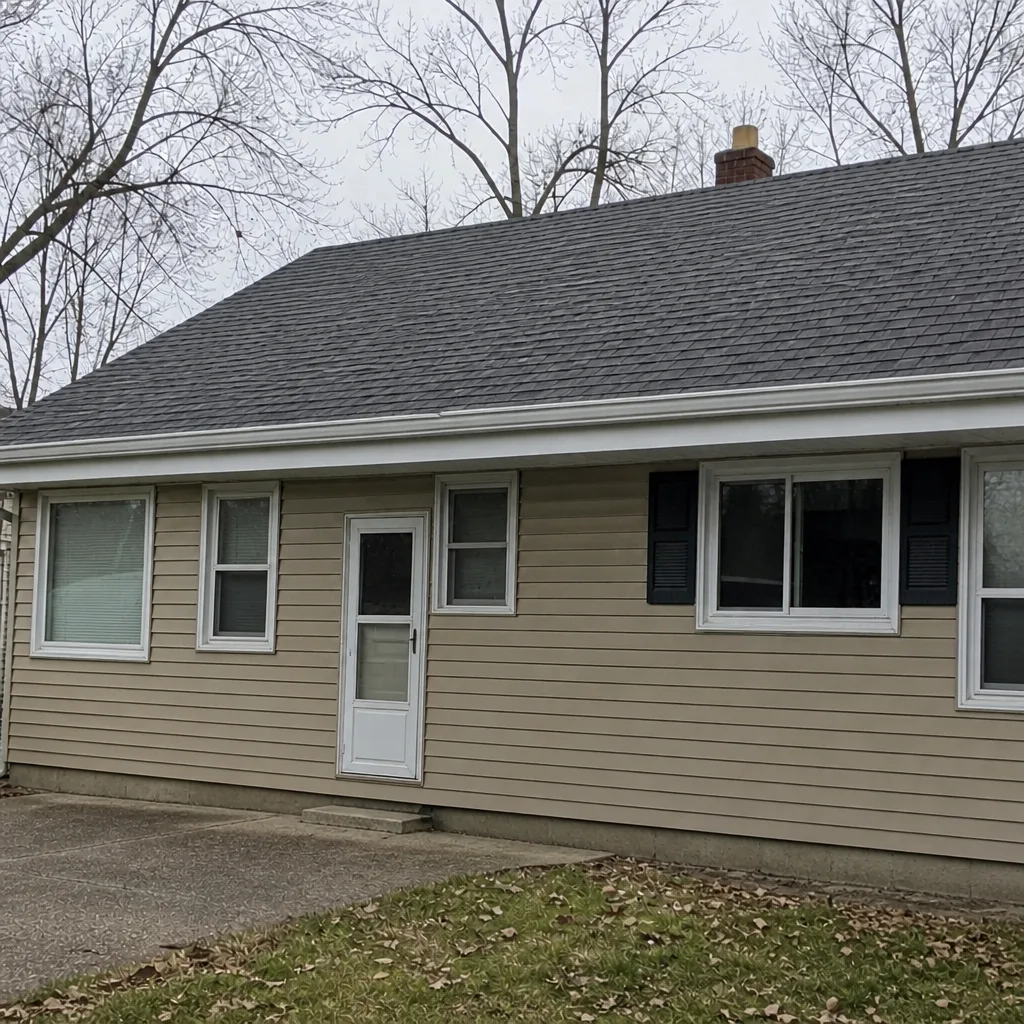
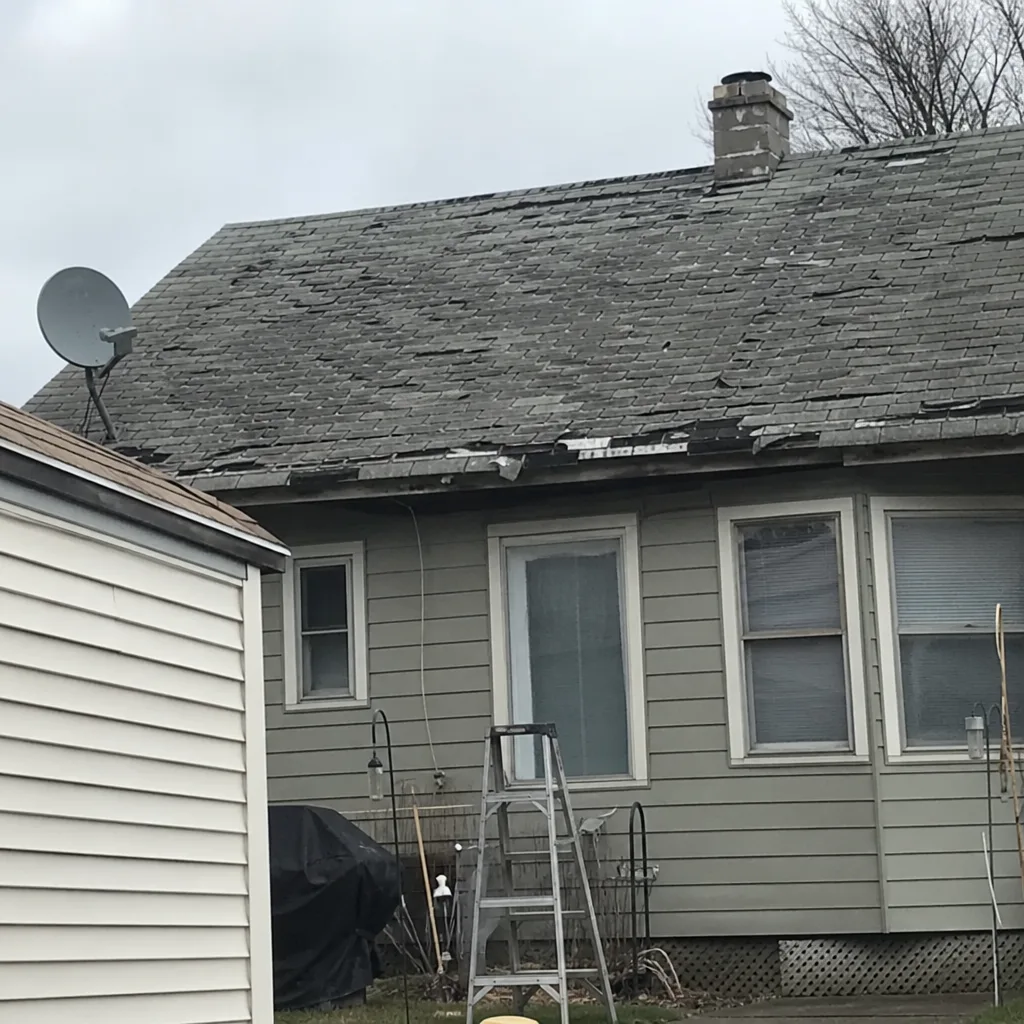
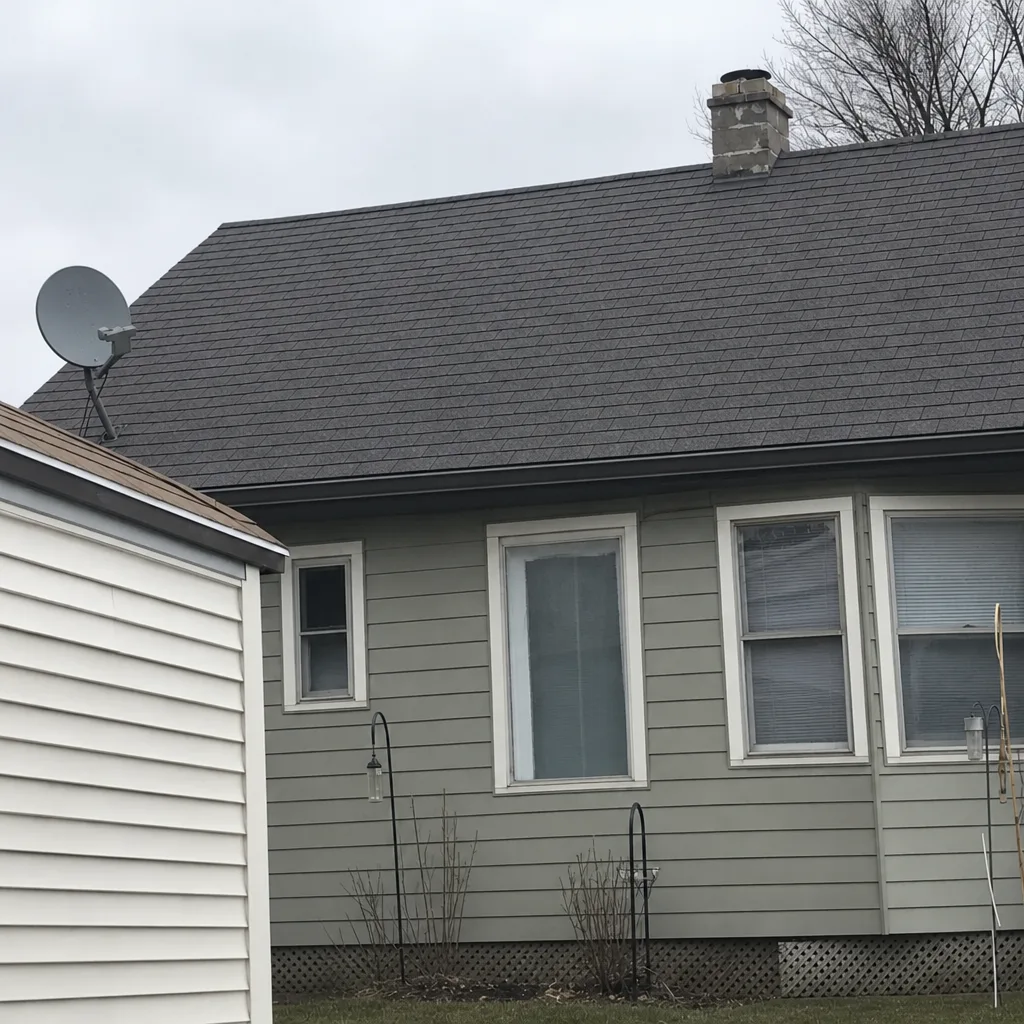
See the difference
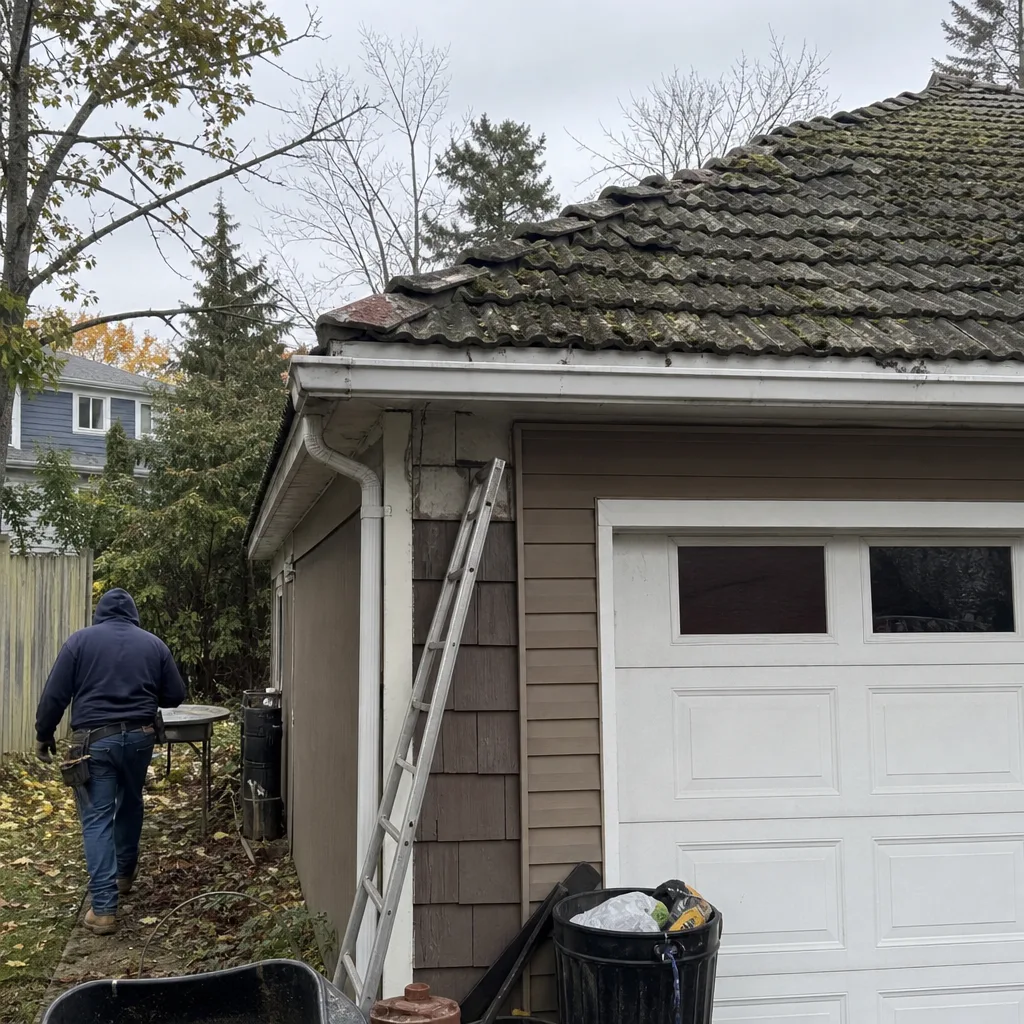 Before
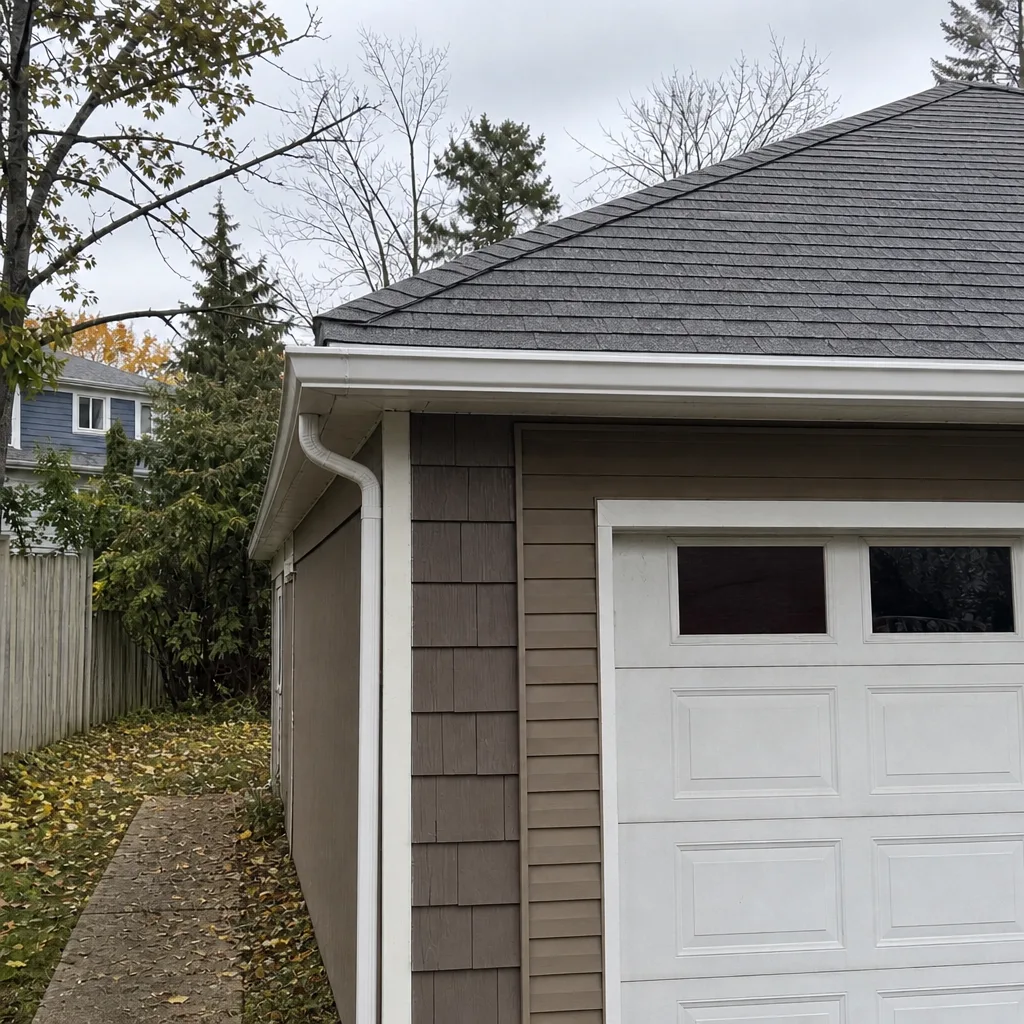 After
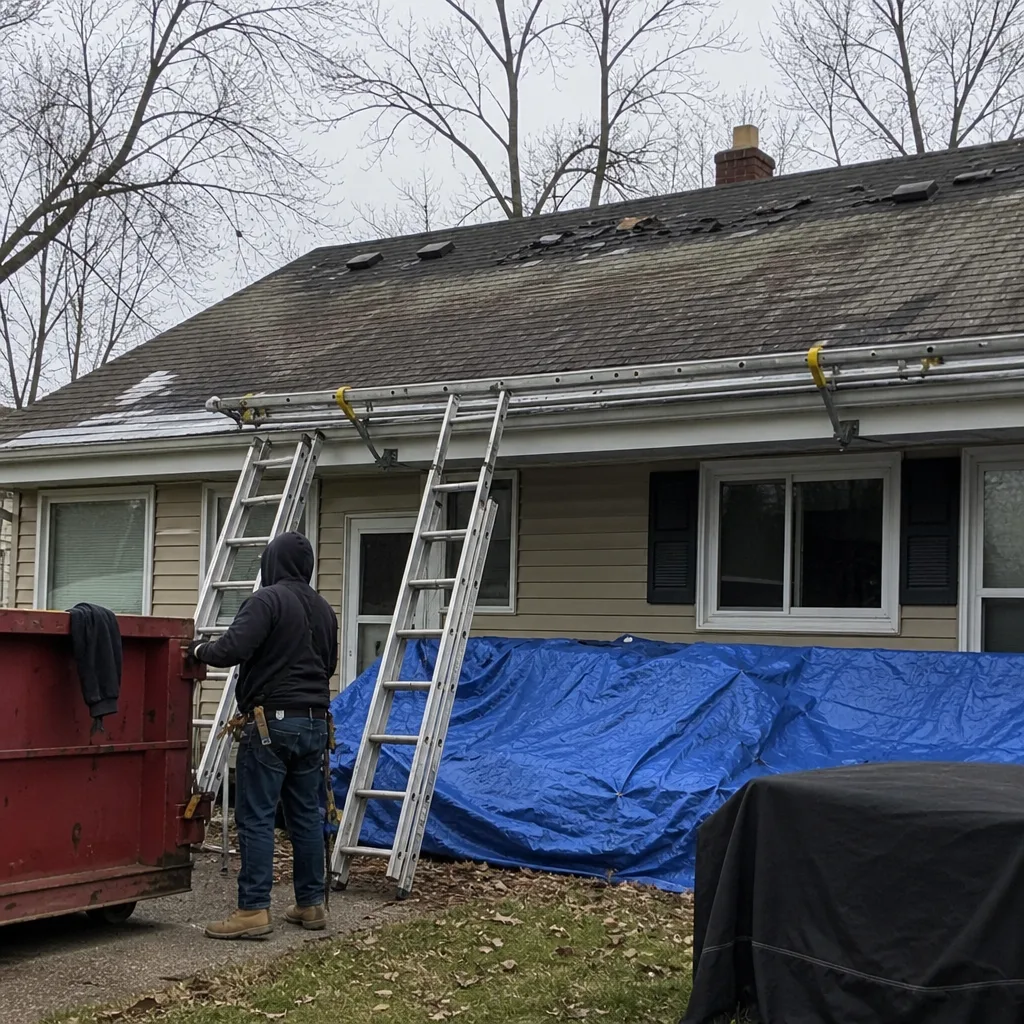 Before
 After
 Before
 After
When to Call a Professional
Some things you can see from the ground. Curled shingles, missing tabs, rusted flashing, granule runoff in the gutters, dark streaks across the roof plane, daylight visible from the attic. Those all warrant a professional inspection. But some things you can’t see, and those are the ones that cost the most: water that has already made it under the shingles, deck softening that hasn’t yet become a leak, ventilation problems that are invisibly cutting the lifespan of your roof. If you’ve noticed any sign of water staining on ceilings or walls, any ice dam forming along the eaves after the first good snow, or any wind damage after a summer storm, call someone who will actually climb up and look. Tidewater Roof Repair offers free estimates in Buffalo, call (866) 389-4577.
Frequently Asked Questions
A roof replacement in Buffalo typically runs between $8,000 and $18,000 for an average single-family home, depending on size, pitch, material selection, and the condition of the underlying deck. The most accurate way to get a number for your roof is through a professional inspection and a written line-item estimate. Call (866) 389-4577 to schedule a free estimate and get exact numbers for your home.
Most municipalities in the Buffalo area require a building permit for roof replacement, and the specific requirements vary by town and village. The contractor you hire should handle the permit process as part of the job and schedule the required inspection when the work is complete. Call (866) 389-4577 if you want help understanding what your specific municipality requires.
A typical residential roof replacement in Buffalo takes two to five days from tear-off to final cleanup, depending on the size and complexity of the roof, the weather, and whether any deck repair is required. Inspection scheduling may add additional days. Your contractor should give you a clear timeline in writing before work begins.
Yes, many roofs in Buffalo can be repaired rather than replaced, especially when the damage is localized to a specific area and the remaining materials still have useful life. The honest answer comes from an inspection that looks at the full roof condition, not just the visible problem area. Call (866) 389-4577 for an inspection-first assessment, and we’ll tell you what your roof actually needs.
Ice-and-water shield is a self-adhering membrane installed at the eaves and in valleys that seals around nail penetrations and prevents water from ice dams from backing up under the shingles. In Buffalo’s freeze-thaw climate, this membrane is one of the most important components of the roof system, and the amount installed should be specified in your quote. Ask any contractor exactly how much coverage they’re including before you sign.
The price should not change unless the tear-off reveals something that could not have been known before the shingles came up, such as rotted decking that requires replacement. A reputable contractor will include a written provision for deck replacement at a per-sheet rate and will show you the damaged areas before proceeding. Fixed pricing with no change orders is standard at Tidewater Roof Repair, and we document everything before work begins.
The Bottom Line
Hiring a roofing contractor in Buffalo is not about collecting three quotes and picking the middle one. It’s about finding someone who understands what lake-effect snow and a relentless freeze-thaw cycle actually do to a roof over the course of a decade or two. Ask the right questions, read the spec sheet line by line, verify the registration and insurance, and watch how a contractor responds when you ask about repair before replacement. The right contractor inspects before quoting, explains what your roof needs before selling you anything, and backs the work with a local presence that will still be here next year. The wrong contractor just wants a signature before the end of the week. You know the difference now.
Written by the team at Tidewater Roof Repair, serving Buffalo since 2011.