
Last updated November 14, 2026
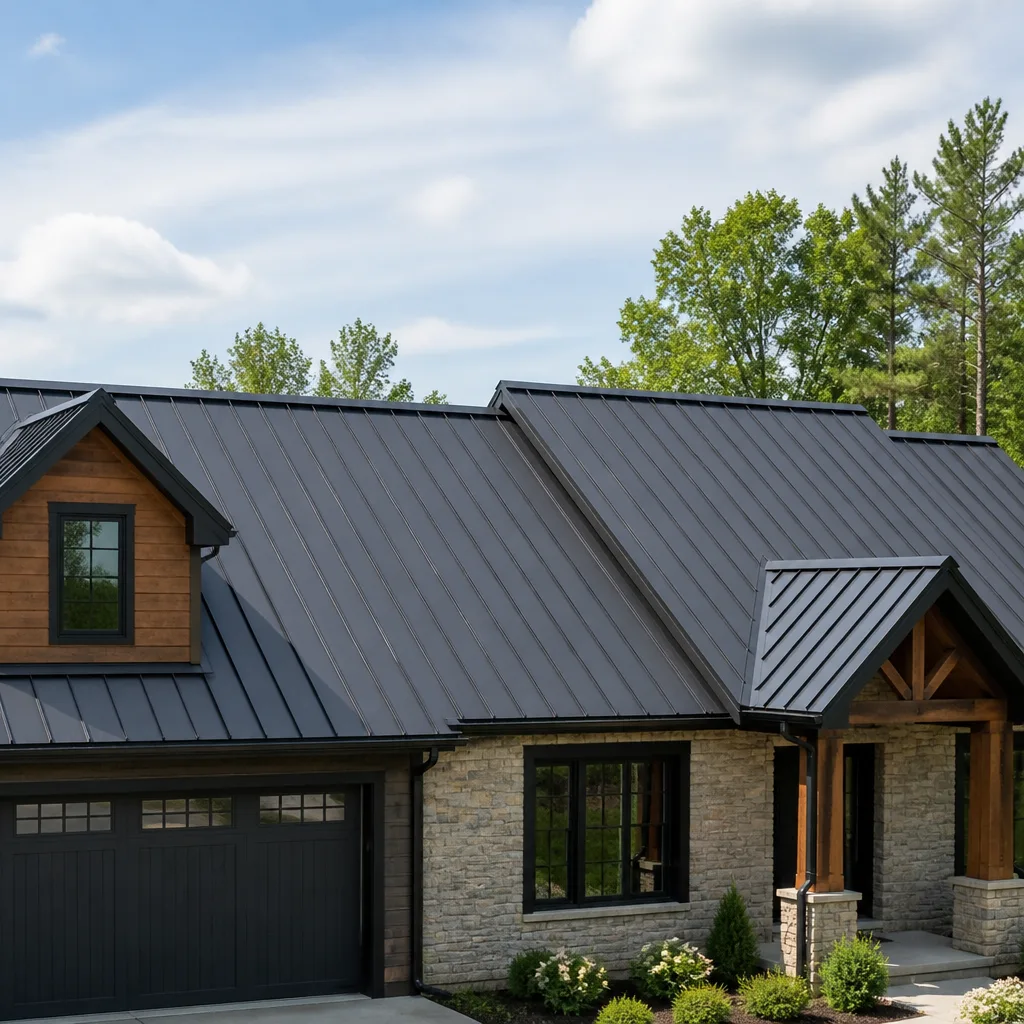 Metal roofing
 Architectural shingles
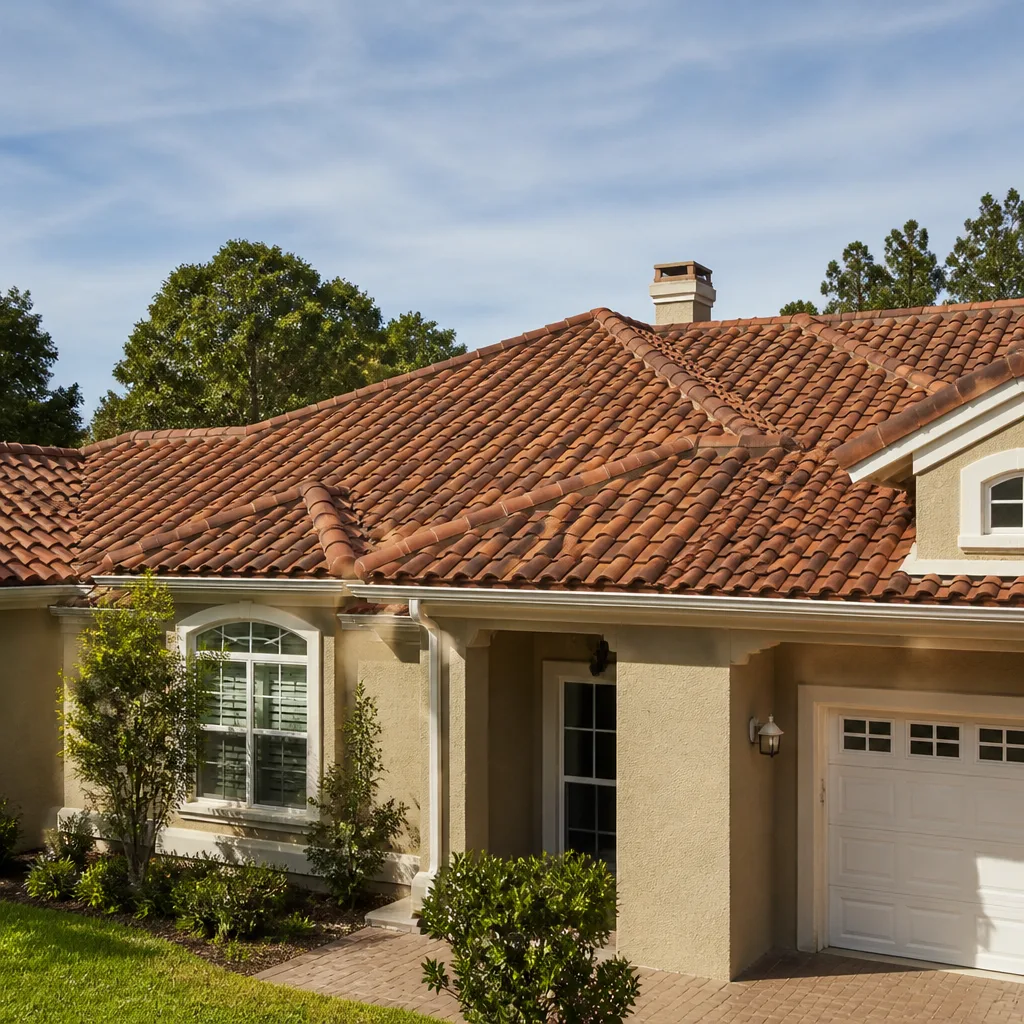 Tile roofing
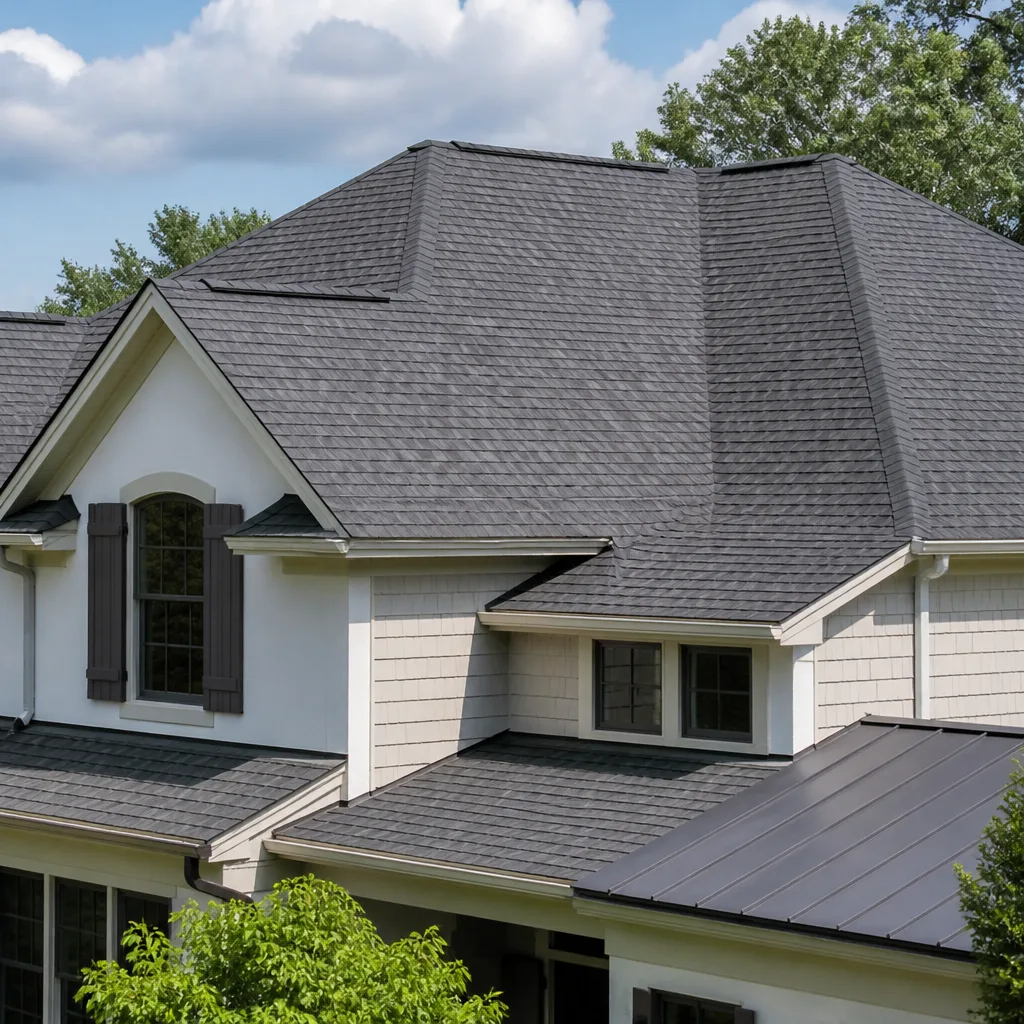 GAF
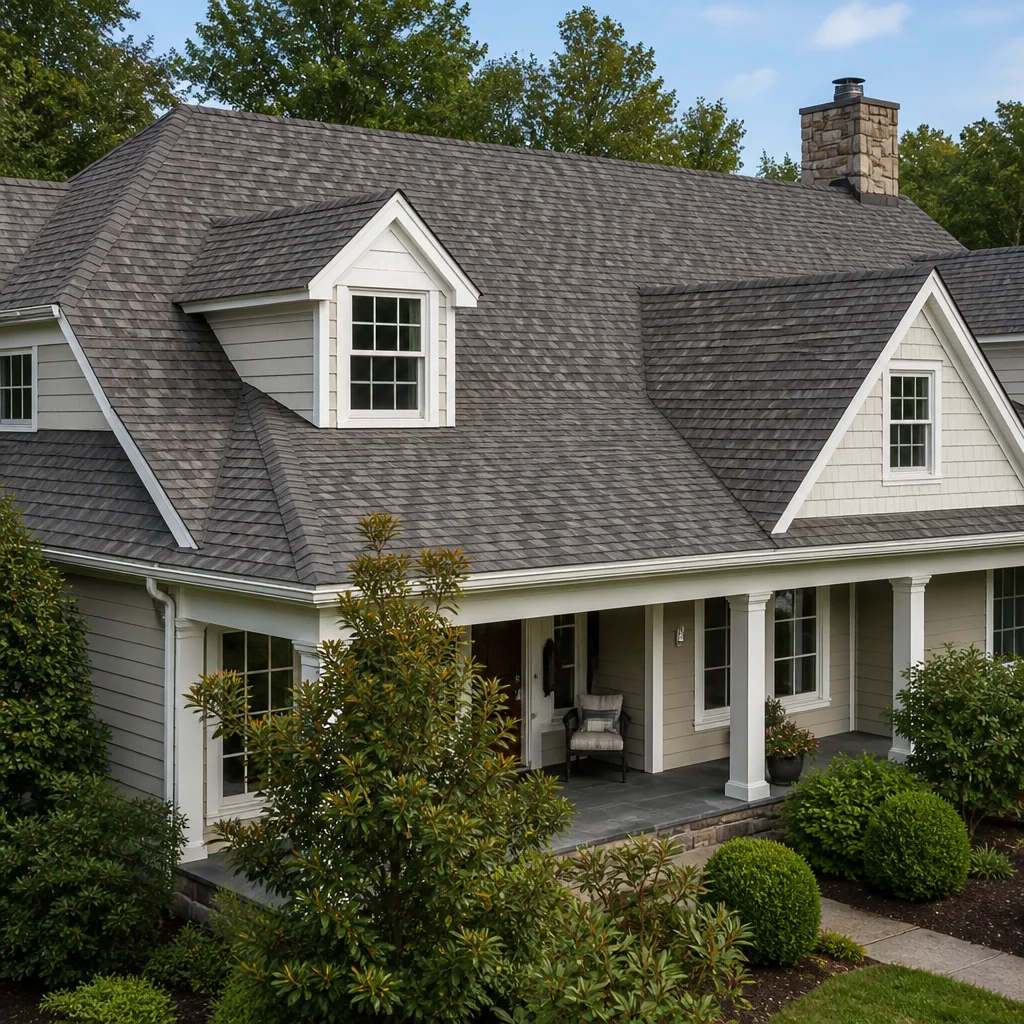 Owens Corning
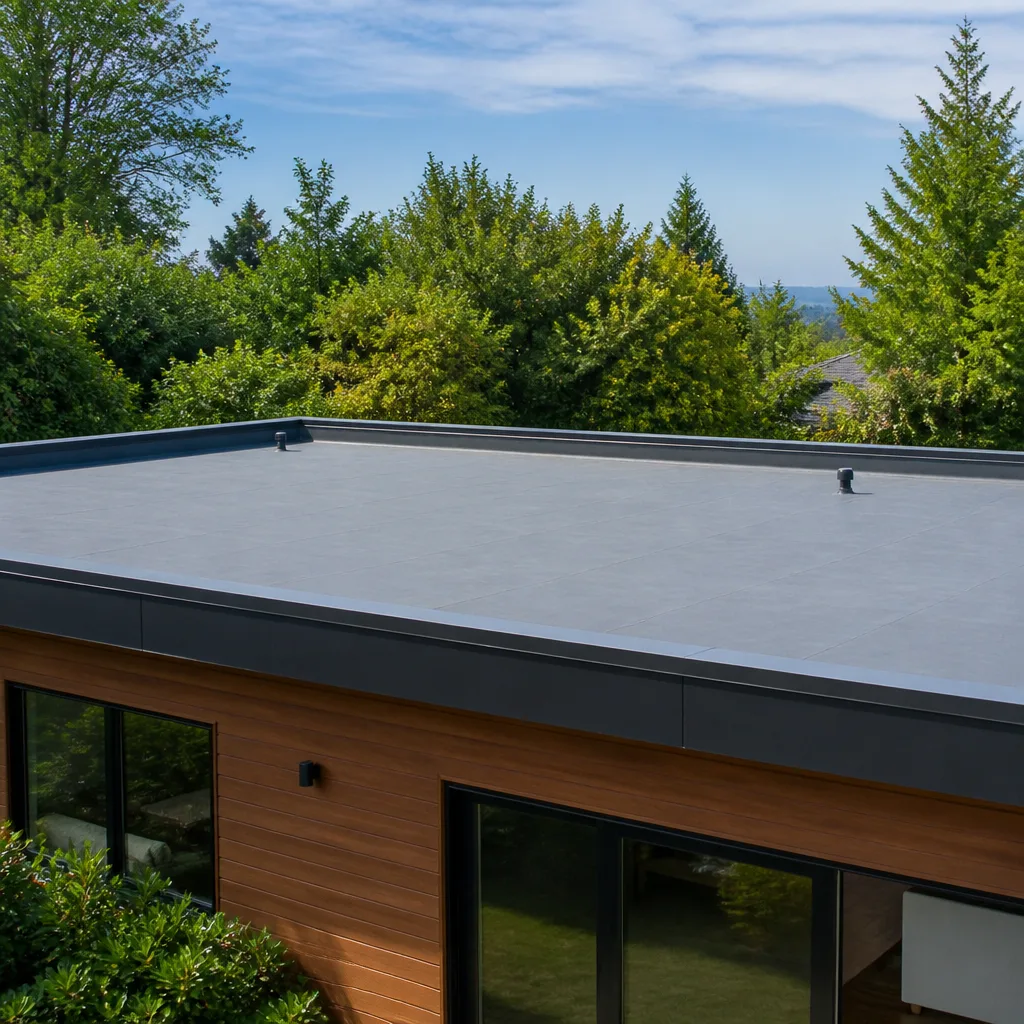 Flat & low-slope
Free roof inspection with deck photos before we talk money - GAF and Owens Corning certified installation
DIY vs Professional Roofing: The Buffalo Homeowner’s Decision Guide
Here’s what surprises most Buffalo homeowners who decide to patch or reshingle their own roof: the nails are usually fine. The shingles are laid straight, the lines are clean, and from the ground it looks like honest work. The problem is what happens in January, when a 94-inch snow season settles onto a roof where every fastener is only an inch from where it should have been. Buffalo’s freeze-thaw cycle doesn’t forgive the small errors that a roof in a milder climate shrugs off. This guide walks through which roofing tasks a homeowner can reasonably take on, which ones need a professional, and what the real cost difference looks like once the climate’s demands are factored in.
Styles & brands we work with
- Architectural shingles
- Metal roofing
- Tile roofing
- GAF
- Owens Corning
- Flat & low-slope
Quick Answer
For most Buffalo homeowners, DIY roofing should be limited to gutter clearing, visual inspection from the ground, and very minor flashing re-sealing. Full shingle replacement, underlayment work, and any repair involving the roof deck are professional jobs, because Buffalo’s snow load, ice damming, and thermal cycling punish small installation errors within two seasons, and most manufacturer warranties and storm insurance claims require documented professional installation.
Table of Contents
- Why Buffalo Punishes Small Installation Errors
- What a Homeowner Can Safely Do
- What Needs a Professional, and Why
- How DIY Affects Warranties and Insurance
- The Honest Cost Comparison
- The Phased Middle Path
- Common Mistakes to Avoid
- When to Call a Professional
- Frequently Asked Questions
- The Bottom Line
Why Buffalo Punishes Small Installation Errors
A roof in a dry, stable climate is forgiving. Buffalo is not that place. The city sits in a lake-effect snow corridor, and the average seasonal snowfall creates a roof environment where shingles endure constant cycles of loading, melting, refreezing, and wind from off the lake. The difference between a roof that holds for twenty-five years and one that needs repairs in five is often measured in fractions of an inch.
Nail placement is the clearest example. Manufacturers specify a nail zone on each shingle, usually a strip about three-quarters of an inch wide. Drive the nail above that zone and the shingle tab lifts in a wind event. Drive it below and the shingle above doesn’t seal properly. Drive it at a slight angle, or through a previous fastener hole, and the holding power drops. An experienced roofer’s hands do this consistently across thousands of nails. A homeowner on a rental nail gun, leaning over a steep pitch, tired on the second day of a weekend project, does not.
Flashing seat depth is another tolerance that matters more in Buffalo than in a place like Raleigh. Step flashing along a chimney or sidewall has to sit into the shingle course at a precise overlap. If it’s set too shallow, melting snow finds the gap during a thaw, freezes again at night, and pries the flashing open slightly. Repeat that forty times in one winter and the “minor” gap becomes a leak path. Overlay dimensions run the same risk. Shingle side laps specified at six inches that drift to five and a half create staggered seam lines where wind-driven rain or fine, wind-blown snow can penetrate.
Then there’s the roof deck itself. A professional inspection before a replacement catches rotted sheathing, dropped deck boards, or inadequate nailing into the trusses. A homeowner tearing off shingles often discovers this damage mid-project, on a weekend, with a tarp and a weather forecast turning. That’s the moment when a project that was supposed to save money starts generating stress, mistakes, and sometimes, a more expensive professional call than the original estimate would have been.
What a Homeowner Can Safely Do
We say this without condescension: there are roofing tasks in Buffalo that a conscientious homeowner should absolutely handle. Not every roofing need is a professional job, and pretending otherwise would be dishonest. The key is knowing the line between maintenance and installation.
Gutter maintenance is the most valuable homeowner task on the list. In a lake-effect climate, a clogged gutter backs up water that freezes along the eave, and that’s how ice dams start. Cleaning gutters in the fall, before the snow season locks everything in place, is straightforward work with a ladder, gloves, and a hose. It also gives a homeowner a chance to notice loose shingle granules, lifted tabs, or pieces of flashing that have come free.
Visual inspection from the ground is another legitimate homeowner task. After a heavy snow or a windstorm, walk the perimeter and look for visible damage: shingles on the lawn, bent flashing, sagging gutters, or sections of roof that shed snow differently from the rest. We’re not talking about climbing a ladder onto a snow-covered pitch, which no homeowner should do in the winter. We’re talking about ground-level observation that gives you information before you call anyone.
Minor flashing re-sealing is a borderline task that we’ll cautiously include. If a small section of pipe boot caulk has dried and cracked, and you can reach it safely from a ladder without walking the roof, a tube of quality roofing sealant applied to a clean, dry surface can buy a season. This is a stopgap, not a repair. If the flashing itself is torn, corroded, or pulling away from the penetration, that’s a professional job, because the fastening underneath is what’s failing.
What all three of these tasks share is that they don’t involve opening the roof system. The shingle field, underlayment, and flashing layers remain intact. You’re maintaining what exists, not creating new work that the next storm will test.
What Needs a Professional, and Why
Anything that opens the roof envelope belongs in the professional column. The list starts with full roof replacement, but it includes several smaller jobs that homeowners underestimate.
- Ice dam removal. Chipping ice with a hammer or axe is dangerous for you and worse for the shingles underneath. Professionals use steam or calcium chloride systems that clear the dam without destroying the roof surface. A homeowner with a pry bar often creates the leak they were trying to prevent.
- Underlayment installation. The underlayment is the waterproofing layer that keeps the roof dry while shingles handle the cosmetic and UV load. Laying it too loose lets it wrinkle; too tight causes it to tear at fasteners. In Buffalo’s freeze-thaw cycle, a single underlayment ridge becomes a dam that traps meltwater. This is a professional’s layer.
- Any repair involving the roof deck. Rotted sheathing, soft spots, or truss damage require an assessment of the structural system, not just a patch. A professional can tell whether the decking problem is localized or a sign of broader ventilation or moisture failure.
- Flashing replacement around chimneys, skylights, and sidewalls. These transitions are where most Buffalo leaks start, and they involve cutting, bending, and fastening metal to precise dimensions. Improvised flashing is a common source of callbacks.
- Full shingle replacement. The fastening precision, layout planning, and tear-off sequencing involved in a complete roof are the hardest parts of the trade, and the parts where DIY error has the most expensive consequences.
Tidewater Roof Repair takes an inspection-first approach to every one of these jobs. We look at the whole roof before recommending anything, because a leak in the shingle field is often a failure in the flashing or underlayment, and the only way to know is to assess what’s underneath. The same team that inspects the roof performs the repair or replacement, so the diagnosis doesn’t get lost in a handoff.
How DIY Affects Warranties and Insurance
This is the section most DIY guides skip, and it’s the one that matters most in a Buffalo winter. A shingle you install yourself is a shingle with no manufacturer warranty. That’s not a scare tactic; it’s how the warranty documents read.
Shingle manufacturers like GAF and Owens Corning write their material warranties to cover defects in the shingles themselves, not failures caused by installation error. When a homeowner installs those shingles, and a wind event lifts tabs two winters later, the manufacturer’s response is predictable: the installation wasn’t to spec. A professional installation creates a paper trail that a homeowner’s ladder-and-nail-gun weekend cannot replicate, and that paper trail is the difference between a claim being honored or denied.
Homeowner’s insurance is the larger issue, and Buffalo’s lake-effect weather makes it relevant every year. After a storm, insurers in New York State typically request documentation: photos of the damage, a repair estimate from a licensed contractor, and often proof that the work was completed by a professional. A homeowner who installed their own roof and then files a claim for storm damage is asking the insurer to pay for work that has no documented installation standard. Some policies cover the materials but not the labor. Some deny the claim outright. None of them cover the cost of re-doing a DIY installation that failed because a nail was placed wrong.
CertainTeed and IKO have similar warranty structures. The materials are warrantied against manufacturing defects. The installation is the installer’s responsibility. When a homeowner installs both, the homeowner is the installer, and the homeowner is warranting their own work. That’s a poor position to be in during a Buffalo ice dam season.
The Honest Cost Comparison
The material cost savings of a DIY roof repair or replacement are real. Shingles, underlayment, nails, and flashing can be purchased at retail for less than a contractor’s material costs, and a homeowner saves the labor line entirely. On a small roof, that’s a meaningful number. On a full replacement, it can look like tens of thousands of dollars left on the table.
The risk envelope is where the calculation changes. A professional installation carries a labor warranty and a manufacturer-backed material warranty. A DIY installation carries neither. The question isn’t what you save today; it’s what a callback repair costs within three years, and how likely that callback is in a lake-effect zone.
Here’s the honest way to think about it. In a stable climate, a careful DIY installation with minor fastening errors might last fifteen years before anyone notices. In Buffalo, the same errors show up in two to three seasons, because snow load and ice damming actively work against the weak points. A tab that’s nailed one inch high doesn’t matter in a dry climate. In a winter where the roof holds four feet of snow and the eaves cycle through daily melt and refreeze, that tab is the crack the wind finds.
Then there’s the cost of a professional repair on a DIY install that’s failing. A contractor called to fix a DIY roof doesn’t just replace the failed shingles. They assess the fastening pattern, and if the pattern was wrong in one section, they assume it’s wrong everywhere. That often means a full re-nailing or an early full replacement. The homeowner who saved eight thousand dollars on labor now faces a replacement five years earlier than a professional install would have required, and either pays for the work or sells a house with a compromised roof.
The Phased Middle Path
There’s a reasonable middle ground that almost no DIY roofing guide on the internet discusses, and we think Buffalo homeowners deserve to know it exists. The phased approach splits the work: a contractor handles the parts that demand climate-specific precision, and a skilled homeowner handles the parts where error is recoverable.
The cleanest version of this is underlayment and flashing by professional, field shingles by homeowner. The underlayment is the water-shedding layer that has to be perfect, and the flashing is the detail work where most leaks start. Those are the parts worth paying a professional to do right. The field shingles are the flat, repetitive middle of the roof, and a patient homeowner can lay them competently under supervision.
We should be candid about the practical obstacles. Most roofing contractors will not accept this arrangement. It splits liability, it complicates scheduling, and it puts a professional’s name on a project where another person’s work sits between their layers. Some contractors will do the preparation and then step back. Others will inspect a homeowner’s shingle work and offer a signed approval before the roof is considered complete.
If the phased approach interests you, the conversation has to happen before any work begins. Ask the contractor directly whether they’ll do the underlayment and flashing and let you handle the shingle field, and whether they’ll inspect your work before signing off. Most will say no, and that’s a legitimate position. The ones who say yes are worth working with, because they understand that an informed homeowner is not a threat to good roofing.
Common Mistakes to Avoid
- Assuming a nicely laid shingle field means a sound roof. The shingle field is the visible layer. The underlayment, flashing, and fastener pattern underneath are where roofs actually fail, and those layers aren’t visible from the ground.
- Tearing off shingles on a Friday with no plan for the weekend forecast. Buffalo weather turns quickly, and an open roof deck is a liability the moment rain or snow arrives. Professional crews sequence tear-off so the deck is never exposed longer than necessary.
- Reusing old flashing because it “looks fine.” Flashing corrodes, pries loose, and loses its seal over time, and the failure happens at the seam, not the visible surface. New flashing is a small cost against a leak that rots decking.
- Climbing onto a snow-covered or ice-covered roof to inspect damage. No diagnosis is worth a fall. Ground-level inspection and a professional’s ladder work are the safe options in Buffalo’s winter.
- Buying shingles without checking which manufacturers a future repair will need. Not every shingle line is available in every market, and a discontinued color or line means an entire slope may need replacement after a localized repair. Professional access to multiple manufacturers matters more than homeowners realize.
- Ignoring ventilation when upgrading the roof. A new roof on an under-ventilated attic traps heat that accelerates shingle aging and contributes to ice damming. Ventilation is part of the roofing system, not an optional add-on.
When to Call a Professional
Call a professional when the work involves opening the roof system, when the leak is active, when flashing has failed around a penetration, or when the decking shows signs of rot. Also call after any storm that leaves visible shingle damage, because the hidden damage is usually larger than the visible damage, and insurers want a documented professional assessment. If you’re selling the home, a professional inspection before listing avoids the last-minute discoveries that kill deals. Tidewater Roof Repair offers free estimates in Buffalo, and our inspection-first process means you get a diagnosis before you hear a dollar figure. Call (866) 389-4577 to schedule yours.
Frequently Asked Questions
A DIY replacement saves the entire labor line, which on a typical Buffalo roof represents half to two-thirds of the total project cost, but that savings evaporates if a callback repair or early re-nail becomes necessary, which is more likely in a lake-effect climate than in a milder market. Call (866) 389-4577 for a free estimate on professional work so you can compare the real numbers.
Yes, in the sense that the manufacturer’s material warranty covers defects in the shingles, not installation errors, and a homeowner who installs their own roof has no installer to hold accountable when a wind event lifts tabs. Professional installation creates the documentation that warranty claims require.
Gutter cleaning, ground-level visual inspection, and minor flashing re-sealing are the tasks a homeowner can handle safely in Buffalo. Anything that opens the roof envelope, including underlayment, decking, and shingle replacement, is professional work, particularly in a climate with a heavy snow load.
Most municipalities in New York State require a permit for roof replacement, and the process typically requires documentation of the materials and installation method. Ask your city’s building department what they require before starting any tear-off work. Call (866) 389-4577 if you’d like guidance on the permit path in Buffalo.
Insurers in New York State typically request photos of the damage, a repair estimate from a licensed contractor, and documentation that the work was completed by a professional. A DIY installation often doesn’t meet the documentation standard, and some claims are reduced or denied as a result.
It’s possible, but only if the contractor agrees in advance. Most will decline because it splits liability, but some professionals will prepare the underlayment and flashing, let you handle the shingle field, and inspect your work before signing off. The conversation has to happen before any work begins. Call (866) 389-4577 and we’ll tell you honestly whether we can structure a phased approach for your roof.
The Bottom Line
The DIY versus professional question in Buffalo isn’t really about skill. It’s about tolerance. A roof in this climate has a narrower margin for error than the same roof in a milder market, and the mistakes that show up two winters later are the ones that cost real money. Homeowners can handle maintenance, ground-level observation, and very minor sealant work. Installation, repairs involving the roof system, and anything that touches flashing or underlayment are professional territory. The savings from DIY are real on paper, but the risk envelope in a 94-inch snow season changes the math. The most honest approach is an inspection first, a diagnosis, and then a decision based on what the roof actually needs.
Written by the team at Tidewater Roof Repair, serving Buffalo since 2011.
See the difference
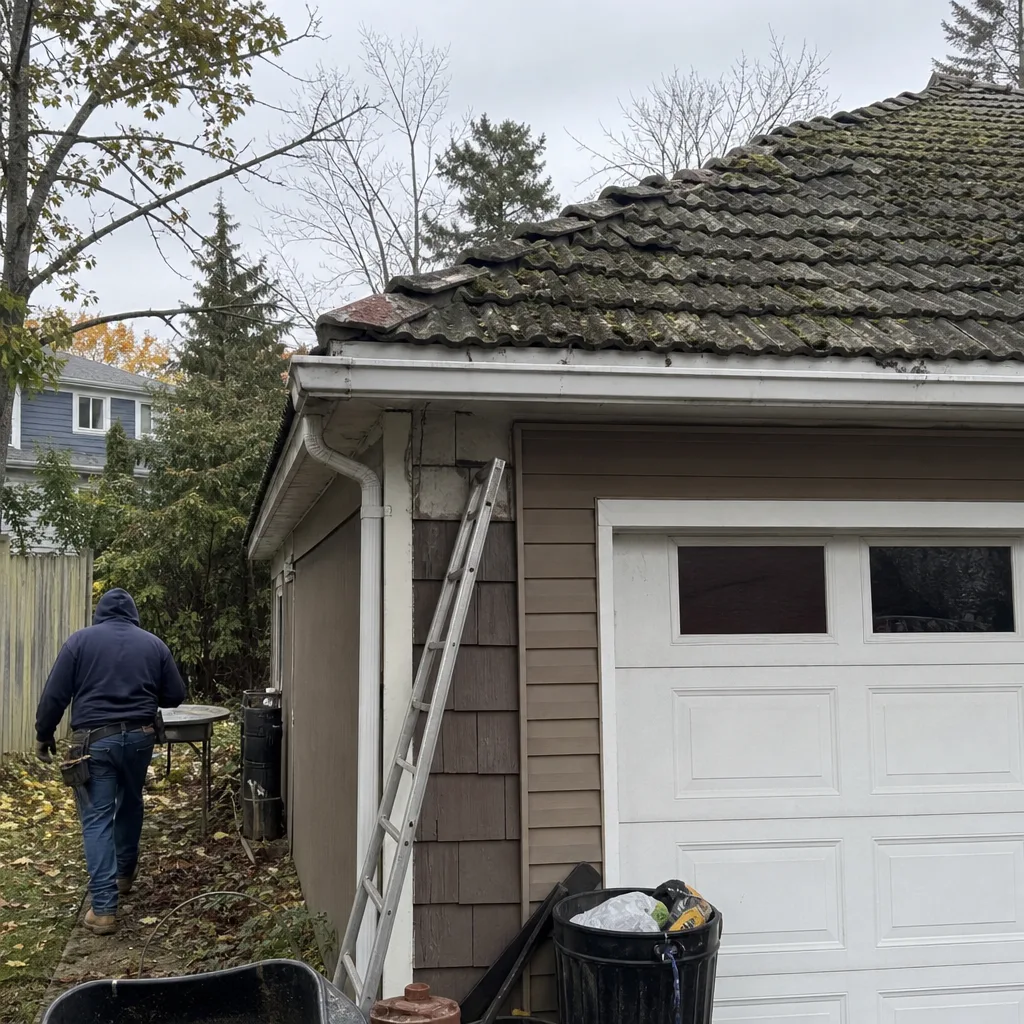 Before
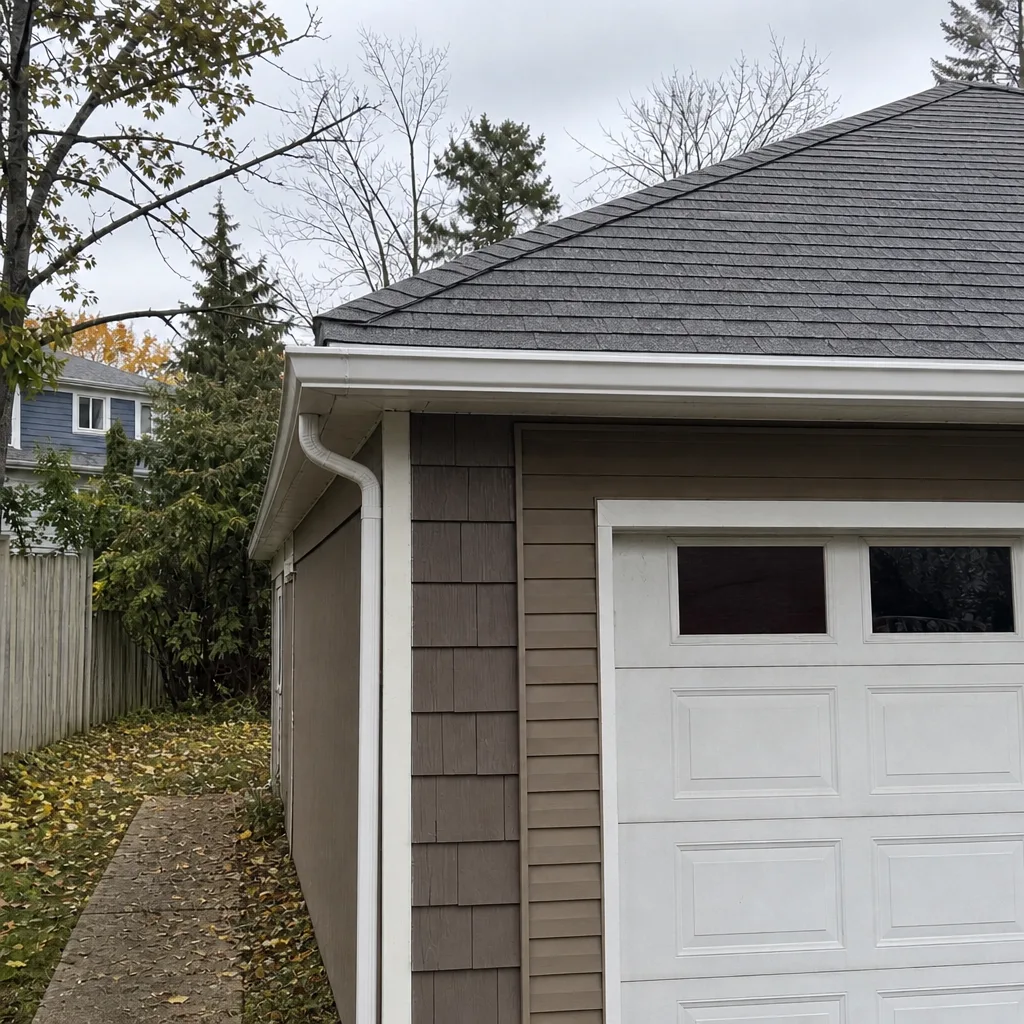 After
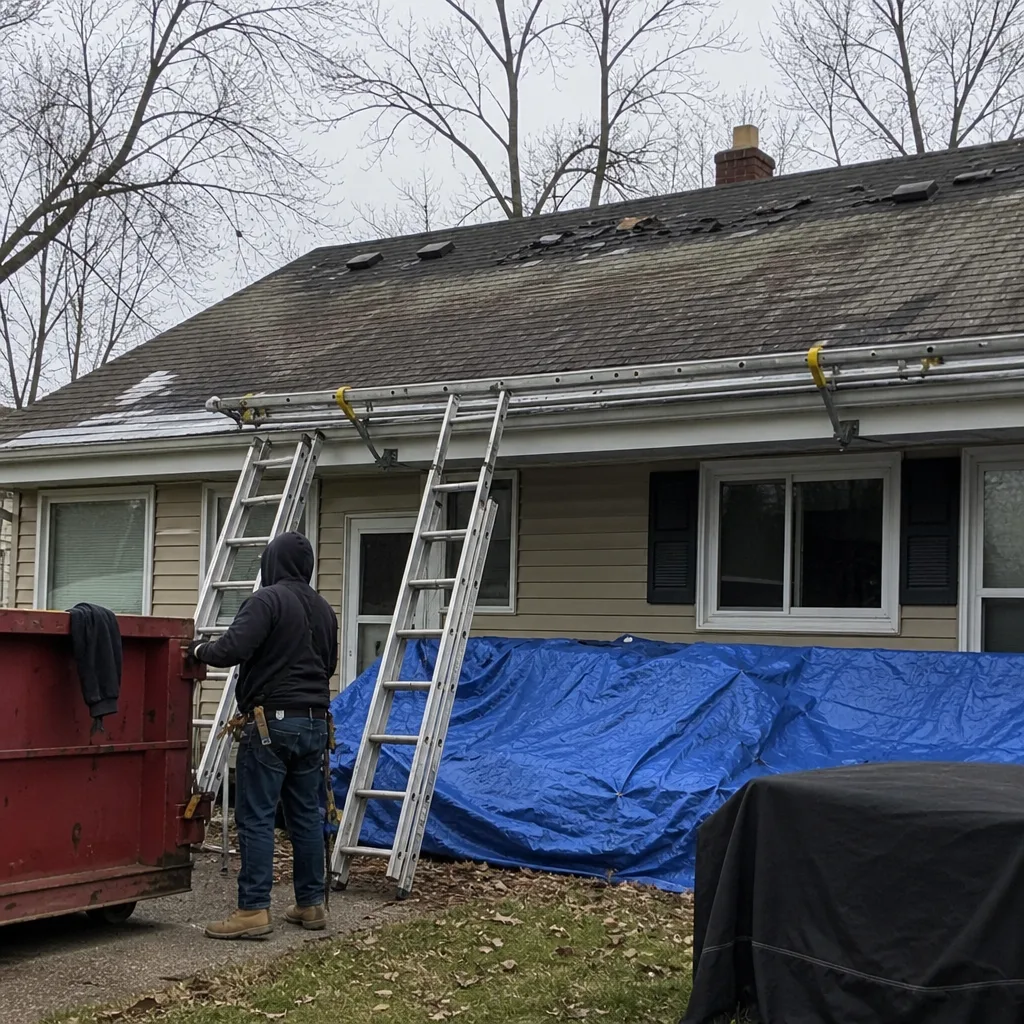 Before
 After
 Before
 After