
Last updated November 14, 2026
 Architectural shingles
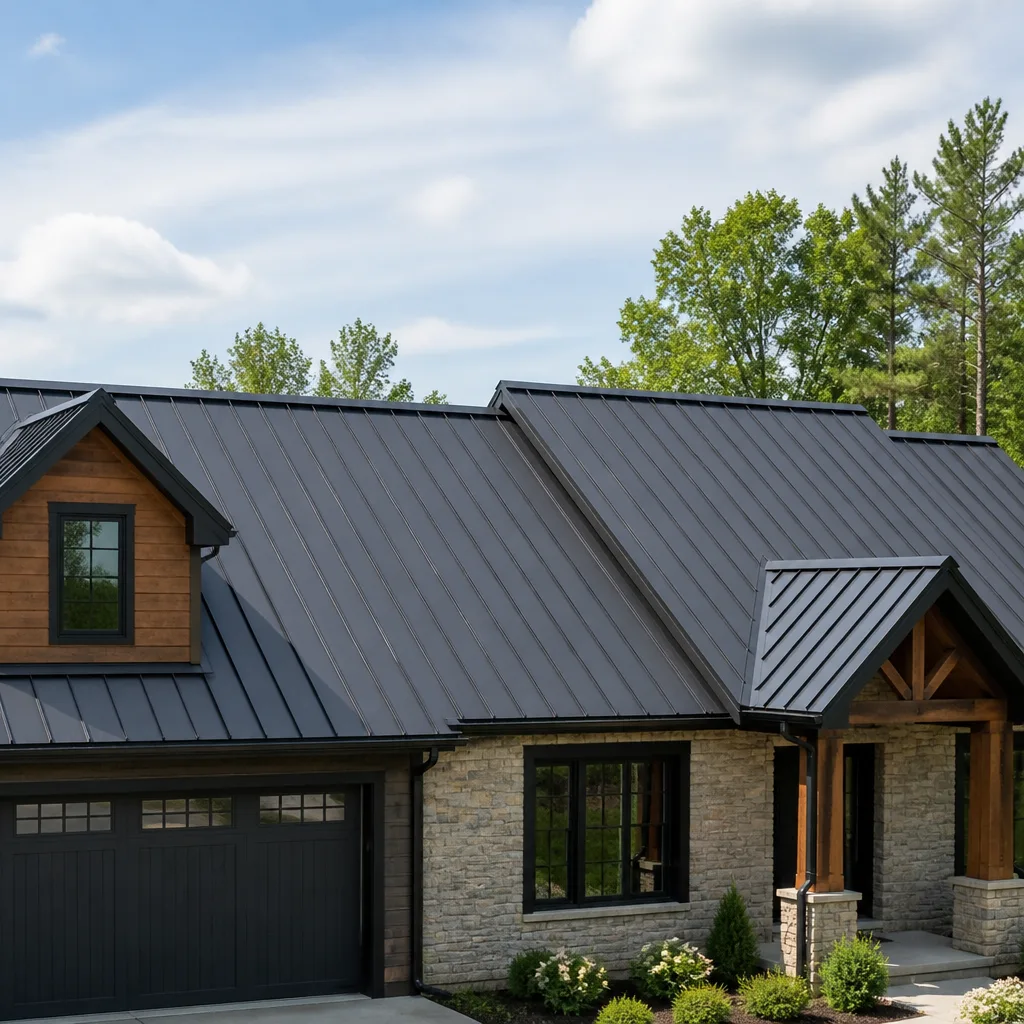 Metal roofing
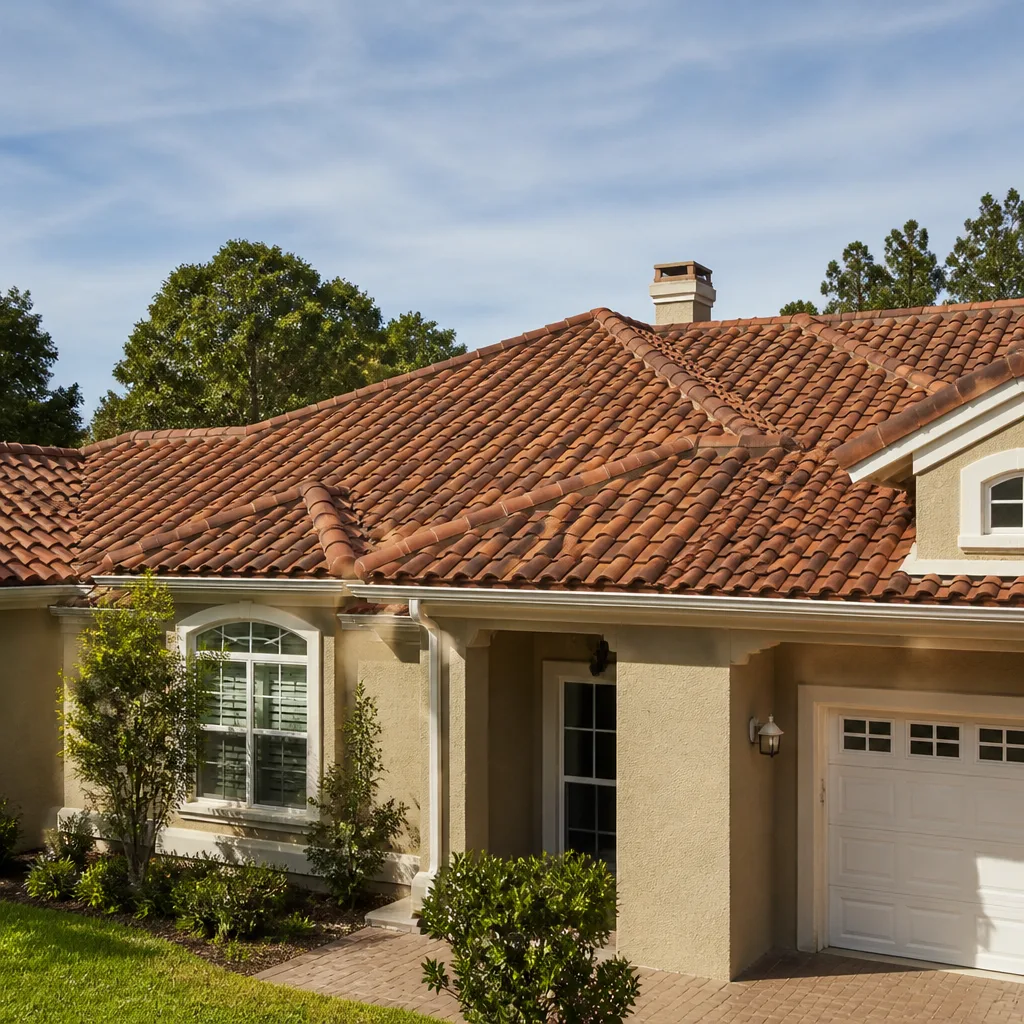 Tile roofing
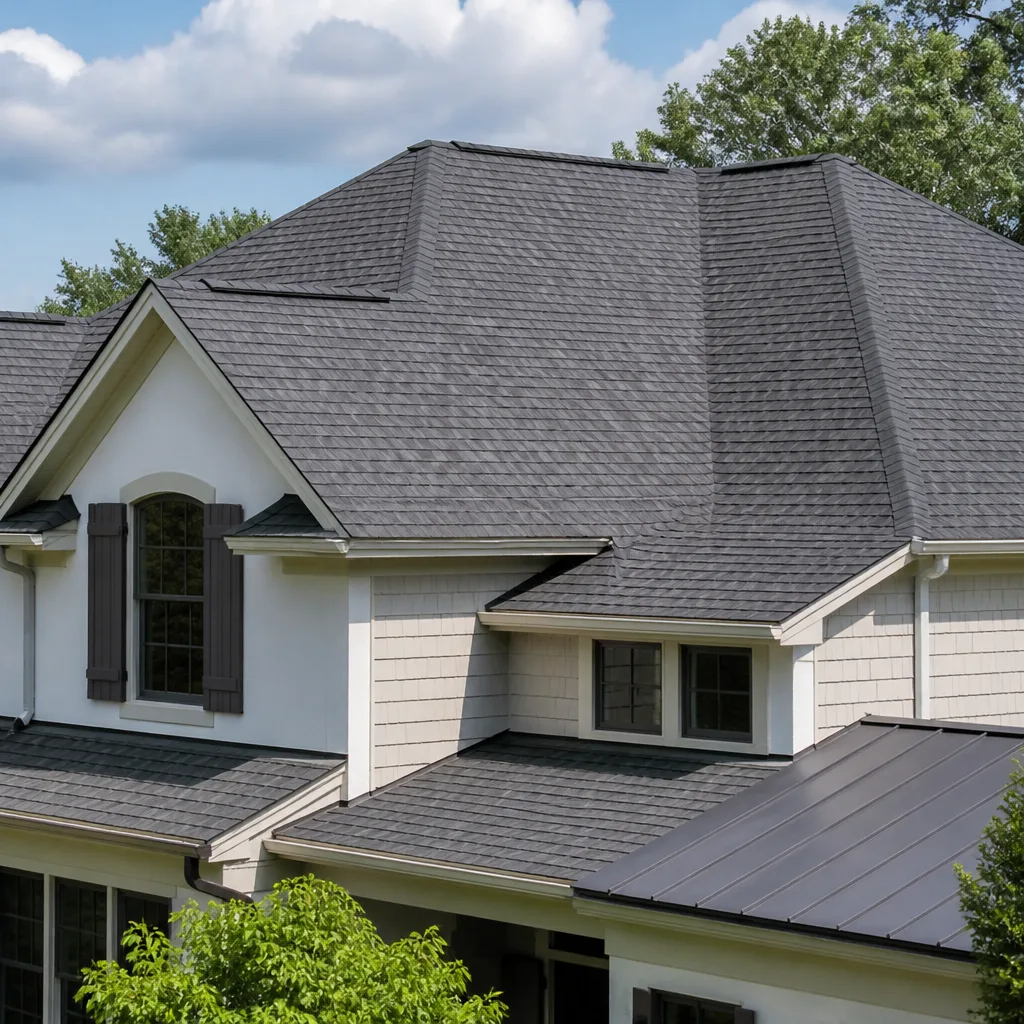 GAF
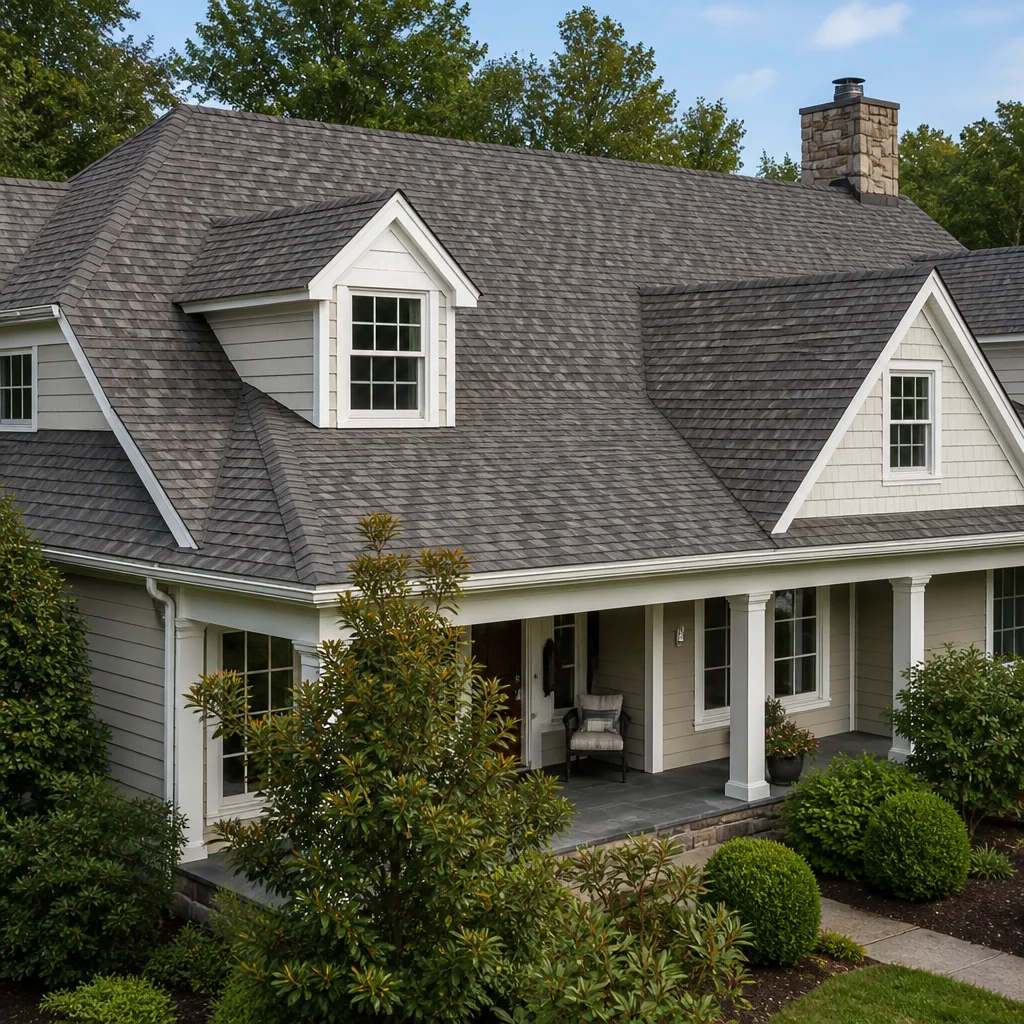 Owens Corning
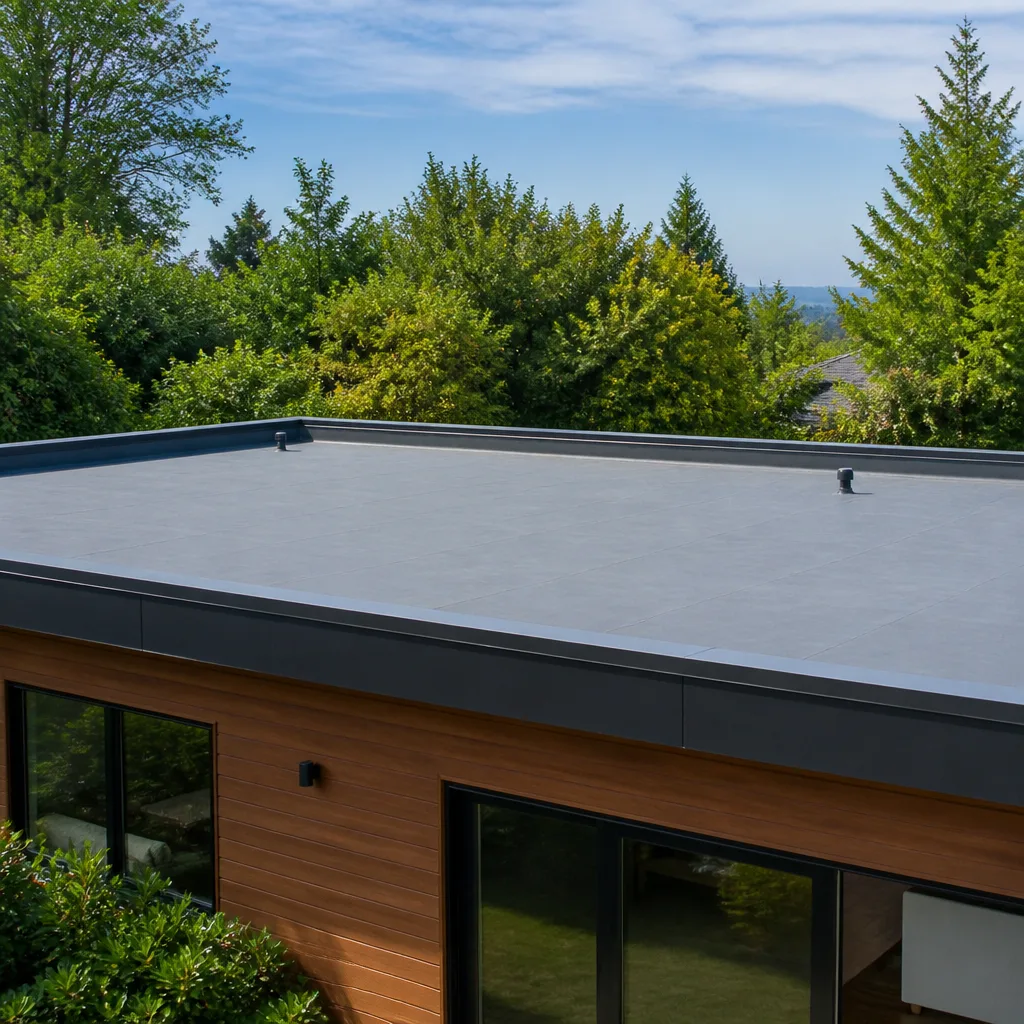 Flat & low-slope
Free roof inspection with deck photos before we talk money - GAF and Owens Corning certified installation
The Complete Roof Repair Guide for Buffalo Homeowners
Buffalo averages 94 inches of snow per year, but the snowfall itself is rarely what destroys a roof. The damage comes later, when temperatures swing and the melt-refreeze cycle begins. A roof that sheds snow cleanly for six weeks can fail in one January thaw because water found a seam, froze, expanded, and pried the flashing loose. This guide covers the repair mechanics that actually matter for Western New York homes: freeze-thaw stress, ice dam diagnosis, inspection sequences, and the honest math on repair versus replacement.
Quick Answer
Roof repair in Buffalo is driven by freeze-thaw cycling, lake-effect snow load, and ice damming, not just age or wind. The right first move is a full inspection that separates moisture-driven damage from structural or wind damage, because the repair approach is different for each. Most Buffalo homeowners can make a sound repair decision by understanding how their roof pitch, attic ventilation, and flashing interact with winter weather.
Styles & brands we work with
- Architectural shingles
- Metal roofing
- Tile roofing
- GAF
- Owens Corning
- Flat & low-slope
Table of Contents
- How Buffalo Weather Breaks Roofs Differently
- Ice Dam Damage vs. Wind Damage: Why the Distinction Matters
- What a Buffalo Roof Inspection Should Cover After a Heavy Winter
- Repair vs. Replacement: How to Tell Before You Spend
- How Roof Pitch and Attic Ventilation Interact With Buffalo Winters
- Flashing, Adhesive Strips, and Ridge Caps: The Freeze-Thaw Weak Points
- Common Mistakes to Avoid
- When to Call a Professional
- Frequently Asked Questions
How Buffalo Weather Breaks Roofs Differently
A roof in Atlanta ages under UV exposure and heat. A roof in Phoenix bakes under dry sun and occasional monsoon wind. A roof in Buffalo ages under a completely different mechanism: water that enters small gaps, freezes, expands, and then thaws again. That cycle repeats dozens of times per winter, and each repetition widens the gap a little more.
The snow load itself is real. 94 inches annually, much of it lake-effect, can accumulate in concentrated bands across the metro area. But structural deck failure under snow load is rare in homes built to modern building code. The far more common failure path is moisture. Meltwater runs down the roof. It hits an ice dam, or a degraded shingle seal, or a nail hole in the flashing, and it finds a way under the roofing material. When the temperature drops again, that water freezes in place and expands by roughly nine percent. The expansion lifts the shingle, cracks the sealant, or separates the flashing from the deck. The next thaw lets water go deeper.
This is why a Buffalo homeowner’s repair questions rarely match what a generic online guide talks about. The guide says “check for missing shingles.” The Buffalo homeowner is looking at a brown ceiling stain two feet inside the exterior wall, with no missing shingles at all. The water traveled there over three freeze-thaw cycles. That requires a different kind of diagnostic thinking.
Buffalo-specific roof repair also has to account for sudden warmth in mid-winter. A January day in the 40s after a week in the teens produces exactly the conditions that stress flashing and adhesive strips the most. Snow against a warm roof melts quickly, water runs to the eaves, and then the temperature collapses again. It is a punishing acceleration of the normal weathering cycle. Homeowners who treat these events as ordinary weather soon learn they are when most roof leaks in the region show up.
That is why Tidewater Roof Repair approaches every repair call as a moisture diagnostic, not a shingle replacement. The roof might have one obvious missing shingle, but the real question is where the water has been traveling and what it has already weakened underneath.
Ice Dam Damage vs. Wind Damage: Why the Distinction Matters
Misidentifying the cause of roof damage leads to repairs that fail again. A homeowner sees a leak near the gutter and assumes wind blew shingles off. A contractor patches the spot with new shingles. The next thaw, the leak returns, because the real cause was an ice dam forcing water backward under the shingles at the eaves. The repair treated the visible symptom, not the mechanism.
What Ice Dam Damage Actually Looks Like
An ice dam forms when heat from the attic melts snow on the upper roof, and the meltwater refreezes when it reaches the cold eaves. The dam builds, and water trapped behind it has nowhere to go except backward, under the shingles. The resulting leaks typically appear near exterior walls, at the ceiling-to-wall junction, or around windows, not directly under where the roof was damaged. Staining may appear in a line that tracks the roofline. The roof itself may look fine from the ground.
Repairing ice dam damage means addressing both layers: the damaged roofing material and the heat loss that created the dam in the first place. Without attic insulation or ventilation changes, the next winter recreates the same dam in the same place, and the repaired shingles eventually leak again.
What Wind Damage Actually Looks Like
Wind damage in Buffalo is usually direct physical uplift. Shingles get torn off, or creased so severely that the fiberglass mat cracks. It typically appears on the windward side, at edges and ridges where lift is strongest. Leaks from wind damage tend to appear directly under the missing or damaged shingle, following the path of rainfall.
The repair is straightforward: replace the damaged shingles, reseal the surrounding field, and check the ridge cap and flashing for hidden separation. Wind damage is far less likely than ice dam damage to be a recurring, building-wide problem, unless the original installation used weak adhesive or nails in the wrong place.
Why the Wrong Diagnosis Costs Money
- You patch the leak area with new shingles but do not touch the attic ventilation or insulation.
- The next hard freeze forms the same ice dam.
- Water enters through the same place, but now it has a second season to soak the decking.
- The sheathing swells and rots, and now the repair scope includes deck replacement.
A proper diagnostic sequence, the kind roof repair in the Buffalo market should always start with, separates these causes before a single shingle is purchased. We look at the attic first when we suspect ice damming, because the evidence is usually up there: frost on the underside of the sheathing, dark staining along rafter lines, or wet insulation near the eaves.
What a Buffalo Roof Inspection Should Cover After a Heavy Winter
After a Buffalo winter with heavy lake-effect snow and multiple freeze-thaw swings, a roof inspection should follow a specific sequence. Starting on the roof and skipping the interior is backwards. The interior often tells you where the water ended up, while the roof tells you where it got in. Both pieces of information matter.
Interior Sequence: Room by Room
- Start in the attic. Look for frost on nails, wet insulation, dark stains radiating from roof penetrations, and daylight visible through the decking. Frost on the underside of the sheathing is evidence of warm air condensing against a cold surface, the same mechanism that feeds ice dams.
- Check the whole ceiling perimeter of the top floor. Stains do not appear directly under the roof breach. They travel along joists and appear at wall joints, so work the perimeter carefully.
- Inspect closets and corners. These areas have less airflow and show moisture damage earlier.
- Look at bathroom and kitchen exhaust fans. These penetrations are common leak points, especially when they vent into the attic instead of through the roof.
- Note every stain, even small ones. Map them. Multiple stains in line often point to a single roof penetration or ice dam zone, not multiple leaks.
Exterior Sequence: Zone by Zone
- Ground observation first. From the ground, look for missing shingles, sagging ridge lines, moss streaks, and shingle granules in the gutters. Do not skip this step: the pattern of loss tells you where to focus.
- Eaves and gutters. Check for shingle granule buildup, which signals shingle wear, and look at the fascia for water stains that indicate overflow or ice dam overflow.
- Flashings. Chimney, wall step flashing, skylights, vent pipes, and valleys are the highest-risk zones in a Buffalo freeze-thaw climate. Look for lifted metal, cracked caulk, and missing fasteners.
- Ridge caps and hip lines. These see the greatest wind exposure and nearly constant contact with snowmelt. Cracked or loose caps are entry points.
- Field shingles. Look for lifted tabs, curling edges, and cracked shingles, especially on south-facing slopes that get the strongest sun on clear winter days, followed by rapid refreezing.
- Walk the roof if safe and accessible. A roof-level inspection finds issues no ground view can catch: spongy decking, loose nails, and small punctures from falling branches.
At Tidewater Roof Repair, our Roof Inspection service exists as a standalone diagnostic, not a sales call that always ends in a replacement quote. We have walked enough Buffalo roofs to know that the visible problem and the real problem are often not the same thing. We inspect first, we report what we find, and then we talk about what is necessary. No dollar figure gets built until the diagnosis is clear.
Repair vs. Replacement: How to Tell Before You Spend
The hardest decision for a Buffalo homeowner is whether to repair or replace. Contractors who sell replacements on commission have an incentive to say “replace” every time. Contractors who only do small repairs have an incentive to keep patching a roof that is past its useful life. Neither incentive serves you. The decision should come down to objective roof conditions.
When Repair Is the Sound Long-Term Fix
- The damage is localized to one slope, one penetration, or one flashing zone.
- The shingle field is still flexible and granule surface is intact.
- The decking underneath is solid, with no soft spots or delamination.
- Attic ventilation and insulation are adequate, so moisture is not building up inside the roof system.
- The roof is under 15 years old and the shingles are not showing widespread curling or granule loss.
- The leak can be traced to a single busted flashing or a single damaged section.
In these cases, a properly executed repair can return the roof to reliable service for years. Replacing the whole roof would be spending money on a problem that does not exist.
When Repair Is Borrowing Time
- Shingles are curling or cupping across multiple slopes, not in one isolated spot.
- Granules are washing into the gutters every season, leaving patches with visible bare fiberglass mat.
- The decking is soft in multiple places, indicating deep moisture penetration that is not isolated.
- Leaks appear in different rooms each year, even after specific repairs.
- The roof has ice damming at every valley and eave, regardless of attic conditions.
- Multiple layers of shingles are already in place.
When these conditions exist, another repair usually buys twelve to eighteen months before a different area fails. The money spent on repeated repairs starts to add up toward the cost of a roof replacement, without any of the long-term security. The honest recommendation is replacement, and it should come from a contractor who does both repair and replacement, so the recommendation is not pre-shaped by what they sell. At Tidewater Roof Repair, repair and replacement are handled by the same team that did the inspection. There is no handoff and no incentive to recommend the larger scope unless the roof genuinely calls for it.
How Roof Pitch and Attic Ventilation Interact With Buffalo Winters
Roof pitch and attic ventilation are the two silent variables that determine how much damage a Buffalo winter does to a roof. They either protect the roof or actively accelerate its failure. Their interaction with snow, heat loss, and meltwater is specific to cold-climate homes.
Roof Pitch and Snow
Steeper roofs shed snow more readily. A 6/12 or 8/12 pitch lets snow slide off before it compacts into dense, heavy layers. Low-slope roofs, anything under 3/12, hold snow longer. That extended contact gives meltwater more time to find its way under shingles or into membrane seams. It also gives ice dams more time to form, since snow stays in place against the cold eaves.
But steep pitch is not a cure. A steep roof with poor attic insulation will still melt snow at the deck level, producing meltwater that runs down and refreezes at the eave overhang, which is colder because it extends beyond the heated building envelope. Steep pitch helps with snow load, not with heat-driven ice dams.
Attic Ventilation and the Freeze-Thaw Cycle
Proper attic ventilation keeps the underside of the roof deck cold enough that snow does not melt from below and refreeze at the eaves. Intake vents at the soffits pull cold outside air in, while exhaust vents at or near the ridge release it. That continuous airflow keeps the deck temperature close to the outside air temperature. When ventilation is blocked, by insulation packed into the soffits or by inadequate exhaust area, the attic warms up and feeds the exact cycle that creates ice dams.
The visible result is uneven snowmelt on the roof: clear patches over warm attic zones, snow still sitting over the eaves. In Buffalo, where January thaws come rollercoaster-style, uneven melt is the first clue that the attic ventilation needs work. A repair guide that ignores this sends homeowners back up the ladder for the same problem next year.
Flashing, Adhesive Strips, and Ridge Caps: The Freeze-Thaw Weak Points
Three roof components bear the concentrated brunt of Buffalo freeze-thaw cycling, and they fail before the general shingle field does. Understanding why they fail tells you where to look first after a hard winter.
Flashing
Flashing is metal or membrane material installed at transitions: chimneys, walls, valleys, skylights, and vent pipes. It handles constant movement. The roof deck expands and contracts with temperature. The flashing, nailed to the deck and sealed to the shingles, has to flex without losing its bond. After enough freeze-thaw cycles, the caulk or sealant cracks, the fasteners work loose, and the metal lifts just enough for water to get underneath. The leak starts small and finds a path into the attic where it rewets every time the snow melts.
Copper and galvanized steel flashings typically outlast aluminum in this climate, but installation matters more than material. Any flashing that relies on sealant as the primary water barrier, rather than proper overlapping and counter-flashing, will fail eventually under Buffalo’s conditions.
Shingle Adhesive Strips
Architectural shingles have a heat-activated adhesive strip that bonds the tabs of the shingle above to the shingle below. That bond is designed for normal temperature swings, but Buffalo winter cycling tests it severely. A shingle tab lifted by wind or ice can fail to rebond when cold. The next storm gets under it. Over time, enough tabs unseal that the roof acts as if it has dozens of micro-openings, none visible from the ground.
When we see widespread tab separation on a Buffalo roof, it is almost always a sign that the shingle adhesive has lost its grip across the field. Repairing one or two tabs is fine. Repairing tabs across the entire roof is a sign that the replacement clock is running.
Ridge Caps
Ridge caps sit at the peak, where wind hits hardest and snowmelt runs constantly. They are nailed through the decking at the cap line, and every nail is a potential water entry point when the caulk cracks or the cap shroud lifts. In Buffalo, ridge caps get battered from both directions: wind uplift from the outside and moisture that works its way up from the attic side during freeze-thaw condensation cycles.
We usually recommend checking ridge caps before the snow arrives, not after. A damaged ridge cap discovered in November is a minor repair. A damaged ridge cap discovered in March after three months of meltwater running through it is a different scope entirely.
When repair is needed, having access to multiple manufacturers matters for Buffalo homes. A single-brand contractor will sell you whatever their supplier stocks. At Tidewater Roof Repair, we work across seven major roofing material manufacturers, including GAF, CertainTeed, and Owens Corning. The recommendation is matched to the roof conditions and your budget, not to one product line. That is the difference between a repair that fits the roof and one that merely fits the supplier.
Common Mistakes to Avoid
- Repairing the visible leak without finding the water path. The stain on the ceiling is usually not where the water entered. Fix the entry point, not the stain. If the path runs along a joist for eight feet before dripping through, patching at the stain does nothing.
- Waiting until spring to fix a winter leak. Buffalo winters are long, and a leak that starts in January has months to soak the decking and insulation before you get on the roof in April. The damage compounds. Address a winter leak as soon as it appears, even if it means a cold-weather temporary repair followed by a permanent fix in season.
- Assuming missing shingles are the whole problem. Wind damage is usually visible. Moisture damage is usually not. If you find missing shingles, look for what else the same storm may have loosened: flashing, ridge caps, and pipe collars.
- Paying for replacement when repair would do. Some contracting companies pitch replacement on every call. A second opinion from a company that offers both repair and replacement removes the financial incentive to oversell. We look before we quote, and we quote the scope the roof actually needs.
- Ignoring attic ventilation when the roof is repaired. If ice damming caused the leak, fixing the shingles without fixing the airflow means the same leak returns. The repair is only as good as the system around it.
- Skipping the inspection entirely and buying a roof over the phone. No legitimate Buffalo roofing recommendation should happen without on-site inspection. Roof pitch, exposure, existing deck condition, and attic ventilation all change the right answer. A phone quote is a guess.
When to Call a Professional
Call a professional roofer whenever you see a ceiling stain, missing shingles after a storm, or shingle granules accumulating in the gutters. Also call after any winter where ice dams formed at the eaves, even if no leak appeared inside yet. The water may be in the decking without showing itself. If you are selling a home in Buffalo, a documented roof inspection helps the transaction go smoothly and protects you from surprises during the buyer’s inspection. If you notice sunlight visible through the attic decking, or if the roof is nearing twenty years old and has never had a professional assessment, book the inspection before the next heavy season starts. Tidewater Roof Repair offers free estimates in Buffalo. Call (866) 389-4577 to schedule yours.
Frequently Asked Questions
Roof repair costs depend on the scope, the roof material, the roof pitch, and whether decking or ventilation work is required. A minor flashing or shingle repair is typically a few hundred dollars, while a larger repair involving deck replacement, underlayment, and ventilation can run into the thousands. We recommend getting a written, line-item estimate after inspection so you know exactly what you are paying for. Call (866) 389-4577 for a free estimate.
Most Buffalo roof repairs are completed in a single day, once the scope is defined and materials are on hand. Larger repairs involving deck replacement or complex flashing work may take two to three days depending on weather and roof accessibility. Your written estimate will include a realistic timeline based on your roof’s specific conditions.
Not at Tidewater Roof Repair. We write line-item quotes after inspection, and we do not change the price once work begins unless hidden damage requires a change order you approve in writing first. You will always know the scope before the crew starts.
Most cities and towns in Western New York require permits for roof replacement and many large repairs, and inspectors must pass the work before it is signed off. We handle permitting and inspection coordination as part of the job, so you do not have to manage that process yourself. Requirements vary by municipality, so we confirm what applies to your property.
Yes. Our Roof Inspection is a standalone diagnostic service. We inspect the roof, the attic, the flashings, and the ventilation, then we give you a straight answer on what needs repair, what can wait, and what is already past the point where repair makes sense. You will see the evidence yourself before any quote is built.
Yes. We work across seven major roofing material manufacturers, including GAF, CertainTeed, Owens Corning, IKO, and Atlas. The material recommendation is based on your roof conditions and budget, not on a single supplier relationship. That means you are not limited to what one brand makes.
The Bottom Line
Buffalo roofs fail by a specific mechanism: freeze-thaw cycling, lake-effect snow melt, and ice damming. A repair guide that ignores those forces cannot help you make a good decision. The sequence that works is inspection first, cause identification second, scope-matching third. Repair when repair is right. Replace when it is necessary. Understand how flashing, adhesive strips, and ridge caps fail so you know what to check after winter, and get a second opinion if someone pitches replacement without walking the roof. We look before we quote, and we fix what the roof actually needs. Not what a supplier wants to sell. Call (866) 389-4577 to schedule your free inspection.
Written by the team at Tidewater Roof Repair, serving Buffalo since 2011.
See the difference
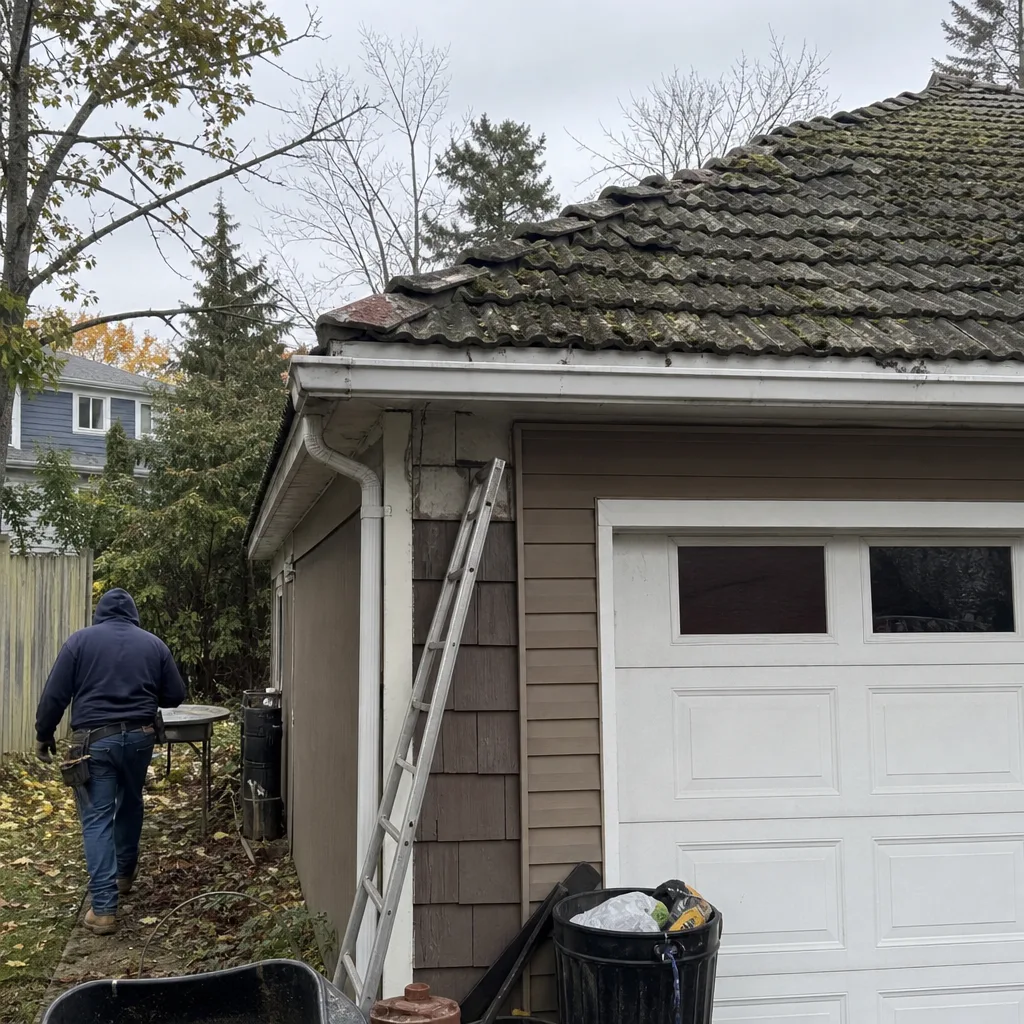 Before
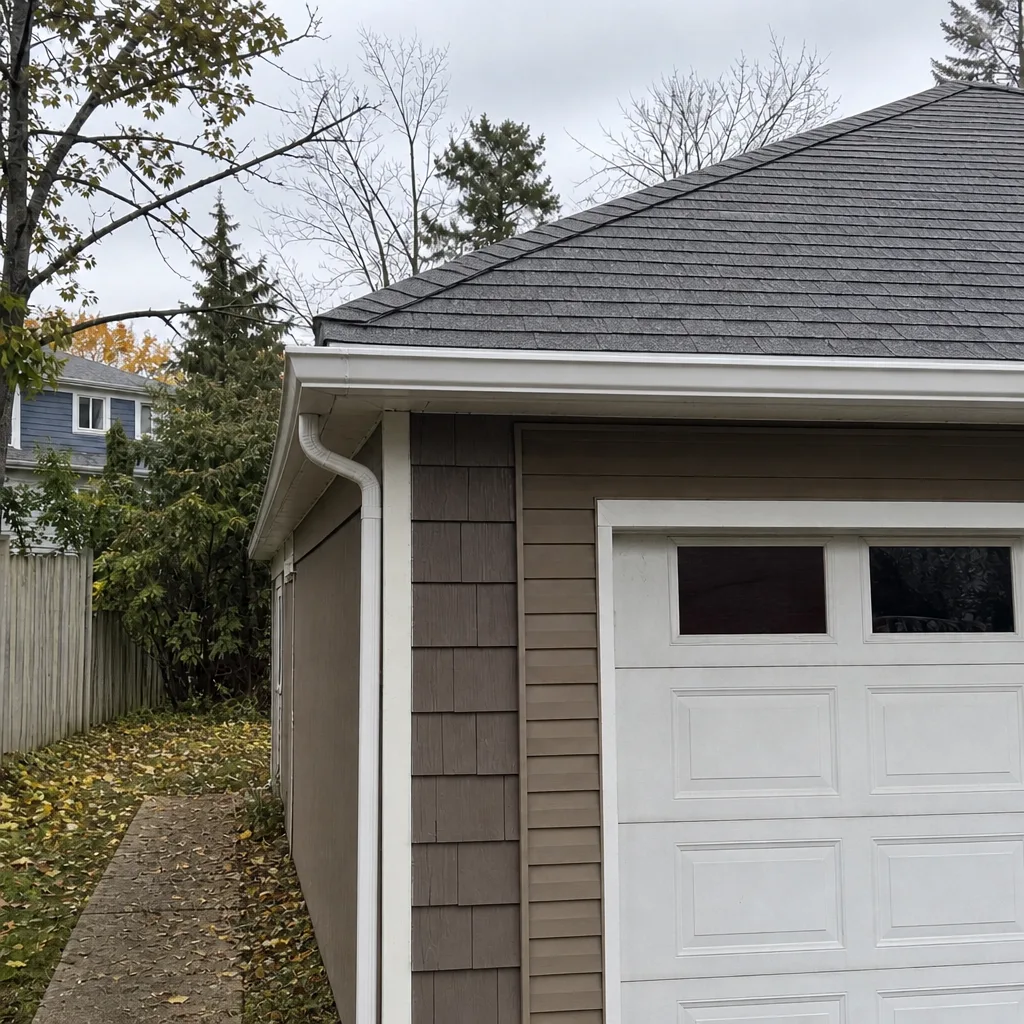 After
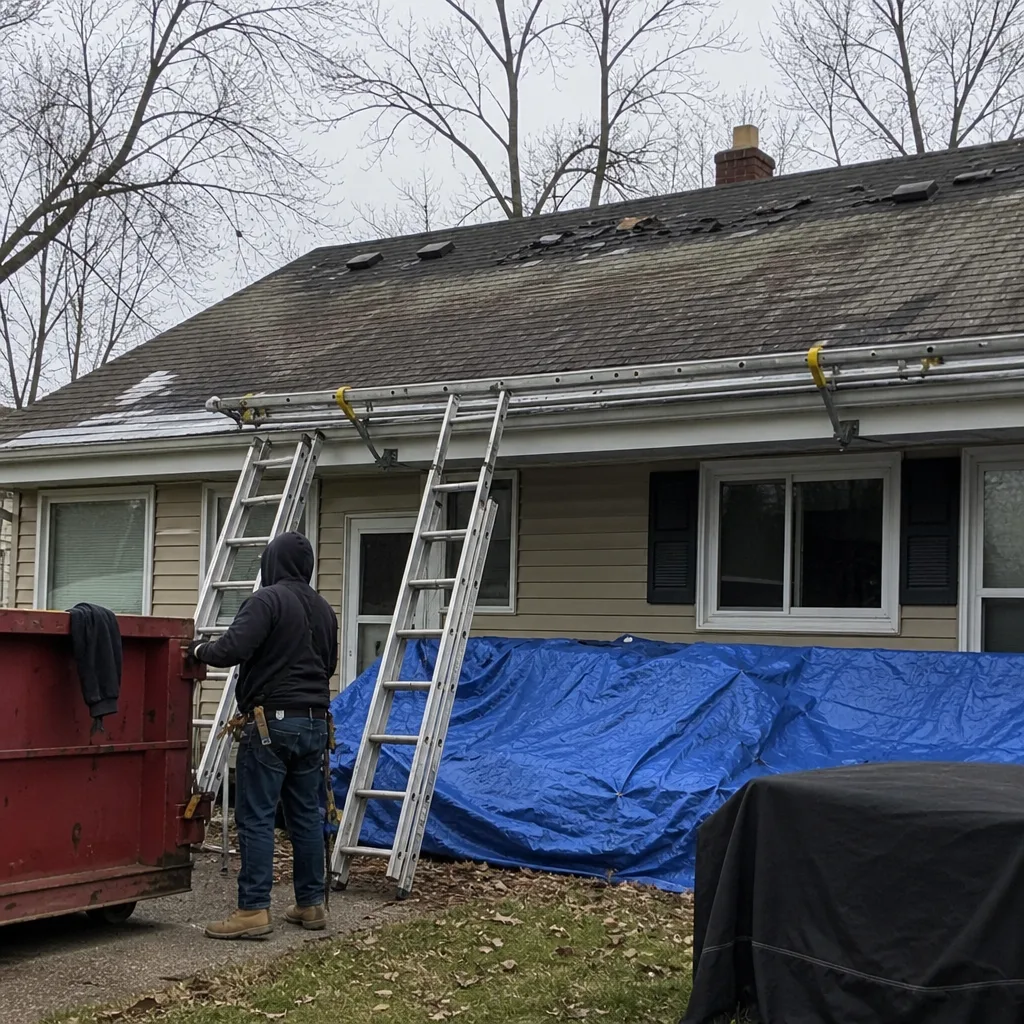 Before
 After
 Before
 After