
Last updated November 14, 2026
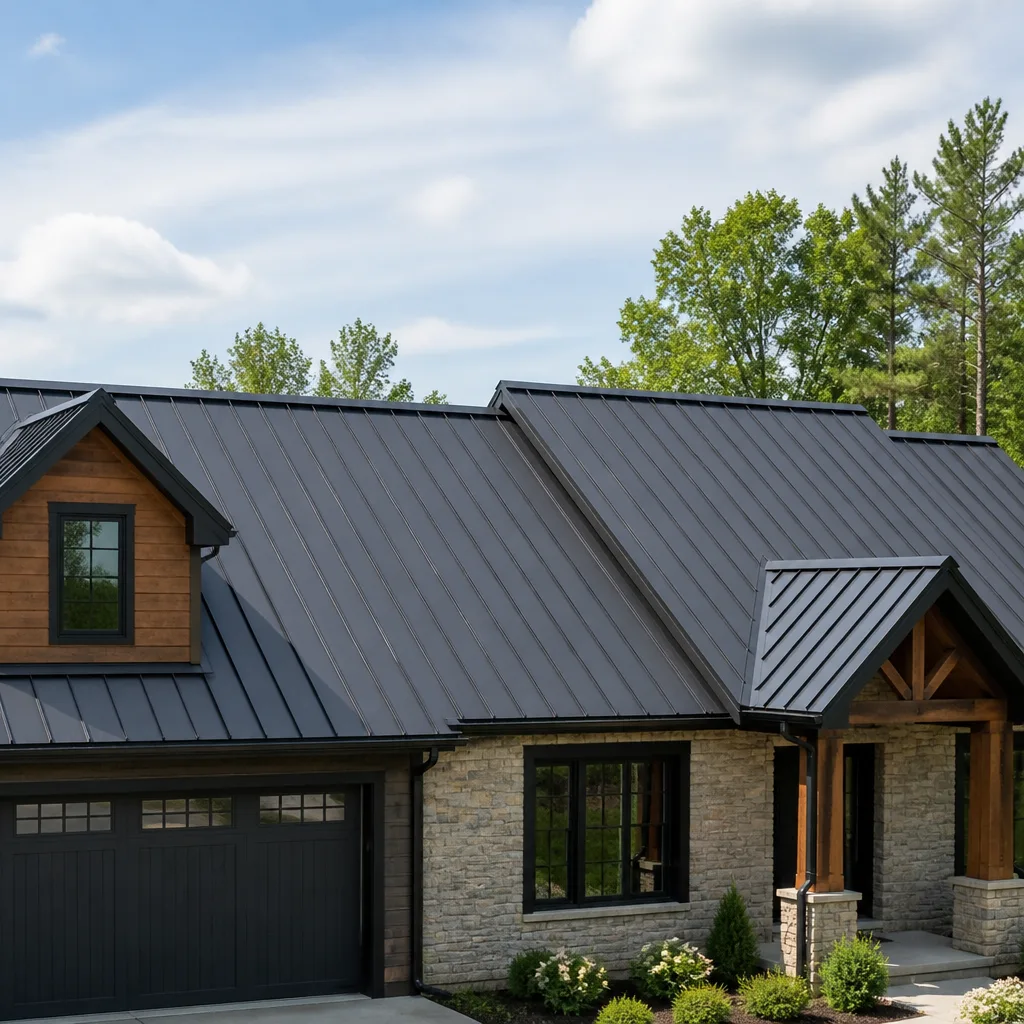 Metal roofing
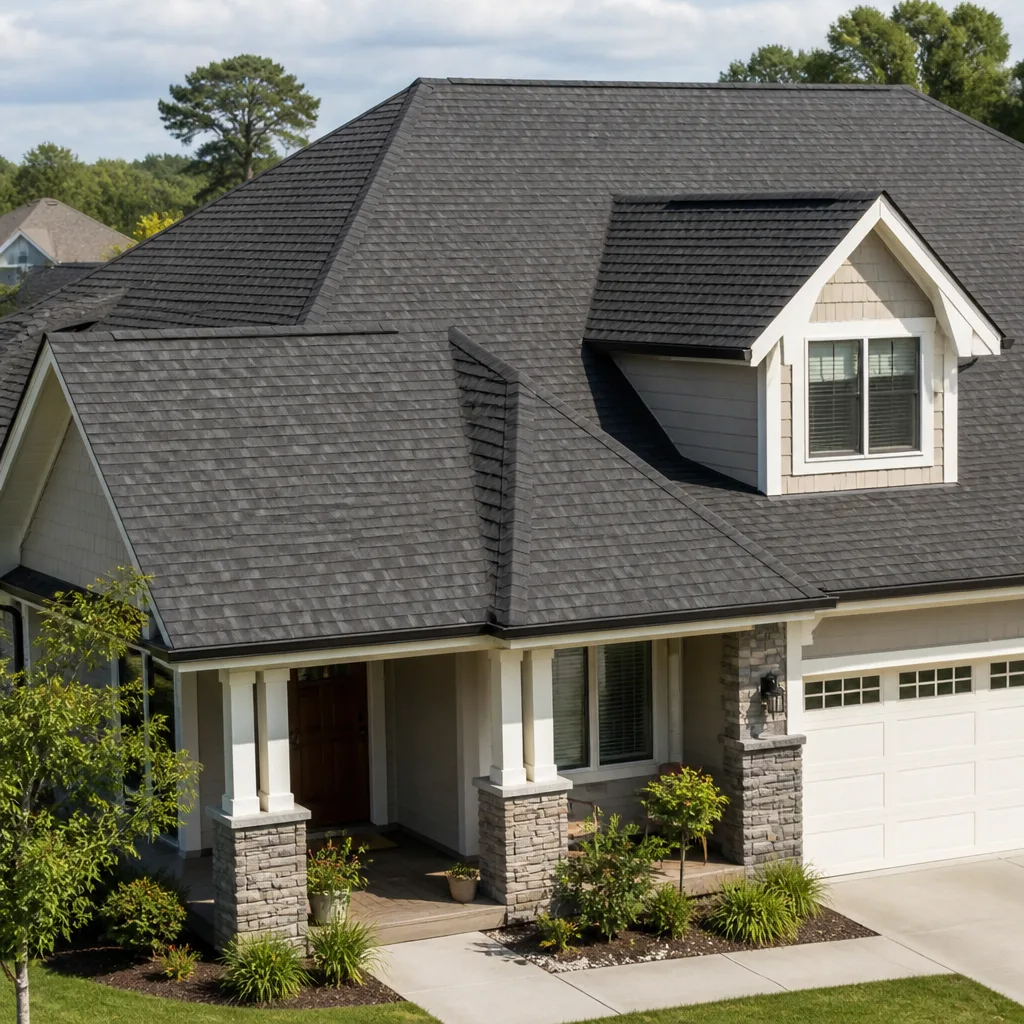 Architectural shingles
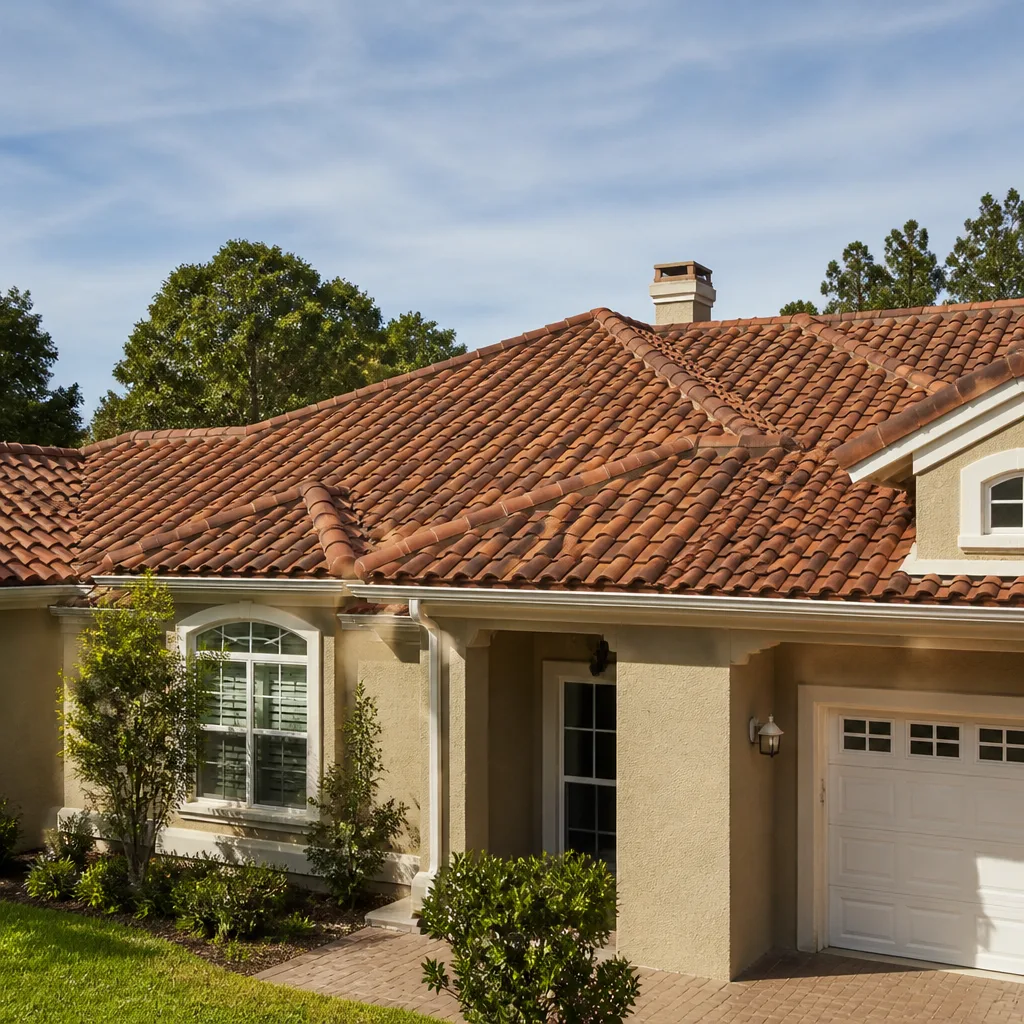 Tile roofing
 GAF
 Owens Corning
 Flat & low-slope
Free roof inspection with deck photos before we talk money - GAF and Owens Corning certified installation
Roofing Cost Breakdown: The Buffalo Homeowner’s Reference for 2026
Every roofing price guide you’ve read was probably written for a national audience, which makes it nearly useless for a house in Buffalo. The real difference isn’t the shingles you choose. It’s the layers underneath them, the pitch of your roof, and the way a lake-effect winter tests every seam. A roof in Buffalo has to shed snow, survive freeze-thaw cycles, and hold its seal through wind-driven rain that comes at you sideways. This guide explains what a properly spec’d Buffalo roof actually costs in 2026, why the numbers land where they do, and how to read a quote so you’re not paying for corners being cut on the components that matter most.
Styles & brands we work with
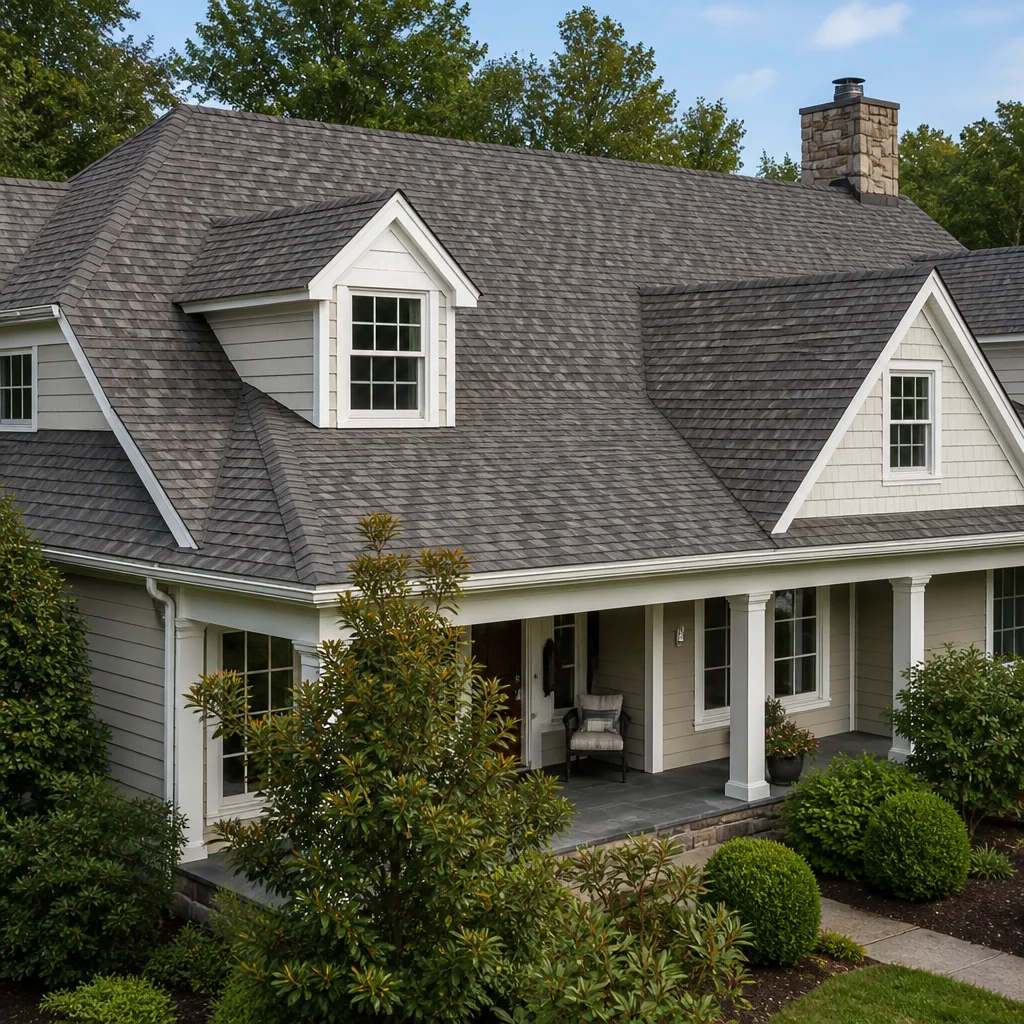
- Architectural shingles
- Metal roofing
- Tile roofing
- GAF
- Owens Corning
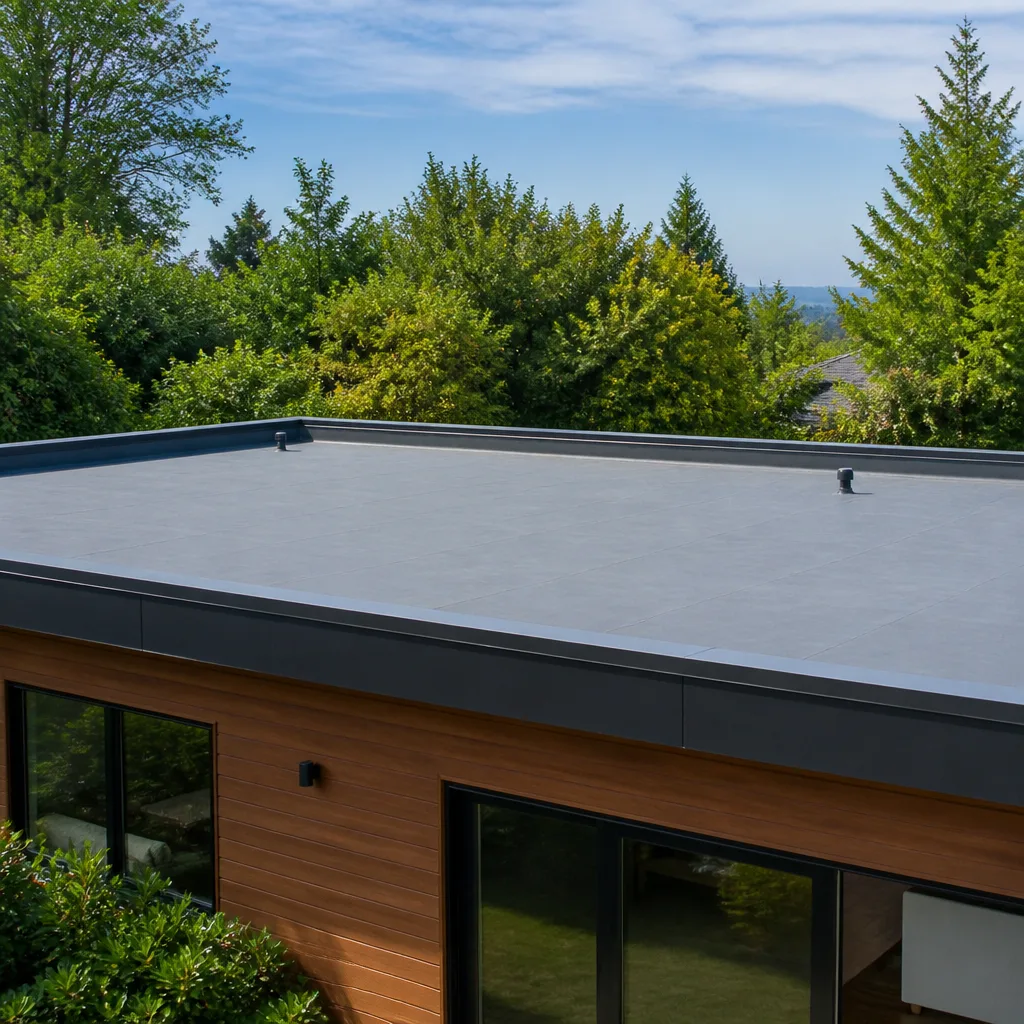
- Flat & low-slope
Quick Answer
A full roof replacement in Buffalo typically runs $550 to $750 per square (100 square feet) for architectural asphalt shingles in 2026, including ice-and-water shield, upgraded underlayment, and proper ventilation. That puts most homes between $11,000 and $22,000 depending on size, pitch, and complexity. National averages run $400 to $550 per square because most of the country doesn’t have to buy the extra weatherproofing layers that Buffalo code and common sense require.
Table of Contents
- Why Buffalo Roofs Cost More Than the National Average
- Line-Item Breakdown of a Buffalo-Spec’d Re-Roof
- How Roof Pitch, Story Height, and Valleys Affect Labor Costs
- Material Cost Comparison: What the Major Brands Actually Deliver
- Hidden Cost Categories Most Quotes Don’t Surface
- How to Read a Quote’s Spec Sheet Like a Roofing Auditor
- Why an Inspection-First Approach Protects Your Budget
- Common Mistakes to Avoid
- When to Call a Professional
- Frequently Asked Questions
- The Bottom Line
Why Buffalo Roofs Cost More Than the National Average
Buffalo’s climate punishes roofs in ways that warmer, drier markets never experience. The freeze-thaw cycle is the big one. Snow melts during the day, water seeps into any gap or seam, and then it freezes again at night, expanding and prying at the edges of your shingles. Do that for four or five months straight and a roof that would last 25 years in North Carolina might be done in 18 in Buffalo. That’s the core reason a properly spec’d replacement here costs $550 to $750 per square while the national average hovers at $400 to $550.
The other factor is snow load. Buffalo regularly gets lake-effect snowfall measured in feet, not inches. That weight sits on the roof structure and pushes melting water up under shingle laps. The waterproofing layer has to be better than code minimum or you’re scheduling repairs in March. We look before we quote at Tidewater Roof Repair, and what the inspection usually reveals is that the failure point was in the underlayment or flashing, not the shingle itself.
Code requirements in Erie County also drive costs. Ice-and-water shield has to extend further up the roof plane than it does in most of the country, and ventilation has to be sized for attic spaces that run hot in summer and freezing in winter. All of that is material cost on the front end, and it’s the difference between a roof that holds against what comes next and one that starts leaking the first time a warm front follows a hard freeze.
Line-Item Breakdown of a Buffalo-Spec’d Re-Roof
When you get a quote in Buffalo, the line items matter more than the bottom number. Here’s what a properly spec’d job should include, with typical 2026 ranges for the Buffalo market.
Material and Labor Components
- Tear-off and disposal: $80 – $120 per square. This covers removing old shingles, hauling them away, and landfill or transfer station fees. Older Buffalo homes often have multiple layers of old roofing, which pushes this number up.
- Ice-and-water shield: $65 – $110 per square of coverage. In Buffalo, this self-healing membrane should run from the eave edge up at least 3 feet past the interior wall line, and into every valley. This is the single most important waterproofing layer on your roof.
- Synthetic underlayment: $25 – $45 per square. The old felt paper is mostly gone from quality jobs. Synthetic underlayment holds up to wind and doesn’t tear as easily during installation.
- Architectural asphalt shingles: $180 – $280 per square. This is material only, for mid-range to premium laminated shingles. The price varies by brand and weight class.
- Labor: $200 – $350 per square. Buffalo labor rates reflect the difficulty of working on steep pitches and the care required to detail valleys, chimneys, and sidewalls correctly in a wet climate.
- Flashing and metal work: $400 – $1,200 total. This includes drip edge, step flashing, pipe boots, chimney flashing, and any custom counterflashing. Skimping here is a shortcut that shows up as a leak within two years.
- Ventilation components: $300 – $700 total. Ridge vents, soffit vents, and possibly baffles to keep airflow moving through the attic. A roof that can’t breathe rots from the inside.
- Permits and inspections: $150 – $400. Most Buffalo-area municipalities require a re-roof permit and a final inspection.
Add those up for a typical 1,800-square-foot ranch in Buffalo and you’re looking at a total between $13,000 and $18,000. A bigger colonial with steep pitches and complicated valleys could run $20,000 to $25,000.
How Roof Pitch, Story Height, and Valleys Affect Labor Costs
Roofers charge for difficulty, not just square footage. In Buffalo, that means your quote will be shaped by three structural factors that have nothing to do with the shingle brand.
Roof Pitch
Anything steeper than a 6/12 pitch pushes labor costs up. A 10/12 or 12/12 roof requires staging, toe boards, and safety harness setups that take time to install and remove. Steep roofs are common on older Buffalo housing stock, especially the Victorians and foursquares in neighborhoods like Allentown and the West Side. The steeper the pitch, the slower the crew moves, and the more the labor number climbs.
Story Height
A second story adds cost for a reason most people don’t expect. Crews in Buffalo are already handling materials in cold, slick conditions for a good part of the year. Hauling bundles of shingles up a ladder to a second-story roof deck is slower and riskier than loading a ranch roof. The labor premium for a two-story home can run 10 to 20 percent higher than a single-story job with the same square footage.
Valleys and Dormers
Every valley is a point where two roof planes meet and where water concentrates during a storm. Cut valleys wrong and you get a leak. Flash them wrong and you get a leak. Detail them correctly and you’ve added labor hours. Homes in Buffalo with multiple dormers, hips, and intersecting roof lines will carry a labor premium that a simple gable roof won’t. This is legitimate cost, not padding. Our roof repair work usually finds valley detailing as the site of the original failure.
Material Cost Comparison: What the Major Brands Actually Deliver
Tidewater Roof Repair works with seven major roofing manufacturers, including Owens Corning, IKO, Atlas, and Tamko, among others. That matters to a homeowner because it means material recommendations are driven by your roof’s conditions and your budget, not by a single supplier contract.
The price differences between brands fall into two buckets: real performance differences and marketing costs. A mid-range architectural shingle from IKO or Atlas will perform similarly in most Buffalo conditions to a mid-range shingle from Owens Corning. The differences become real at the top of each brand’s line, where heavier shingles, better granule adhesion, and stronger sealants justify the price.
What you’re paying for when you move up a shingle line is usually wind resistance and impact rating. In Buffalo, wind is the bigger issue. Lake winds hit rooflines with gusts that lift shingle tabs and break the sealant strip. A shingle rated for 110-mile-per-hour winds may carry a premium over a 90-mile-per-hour shingle, but for a house on an exposed street in South Buffalo, that premium is insurance against callbacks. Where the delta isn’t justified is when a brand charges more for the same weight class and the same wind rating with only cosmetic differences in color texture.
We don’t recommend a brand because it’s what we stock. Seven leading brands, one honest assessment. We recommend a shingle because it matches what your roof has to survive. That’s the advantage of multi-brand access.
Hidden Cost Categories Most Quotes Don’t Surface
A low quote often wins on paper because it leaves out items that a complete quote includes. Here are the categories a thorough Buffalo roofing estimate should address, and what happens when they’re missing.
- Decking replacement contingency. Old Buffalo roofs often hide rotted decking under the shingles, especially near eaves and in valleys where ice dams formed. A quality quote includes a per-sheet replacement price for any decking that needs to come out once the old roof is off. A quote without it means you’ll get a surprise change order.
- Disposal fees. Tearing off two layers of old shingles produces a lot of material, and Buffalo transfer stations charge by weight. The quote should show a disposal line item, not bury it in “miscellaneous.”
- Permit costs. Most municipalities in Erie County require a roofing permit. A contractor who tells you they’ll skip the permit to save money is asking you to accept un-inspected work on the most weather-exposed part of your home.
- Flashing material upgrades. Basic galvanized flashing is cheap. Copper or powder-coated aluminum costs more but lasts far longer in a freeze-thaw environment. If your quote just says “flashing” without specifying the material, ask what’s included.
- Chimney and skylight detailing. Every penetration through the roof is a place where ice and water can force a leak. Re-flashing a chimney properly takes hours. A quote that doesn’t mention it either plans to reuse old flashing or hopes you won’t notice when they do.
- Ventilation correction. If your attic has been overheating or trapping moisture, a new roof should also fix the ventilation. Adding ridge vents, reconfiguring soffit vents, and installing baffles is real cost that often gets skipped on low bids.
How to Read a Quote’s Spec Sheet Like a Roofing Auditor
You don’t need to be a roofer to evaluate a quote. You need to know which line items reveal whether the bid reflects efficiency or under-specification. Here’s what to check.
- Ice-and-water shield coverage. The quote should say how far up the eaves and valleys the membrane extends. “Per code” is the minimum. In Buffalo, a quality quote will state a specific distance, typically 3 to 6 feet past the warm wall in all areas with ice damming potential.
- Underlayment type. If it says “felt,” ask why. Synthetic underlayment is standard on quality re-roofs in Buffalo. Felt tears, absorbs water, and doesn’t hold up during installation in windy weather.
- Shingle weight and wind rating. The quote should list the actual shingle brand and model, not just “architectural shingles.” A Tamko Heritage carries different wind ratings than an Atlas Pinnacle. You want the model name so you can verify the spec.
- Fastener schedule. At minimum, the quote should say “hand nailing” rather than “fastening per manufacturer.” Hand nailing with ring-shank nails has better holding power in high winds.
- Existing flashing policy. The quote should state whether existing flashing is being reused or replaced. In Buffalo, a quote that reuses old flashing is a red flag. The freeze-thaw cycle has already stressed it.
- Ventilation work. Look for specific ventilation components: ridge vent, intake vents, and whether the attic ventilation will be balanced. “Proper ventilation” without specifics is a placeholder, not a plan.
A quote from roof replacement specialists should read like a small technical document, not a sales sheet. The more specific it is, the more the contractor is planning for durability rather than speed.
Why an Inspection-First Approach Protects Your Budget
In Buffalo, the most common roofing mistake is paying for a replacement when a targeted repair would have added years to the existing roof. The second most common mistake is the reverse: paying for repairs on a roof that’s structurally done. Both mistakes happen when the contractor goes straight to a quote without a proper inspection.
An inspection is a diagnostic process. We get eyes on the roof deck, check the attic for moisture and ventilation issues, examine the flashing at every penetration, and look at the condition of the underlayment where it’s exposed. That information determines the scope, and the scope determines the price. Three core services, one honest assessment: Roof Inspection, Roof Repair, and Roof Replacement. If the inspection shows the roof has five good years left, the right recommendation is repair, not replacement.
An inspection-first approach also protects you from the other side of the problem. A contractor who quotes a repair without inspecting may miss hidden decking rot that makes the repair pointless. The inspection cost is modest, and it anchors every number that follows it in fact rather than guesswork. We look before we quote because a written estimate should be based on what’s actually up there.
Common Mistakes to Avoid
- Choosing a bid based on the total number alone. A low Buffalo roof quote that omits ice-and-water shield coverage or reuses old flashing is a future leak with a warranty attached. Compare line items before you compare totals.
- Skipping the permit. Unpermitted work saves a few hundred dollars on the front end and can create problems when you sell the home. Buyers and their inspectors ask questions about roof age and permits in Buffalo real estate transactions.
- Accepting a quote without a specified shingle model. “Architectural shingles” covers a wide range of weights and wind ratings. A quote that doesn’t name the model is giving you an unspecified product at a specified price.
- Treating ventilation as optional. A roof that’s sealed tightly without proper attic ventilation will trap moisture and rot from the inside, and you won’t see it until the decking fails.
- Not asking what happens with any existing ice dam damage. Buffalo winters stress eaves and valleys. If the decking at the eaves is compromised, that has to be addressed during the re-roof, not discovered later as a leak.
- Waiting until spring to fix a leak. A small leak in December becomes a bigger leak by March. Getting a tarp and a repair estimate promptly is cheaper than waiting through a Buffalo freeze-thaw season.
When to Call a Professional
Call a professional if you see water stains on a ceiling, shingle granules in the gutters, curling or lifting shingles, or ice dams forming at the eaves. Call if your roof is over 15 years old and you’re planning to sell, because a buyer’s inspector will find what you might not see from the ground. Call if a storm passed through and you suspect wind damage, even if there’s no active leak. Tidewater Roof Repair offers free estimates in Buffalo. Call (866) 389-4577 and we’ll schedule an inspection first, then talk about numbers that reflect what the roof actually needs.
Frequently Asked Questions
A roof replacement in Buffalo typically costs $550 to $750 per square, which translates to $11,000 to $22,000 for most homes depending on size, pitch, and complexity. The final number depends on the specific line items in the quote, including ice-and-water shield coverage, underlayment, ventilation, and flashing work. Call (866) 389-4577 for a free estimate tailored to your roof.
Buffalo roofing costs run above national averages because of the freeze-thaw cycle, lake-effect snow, and the need for ice-and-water shield, heavier underlayment, and ventilation that stands up to a wet, windy climate. Labor costs also reflect the difficulty of working on steep, two-story homes in winter conditions.
It should only change if the work scope changes, such as discovering rotted decking after the old roof is removed. A quality Buffalo roofing quote includes a per-sheet price for decking replacement so you know the cost before it happens. Without that contingency in writing, a change order is a surprise. We write line-item quotes so the estimate you’re given is the number you plan around.
Most municipalities in the Buffalo area require a permit for a roof replacement and a final inspection once the work is done. A contractor who suggests skipping the permit is asking you to accept work that hasn’t been verified by a building official. The permit line item is a normal part of a Buffalo roofing estimate.
That answer depends on the condition of the roof decking, the age and state of the shingles, and the health of the flashing and underlayment. An inspection is the only way to know. Sometimes a targeted repair extends the roof’s life by years. Sometimes replacement is the only responsible course. Repair when repair is right, replace only when it’s necessary.
Most residential roof replacements in Buffalo take between two and five working days, depending on the size and complexity of the roof and the weather. Steep pitches and multiple valleys extend the timeline. The job should be scheduled for a stretch of reasonable weather, because underlayment and shingles need to seal properly to do their job.
The Bottom Line
Buffalo roofing costs aren’t inflated numbers from contractors with overhead to cover. They’re the price of building a roof that holds against lake-effect snow, freeze-thaw cycles, and wind-driven rain. The difference between a $450-per-square roof and a $650-per-square roof is usually in the layers you can’t see: the ice-and-water shield, the underlayment, the ventilation, the flashing. A quote that surfaces those line items is a plan for a roof that lasts. A quote that hides them is a plan for a roof that leaks. Get an inspection, read the spec sheet, and call (866) 389-4577 for a free estimate on a roof sealed against the season.
Written by the team at Tidewater Roof Repair, serving Buffalo since 2011.
See the difference
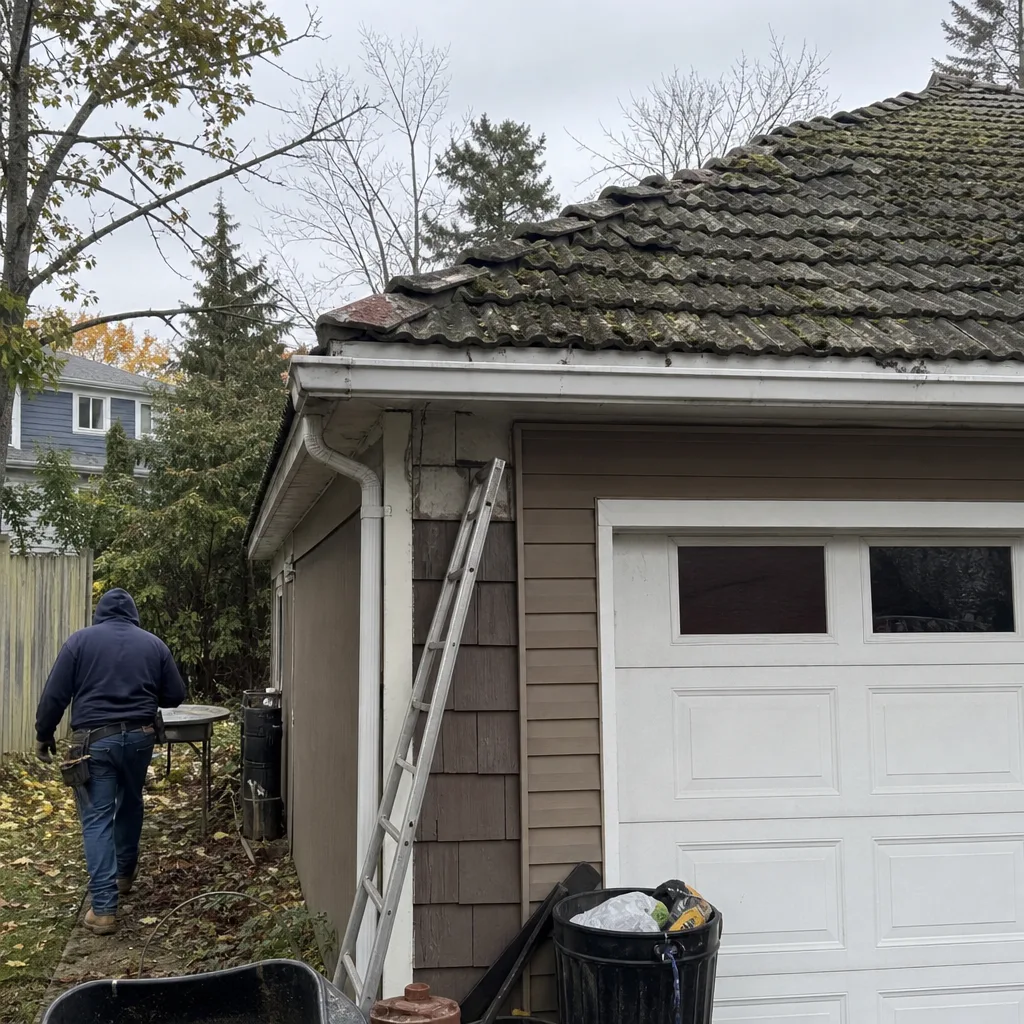 Before
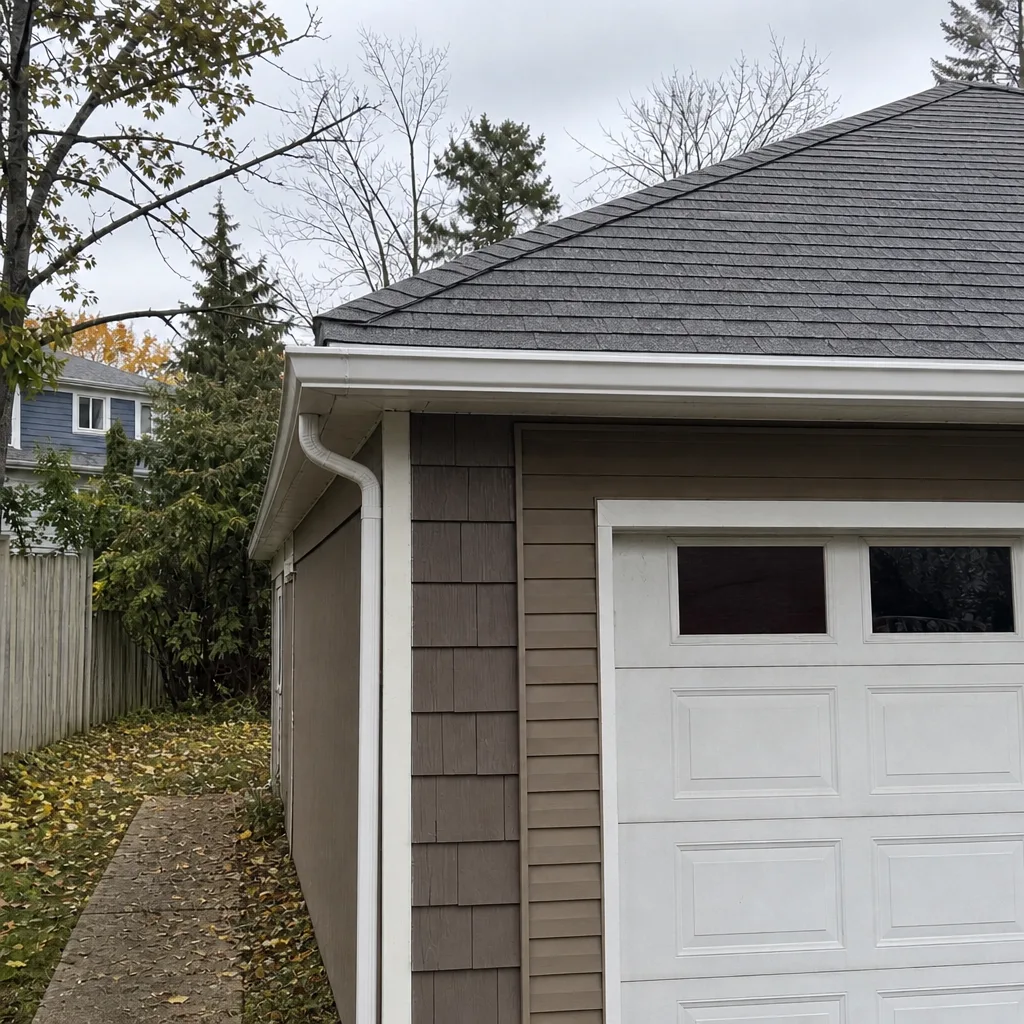 After
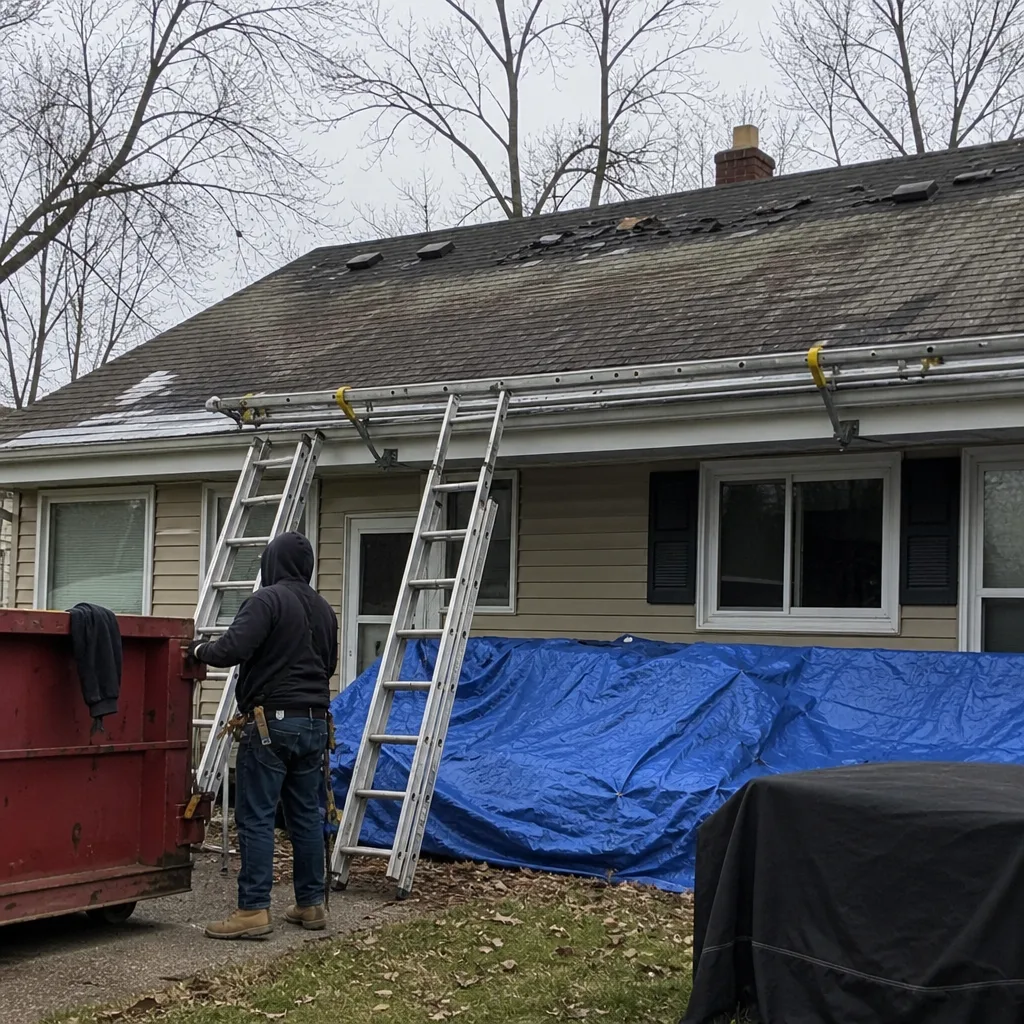 Before
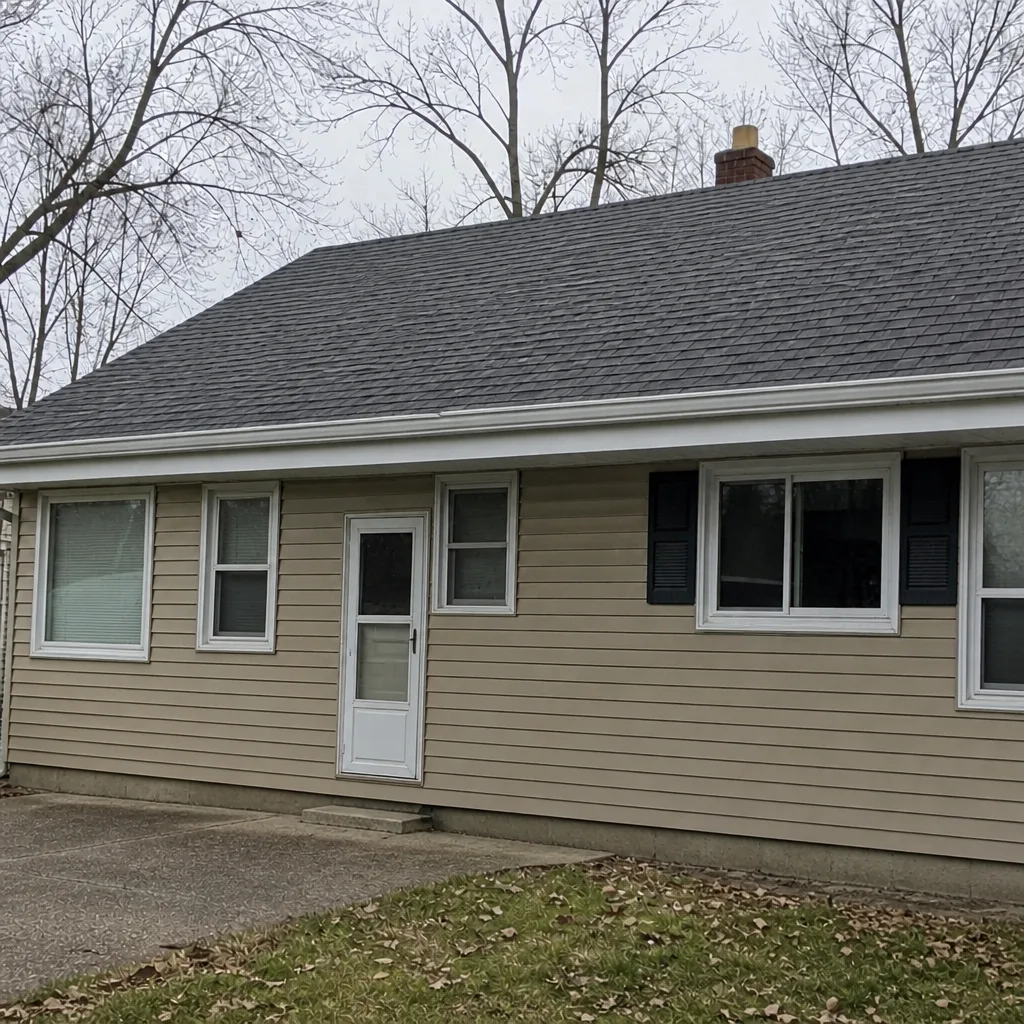 After
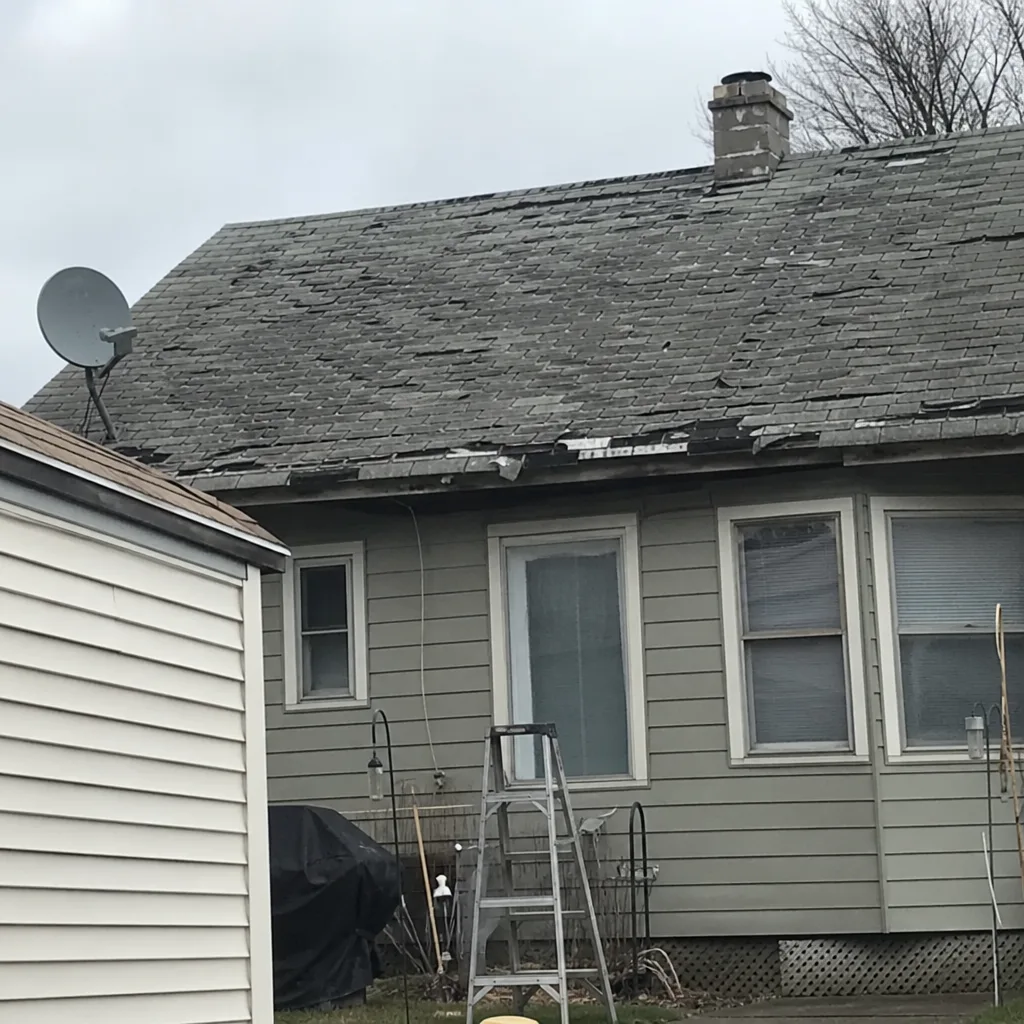 Before
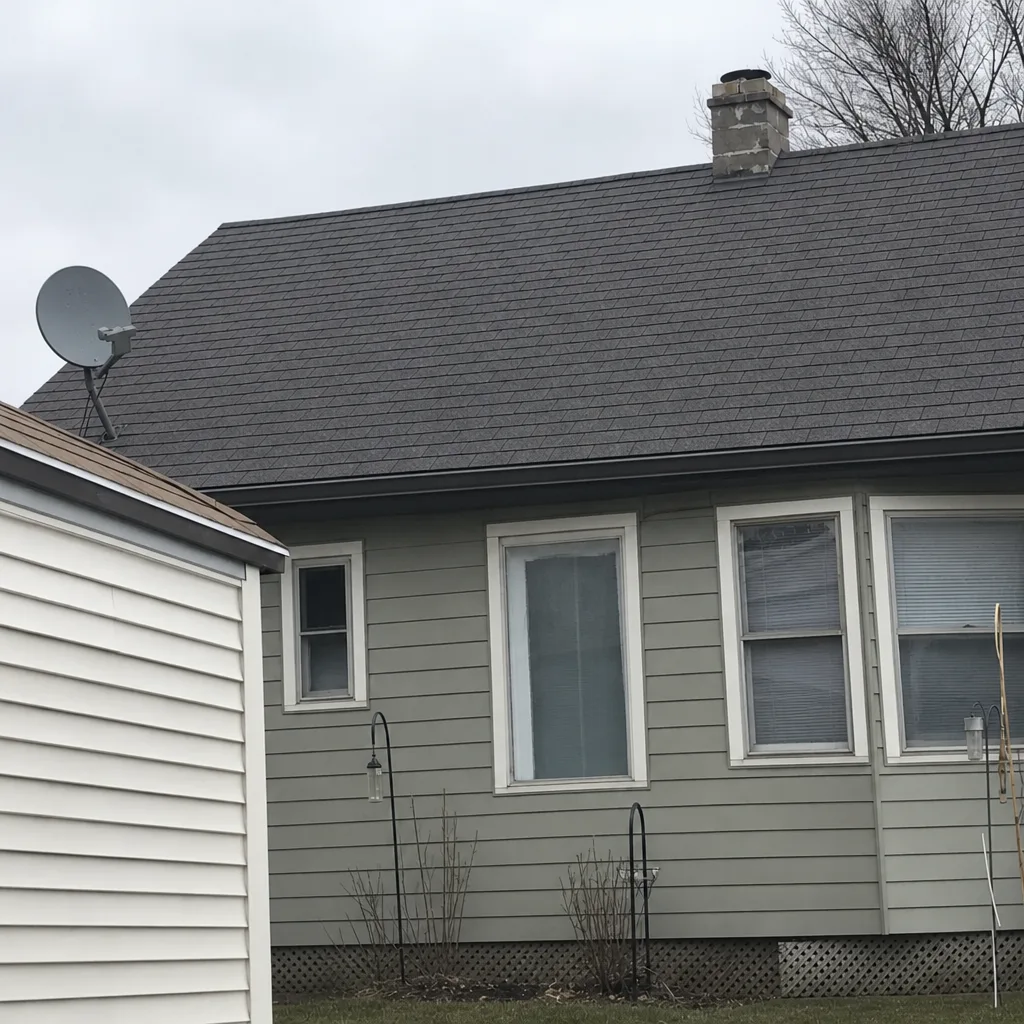 After