
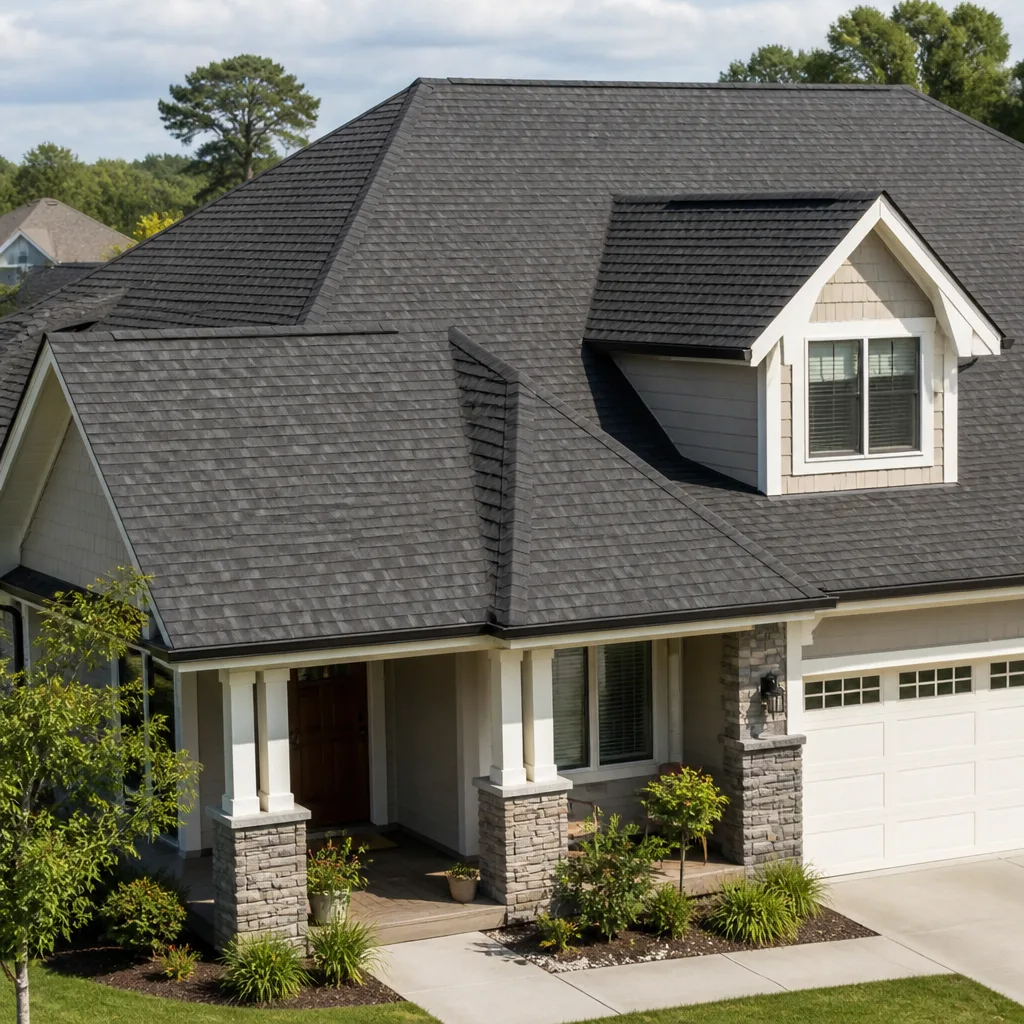
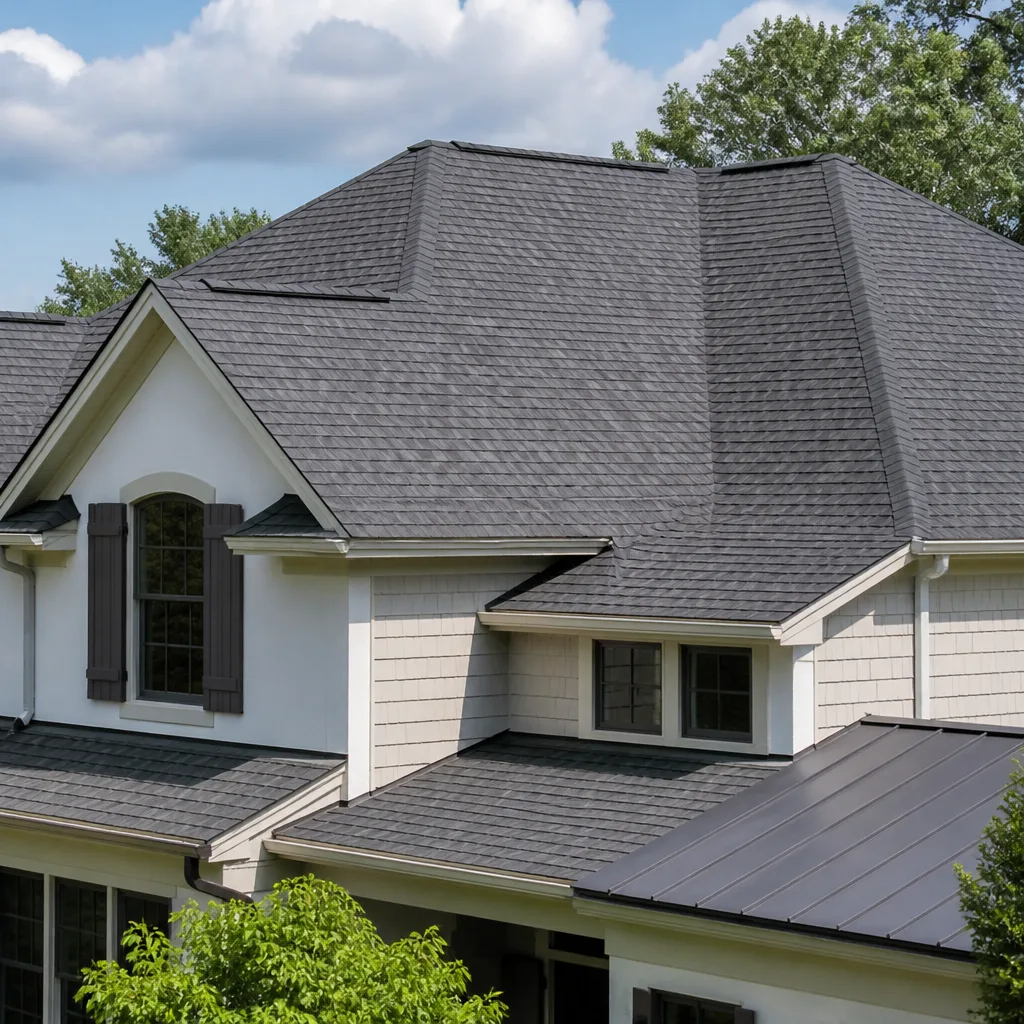
 Architectural shingles
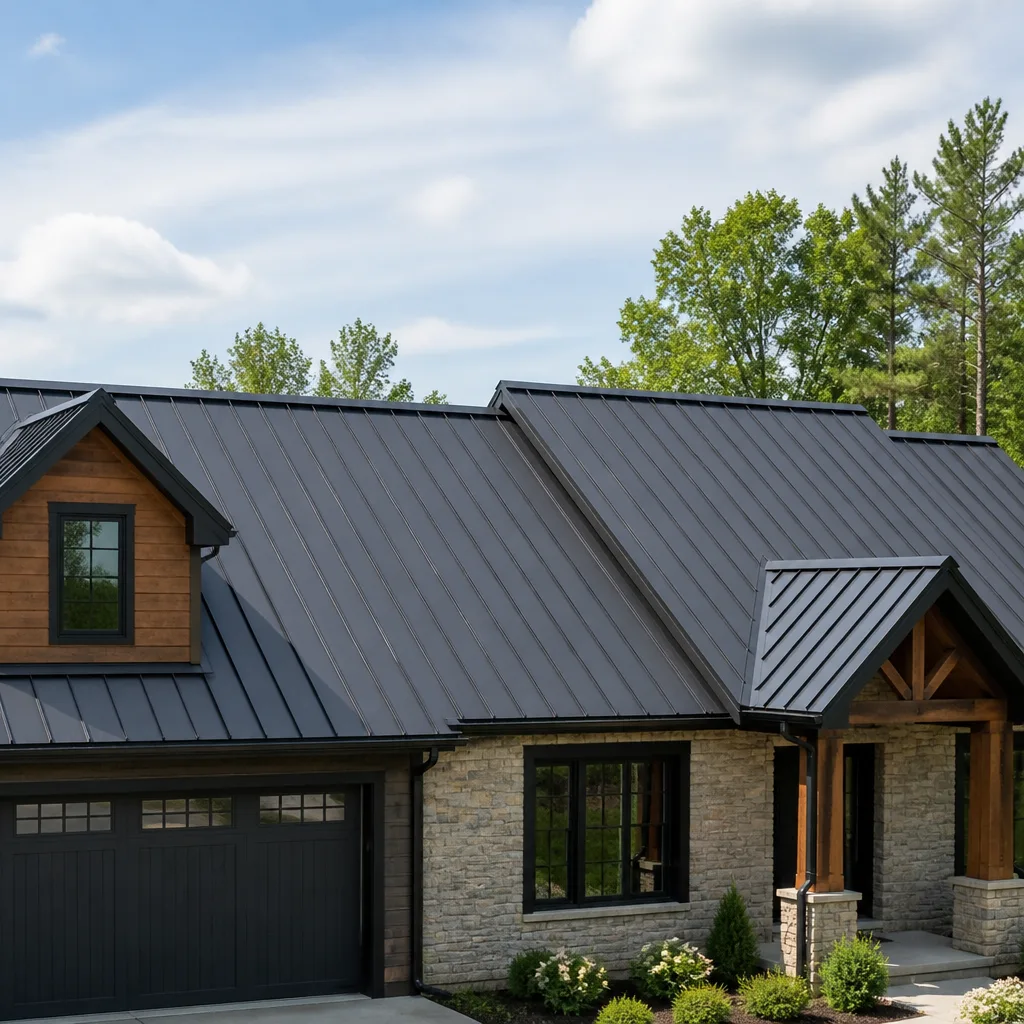 Metal roofing
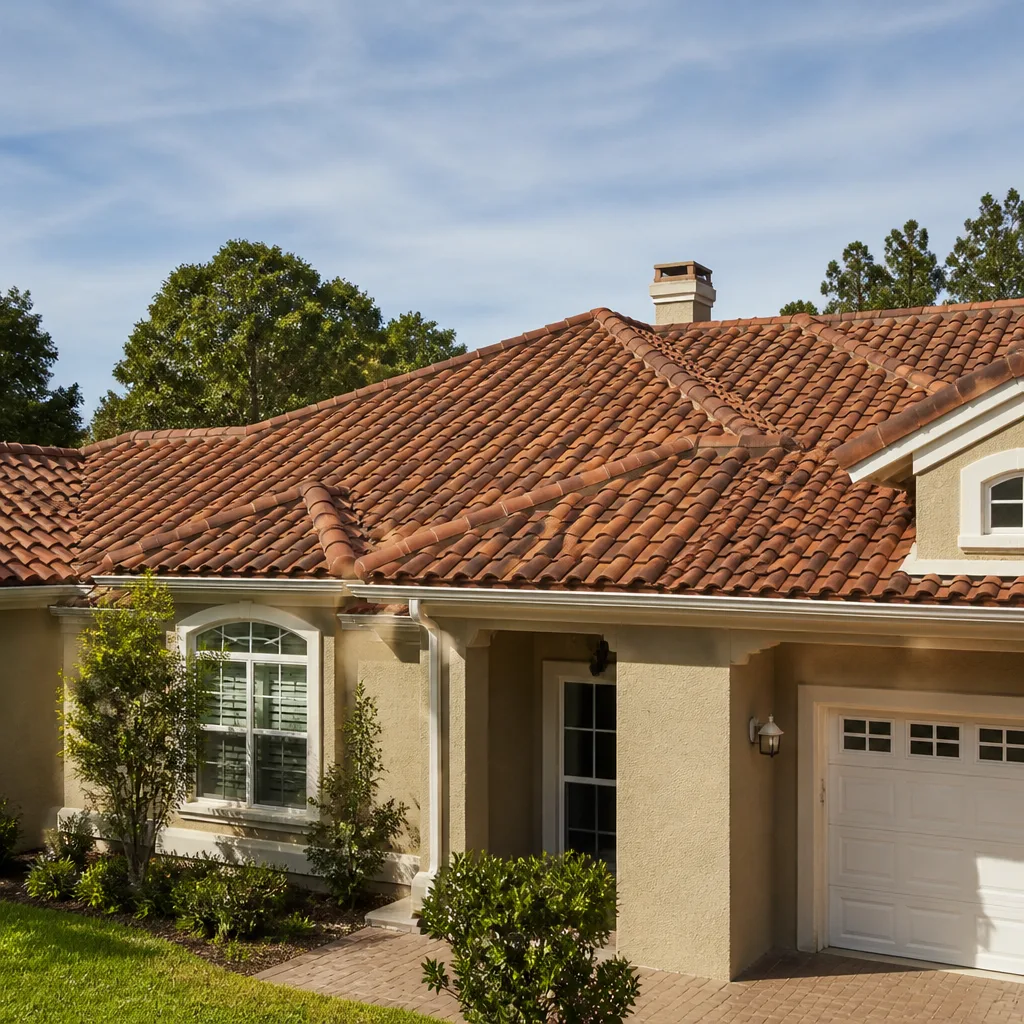 Tile roofing
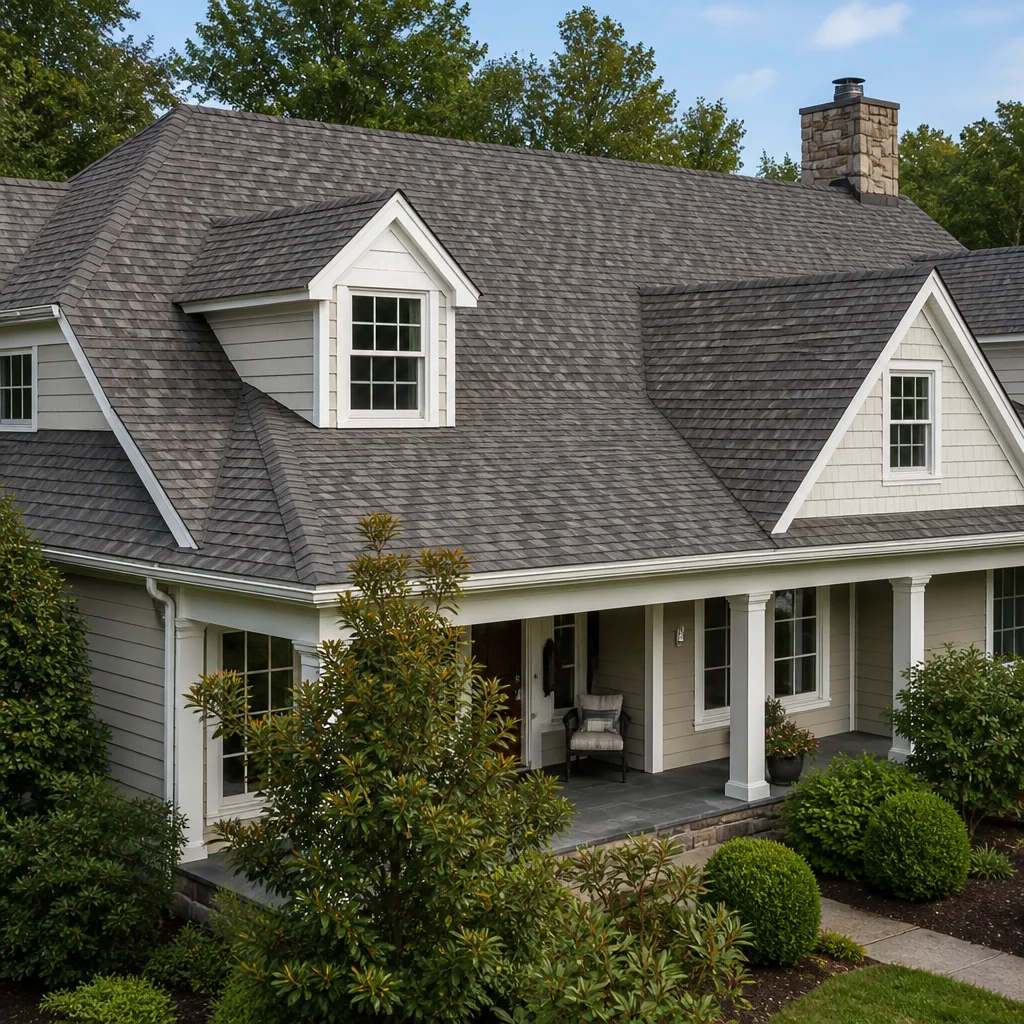
 GAF
 Owens Corning
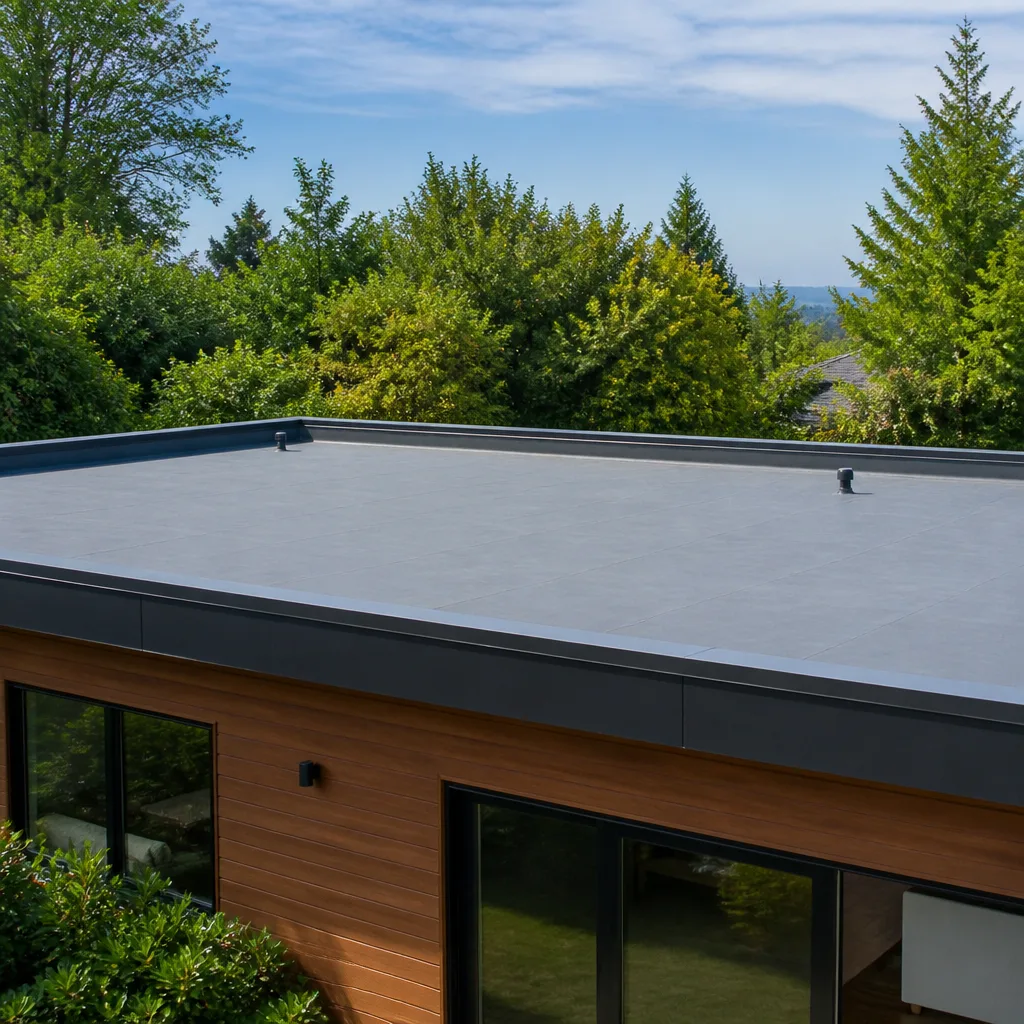 Flat & low-slope
Free roof inspection with deck photos before we talk money - GAF and Owens Corning certified installation
Fast, Reliable Roof Repair Across University at Buffalo
Roof repair in University at Buffalo usually costs between $350 and $1,800 depending on the problem, and most jobs we handle are diagnosed and quoted the same day we look at them. We work throughout the neighborhoods around both the North and South Campus because that’s where the housing stock is oldest, the lots are tightest, and the lake-effect weather hits hardest. If you’ve got a stain on the ceiling, a missing shingle, or ice damming at the eaves, call us at (866) 389-4577 and we’ll come look before we quote.
We’re a full-spectrum roofing contractor, which means we inspect first, repair when repair is right, and replace only when it’s necessary. That sequence matters in a place like University at Buffalo, where so many homes near South Campus still carry original slate or early wood-shingle roofs that deserve preservation, not demolition. You’re not forced into a replacement pitch when the actual fix is flashing, underlayment, and patience.
Why University at Buffalo Homeowners Call Tidewater Roof Repair for Roof Repair
University at Buffalo homeowners call us because we understand what lake-effect snow and freeze-thaw cycling do to a roof. We know the older two-story frame homes off Main Street and Bailey Avenue, the split-levels from the 1960s and 70s, and the apartment buildings with flat roofs that leak after a heavy January snow. That local familiarity means we’re not learning your neighborhood on your dime.
Roland Vukovic set the tone for this company around one principle: look before you quote. That means an inspection is a diagnostic, not a sales appointment. We’ll tell you what’s failing, what can wait, and what the repair sequence should be, then put a written number on it. No pressure, no inflated scope, no jump straight to replacement.
Because we work with seven roofing material manufacturers (GAF, CertainTeed, Owens Corning, IKO, Atlas, Tamko, and Boral), we’re not locked into recommending whatever one brand happens to make. If your South Campus slate roof needs a specific underlayment paired with matched slates, we can source it. If your flat roof needs a particular membrane system, we’ll match the product to the roof’s exposure and your budget. Seven leading brands, one honest assessment.
Styles & brands we work with
- Architectural shingles
- Metal roofing
- Tile roofing
- GAF
- Owens Corning
- Flat & low-slope
Shingle Roof Repair in University at Buffalo
Shingle roof repair in University at Buffalo usually addresses wind-lifted tabs, cracked or missing asphalt shingles, and nail pops that follow the freeze-thaw swings we get from November through March. Many of the 1960s and 70s split-levels in this area are reaching the point where the original shingle layer has thinned, and small failures become active leaks quickly. A typical shingle repair here runs $350 to $900, depending on how many shingles need to come off and whether the underlayment beneath them is still sound.
The difference between a shingle patch that holds and one that fails again is what’s underneath it. On older University at Buffalo homes, we often find the underlayment has dried out or torn, which means the repair has to go deeper than the visible shingle. We inspect before we quote so that number reflects the actual working fix, not a guess.
Valley and Vent Boot Repairs
Valleys concentrate water, and on steep-pitch early-1900s homes those are the first places to fail. Repair work here typically runs $400 to $1,100, including new valley lining and ice-and-water shield. Vent boots, the rubber collars around plumbing stacks, dry out and split in University at Buffalo’s cold winters, and replacing one usually costs $250 to $450.
Matching Shingles on Older Homes
When we patch shingles on a home where the original roof is still in service, we match the color and profile as closely as the current market allows. CertainTeed, Owens Corning, IKO, and Atlas all produce lines we can use for blends that don’t scream “patch job.” If the existing shingle is discontinued, we’ll show you the closest options before we start, so there are no surprises when you see the finished work.
Storm Damage Roof Repair in University at Buffalo
Storm damage roof repair in University at Buffalo is mostly about wind, heavy wet snow, and ice, not hail. Hail is uncommon here. What we see instead are shingles peeled back by strong winter winds off Lake Erie, branches dropped by ice storms, and the slow structural stress of ice dams that lift shingles and tear flashing. Typical storm repairs run $450 to $1,800 depending on the span of damage and whether decking or underlayment was exposed.
After a storm, many homeowners want to know if they have a claim-worthy problem or just cosmetic scuffing. We can work with your insurer, document the condition with photos and measurements, and give you a straight read on what the roof actually needs. The repair can often be handled without a full replacement, and we’ll say so plainly when that’s true.
Ice Dam Damage
Ice dams are the most common storm-related roof failure we handle near campus. Warm air from the attic melts snow at the ridge, water runs to the cold eaves, and it refreezes into a dam that backs water up under the shingles. The repair usually involves shingle and underlayment work at the eave line, plus flashing correction around any penetrations. The fix for the leak itself is often $500 to $1,200, but the real cure is attic ventilation and insulation, which we’ll identify during the inspection.
Flat Roof Patches
Flat roofs on apartment buildings and mid-century homes near campus develop leaks at seams and around penetrations during heavy lake-effect snow. A flat roof patch typically runs $500 to $1,400, and the longevity of that patch depends on cleaning the surrounding surface properly and using a membrane that bonds in cold weather. We stock materials compatible with the flat roof systems already in place around University at Buffalo.
Trusted Brands We Service in University at Buffalo
We’re authorized to install and work with seven major roofing manufacturers, including CertainTeed, Owens Corning, IKO, and Atlas. That roster means we can bring the right material to your University at Buffalo home without the single-brand tunnel vision that limits other contractors. We keep common shingle colors and flat-roof materials stocked for fast turnaround on repairs, and when a job calls for a specialty product matched to an older roof, we know which manufacturer makes it and how fast we can have it on site. You’re not limited to what one brand makes, and your repair doesn’t get delayed while a supplier tries to substitute something close enough.
Common Roof Repair Problems We See in University at Buffalo Homes
- Ice dams at the eaves of South Campus homes. Poor attic insulation and ventilation let heat escape, melt snow at the ridge, and refreeze it at the cold eave line. Water backs up under shingles and finds its way into soffits and walls, especially in the early-1900s two-story frames near Main Street.
- Cracked or missing slates on original roofs. Freeze-thaw cycles split slate tiles, and once moisture reaches the underlayment, the leak spreads beneath the surface before you see it on the ceiling. Matching and replacing individual slates is a repair skill that’s less in demand in newer suburbs but essential in University at Buffalo’s older neighborhoods.
- Deteriorating flashing around flat-roof penetrations. On 1960s and 70s apartment buildings and split-levels, the flashing where vents and pipes pass through flat roof membranes degrades faster than the surrounding roof. Heavy lake-effect snow sits on these penetrations for days, and water follows the first crack it finds.
- Chimney flashing failure on two-story frame homes. The repeated expansion and contraction of brick and metal in University at Buffalo’s freeze-thaw cycles separates the flashing from the chimney stack. The water that gets through is slow and steady, showing up as stains on upper-floor ceilings long after the original breach.
See the difference
 Before
 After
 Before
 After
 Before
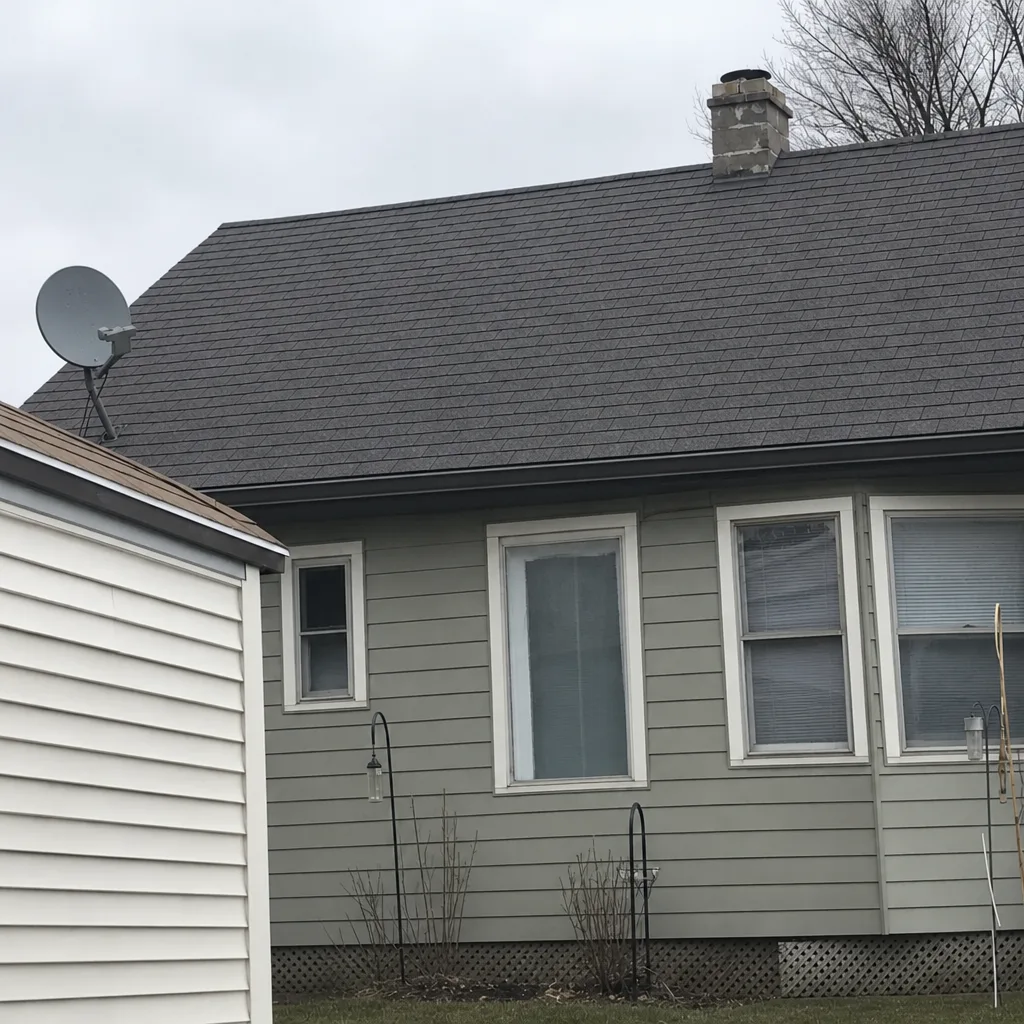 After
Pricing for Roof Repair in University at Buffalo, NY
Roof repair pricing in University at Buffalo runs from about $250 for a simple vent boot replacement to $1,800 for a storm-damaged eave repair that includes shingle, underlayment, and flashing work. Shingle repairs typically land between $350 and $900. Storm and ice dam damage spreads wider, so those jobs run $450 to $1,800. Flat roof patches usually fall between $500 and $1,400. Tight lots, steep slopes, and original slate all push labor time up, and we’ll explain exactly where your estimate lands and why. The written estimate is the final word: no change orders, no surprise add-ons, no pressure to expand scope. Call (866) 389-4577 to schedule a free estimate.
We Also Serve Cities Near University at Buffalo
We handle Roof Repair throughout the neighborhoods around University at Buffalo, and we regularly work in Eggertsville, Williamsville, Cheektowaga, and Kenmore. If you’re just across the city line or a mile from campus, we’ll come out, inspect, and give you a straight written quote. Call (866) 389-4577 and tell us where you are.
Serving University at Buffalo, NY – Our Local Coverage Area
We serve University at Buffalo and nearby communities. Use the map below to see the area we cover. If you’re nearby, we can almost certainly help.
FAQs About Roof Repair in University at Buffalo
Tight lots and shared walls near South Campus affect the quote by limiting access to roofs and by increasing the time it takes to protect adjacent property. Staging often has to happen on the street or in a narrow side yard, ladders go up in tight spaces, and debris removal has to be handled carefully so it doesn’t land on a neighboring lot. We factor access into every University at Buffalo estimate, and we’ll explain what access your specific lot allows. Call (866) 389-4577 for a free estimate at your address.
Yes, we handle ice dam steaming in January for University at Buffalo homes, especially the older two-story frames near South Campus where ice dams are common after heavy lake-effect snow. Steaming removes the dam without damaging shingles, and then we address the roof-level damage and the attic ventilation issue that caused it. This is a service that keeps many local roofs from serious interior water damage through the worst freeze-thaw stretch of winter.
For University at Buffalo’s lake-effect snow and freeze-thaw conditions, we recommend shingles from CertainTeed, Owens Corning, IKO, and Atlas, chosen to match the existing roof and the home’s exposure. The best shingle for your repair is the one that matches what’s already on the roof and holds up to the snow load and thermal cycling we get here. We’ll show you the compatible options from multiple manufacturers so you can make an informed choice, not a brand-limited one.
We handle permits by working with the local building department on your behalf, and we’ll tell you up front whether your repair in a University at Buffalo historic district requires review before work starts. Original slate roofs and early-1900s homes often come with specific material and appearance requirements, and we know how to work within those rules. We pull the permit, do the work to the approved spec, and document everything for the inspection.
A typical slate repair on a South Campus home takes one to two days once materials are matched and on site, though sourcing matching slate can add a few days for older or unusual tiles. The work itself is methodical: removing the broken or missing slates, checking and replacing the underlayment beneath, then fitting the new slate to match the existing pattern and historic look. We’ll give you a clear timeline in the written estimate so you know what to expect before we start.
Understanding the Work Around South Campus and Historic Slate
Roofing work in University at Buffalo is uniquely shaped by the intense lake-effect snow and freeze-thaw cycles that hammer the area, combined with a dense mix of early-20th-century homes and mid-century student rentals near the South Campus. Contractors here must prioritize ice-dam protection, snow-load-rated fasteners, and flat/low-slope roofs for student housing. That’s a different set of demands than you’d see in places like Rochester or Syracuse, where the snow patterns and housing age profile are not the same.
Around South Campus specifically, the high concentration of early-1900s two-story frame homes with original slate roofs means many repairs must integrate new underlayment with existing slate. That’s a skill in matching old and new, not just tearing off and re-covering. We were called to a 1920s two-story frame home near South Campus after a January thaw revealed water stains on the ceiling. Our crew found failed flashing at the chimney and deteriorated underlayment beneath the original slate; we replaced the flashing, installed a new ice and water shield in the valley, and matched the surrounding slate to maintain the historic look. The homeowner was relieved we could repair rather than replace the entire roof.
Working on tight University at Buffalo lots means staging and parking have to be planned before the crew arrives. Shared walls and party-wall conditions mean we notify neighbors before work that touches a shared roofline. Noise and work-hour ordinances matter, and so does keeping a constrained site clean at the end of each day. Access affects the quote: a roof that’s reachable from a driveway is a different job than one that requires street staging and a long ladder carry. We’ll walk the site before we write the number, so the estimate reflects the real conditions at your address.
After a heavy lake-effect snow, the older homes near the South Campus often develop ice dams that force water into soffits and walls. This pattern is so common that local roofers keep standing appointments for ice-dam steaming in January. If you’re seeing stains on upper-floor ceilings or ice building up at the eaves, call (866) 389-4577 and we’ll inspect the roof before the next thaw pushes more water inside.
Written by Roland Vukovic, Owner at Tidewater Roof Repair, serving University at Buffalo since 2011.